美国众议院投票通过《阳光保护法案》以实现永久夏令时US House Votes to Make Daylight Saving Time Permanent
美国众议院于2026年7月14日以308票对117票的投票结果通过了《阳光保护法案》(Sunshine Protection Act),旨在取消每年两次调整时钟的惯例,使夏令时永久化。该法案由佛罗里达州共和党众议员韦恩·布坎南(Vern Buchanan)发起,并得到了唐纳德·特朗普总统的公开支持与游说。尽管该法案在众议院获得了跨党派的支持,但其在参议院的前景仍不明朗,面临着艰难的挑战。根据该法案的规定,如果在联邦法律生效前已实行豁免,各州仍可继续全年使用标准时间,目前夏威夷州和亚利桑那州的大部分地区均采用这一做法。支持者认为,永久实行夏令时有利于人们的睡眠、健康和经济发展,并能增加傍晚的光照时间;然而,反对者(包括农业州议员)则担忧,早晨黑暗时间延长会对农业生产、心理健康、公共安全以及睡眠习惯带来负面影响。
The U.S. House of Representatives voted 308-117 on Tuesday, July 14, 2026, to pass the Sunshine Protection Act, which would eliminate the biannual practice of changing clocks and make daylight saving time permanent. Sponsored by Representative Vern Buchanan, a Republican from Florida, the legislation received public backing and active lobbying from President Donald Trump. While the bill passed the House with bipartisan support, it faces an uncertain future and an uphill battle in the Senate. The measure allows states to observe standard time year-round if an exemption is in effect before the federal law is enacted, as Hawaii and most of Arizona currently do. Proponents of the bill argue that the change would benefit sleep schedules, public health, and the economy by providing more daylight hours in the evening. However, critics, including lawmakers from agricultural states, express concern that extended morning darkness during winter could negatively impact farming, mental health, public safety, and sleep habits.
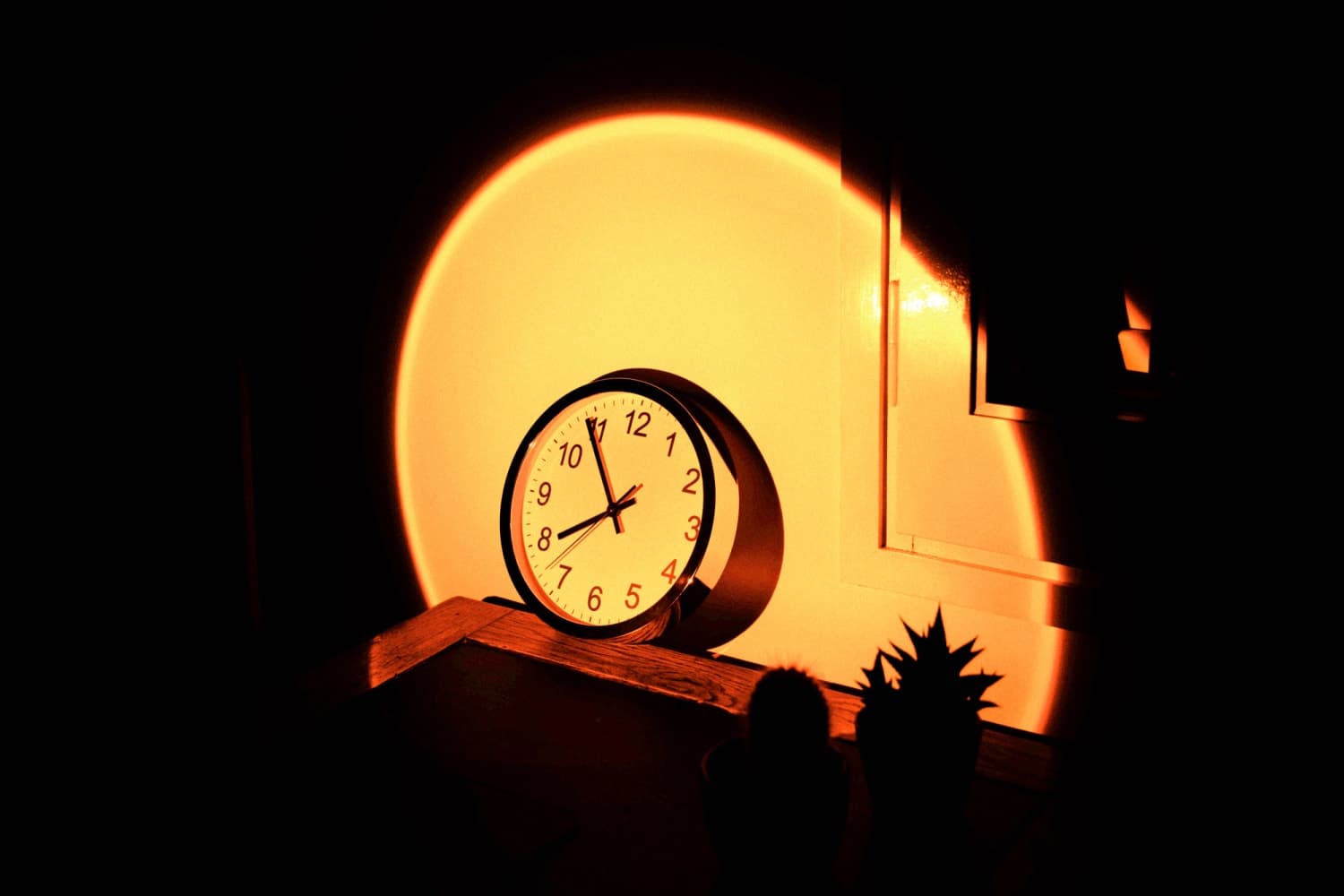
01众议院通过《阳光保护法案》House Passes the Sunshine Protection Act
美国众议院于2026年7月14日星期二通过了《阳光保护法案》,旨在结束全美每年两次调整时钟的惯例。在众议院的最终表决中,该法案以308票赞成、117票反对的结果获得通过。当众议院宣读最终投票结果时,主持投票的田纳西州共和党众议员斯科特·德斯贾拉斯甚至在手机上播放了披头士乐队的经典歌曲《太阳出来了》(Here Comes the Sun)以示庆祝。
The U.S. House of Representatives voted 308-117 on Tuesday, July 14, 2026, to pass the Sunshine Protection Act, a bill aimed at ending the nation's biannual practice of changing clocks. As the final tally was being read on the House floor, Representative Scott DesJarlais, a Republican from Tennessee who presided over the vote, celebrated the moment by playing the Beatles' song "Here Comes the Sun" on his mobile phone.
此次投票结果并未完全按照党派界线划分,两党内部均出现了分歧与跨党派合作。尽管特朗普政府发布了鼓励通过该法案的行政政策声明,但仍有22名共和党议员投下了反对票。与此同时,民主党与共和党的大多数议员则选择联手,共同支持这项旨在将时间永久固定在每年3月至11月所采用的夏令时的法案。
The final vote did not break down strictly along party lines, sowing division within both parties while also bringing House Republicans and Democrats together. Despite a Statement of Administrative Policy from the Trump administration encouraging the enactment of the legislation, 22 Republicans voted against the measure. The majority of lawmakers from both parties, however, united to support the bill, which would permanently lock the nation into the daylight saving time currently observed from March to November.
02特朗普政府与佛罗里达州议员的推动Push from the Trump Administration and Florida Lawmakers
唐纳德·特朗普总统对该法案给予了公开支持与积极游说。2026年5月21日,特朗普在社交媒体Truth Social上发帖表示,他将非常努力地推动《阳光保护法案》签署成为法律。他写道,人们是时候停止为“时钟”感到焦虑了,更不用说每年两次调整时间所耗费的大量工作和资金,并称该法案的通过将是共和党的一次重大胜利。白宫也通过发布行政政策声明,鼓励国会通过该立法。
President Donald Trump has publicly backed and actively lobbied for the legislation. On May 21, Trump wrote on Truth Social that he was going to work very hard to see the Sunshine Protection Act signed into law, stating that it was time for people to stop worrying about the clock and the work and money spent on the twice-yearly production. He also described the bill's potential passage as a very nice win for the Republican Party. The White House further supported the effort by issuing a Statement of Administrative Policy that encouraged Congress to enact the measure.
与此同时,来自佛罗里达州的议员们对该法案进行了大力倡导。由于佛罗里达州的主要经济支柱——旅游业、娱乐业、餐饮业和高尔夫球运动——都将从全年傍晚增加的日照时间中受益,该州议员极力赞扬这项立法。佛罗里达州共和党众议员凯特·卡马克在辩论中质问为何还要继续调整时钟,并强调佛罗里达作为“阳光之州”非常珍视阳光。同为佛罗里达州共和党人的众议员加斯·比利拉基斯也指出,这关乎实用性,法律应当与人民的需求保持同步。
Florida lawmakers strongly advocated for the bill, as the state's primary economic drivers—including tourism, recreation, restaurants, and golfing—stand to benefit from extra hours of evening daylight year-round. During the floor debate, Representative Kat Cammack, a Republican from Florida, questioned why the nation was still changing its clocks, noting that Floridians value sunshine as the Sunshine State. Representative Gus Bilirakis, another Florida Republican, added that the issue is about practicality rather than politics, arguing that laws should keep pace with the people they represent.
03支持与反对阵营的辩论焦点Debate and Differing Perspectives on Permanent Daylight Time
在众议院的辩论中,支持永久夏令时的议员们强调了该法案对公众日常生活的多重益处。新泽西州民主党众议员弗兰克·帕隆表示,他几乎不认识任何还想继续调整时钟的人。该法案的发起人、佛罗里达州共和党众议员韦恩·布坎南也指出,每年两次调整时钟在没有充分理由的情况下打乱了人们的日程安排。支持者认为,将时间固定在夏令时能够改善人们的睡眠习惯,对公众健康和经济发展产生积极影响,并能让美国人在一年四季中享受更长的傍晚日照时间。
During the House debate, proponents of permanent daylight saving time highlighted its numerous benefits for daily life. Democratic Representative Frank Pallone of New Jersey remarked that he did not know anyone who still wanted to change the clock, while the bill's sponsor, Republican Representative Vern Buchanan of Florida, argued that the twice-yearly clock changes disrupt schedules for no good reason. Supporters maintained that making daylight saving time permanent would positively impact sleep schedules, public health, and the economy, while allowing Americans to enjoy more daylight hours in the evening throughout the entire year.
然而,该法案也面临着来自部分议员的强烈反对。来自农业州的议员们对这一调整尤为警惕,他们担心早晨日照时间的推迟会给农民的农业生产带来不便。此外,反对者还指出,在冬季的早晨面临更长时间的黑暗,可能会对人们的心理健康、公共安全以及睡眠习惯产生负面影响。这些相互冲突的观点表明,尽管该法案在众议院获得了通过,但关于时间调整对社会各界实际影响的争论仍在继续。
Conversely, critics of the measure raised significant concerns about the potential consequences of the shift. Lawmakers representing agricultural states expressed strong reservations, particularly regarding how delaying morning daylight would affect farmers. Other opponents warned that extended darkness during winter mornings could lead to negative effects on mental health, public safety, and sleep habits. These conflicting arguments underscore the ongoing debate over how permanent daylight saving time would affect different sectors of society.
04参议院前景与州级豁免条款Senate Outlook and State Exemption Provisions
尽管《阳光保护法案》在众议院获得了跨党派的多数支持,但它在参议院的前景依然充满不确定性,面临着艰难的挑战。参议院是否会通过该法案目前仍不明朗。该法案若想最终成为法律,必须在参议院获得通过并由总统签署。目前,参议院对该立法的态度和未来的表决安排仍有待观察。
Despite the strong bipartisan support that carried the Sunshine Protection Act through the House of Representatives, the legislation now faces an uncertain fate and an uphill battle in the Senate. The prospects of the bill clearing the upper chamber of Congress remain highly unclear, representing a significant legislative hurdle before the measure can be sent to the president's desk to be signed into law.
此外,该法案中包含了一项关于州级豁免的特殊条款。根据该规定,如果在联邦法律正式生效之前,某州已经实行了免于使用夏令时的豁免政策,那么该州将被允许继续全年使用标准时间。目前,夏威夷州以及亚利桑那州的大部分地区已经实行了全年标准时间,这一条款将确保这些地区在联邦新法案生效后,仍能维持其现行的标准时间制度。
The bill also contains a specific provision regarding state-level exemptions from the permanent daylight saving time mandate. Under this clause, the measure would allow individual states to continue observing standard time year-round, provided that an exemption is already in effect before the federal law is officially enacted. This provision directly accommodates jurisdictions like Hawaii and the majority of Arizona, both of which currently opt out of daylight saving time and observe standard time throughout the entire year.