美贸易法院开审新关税合法性诉讼US Court of International Trade Hears Legal Challenge to Trump's New Tariffs
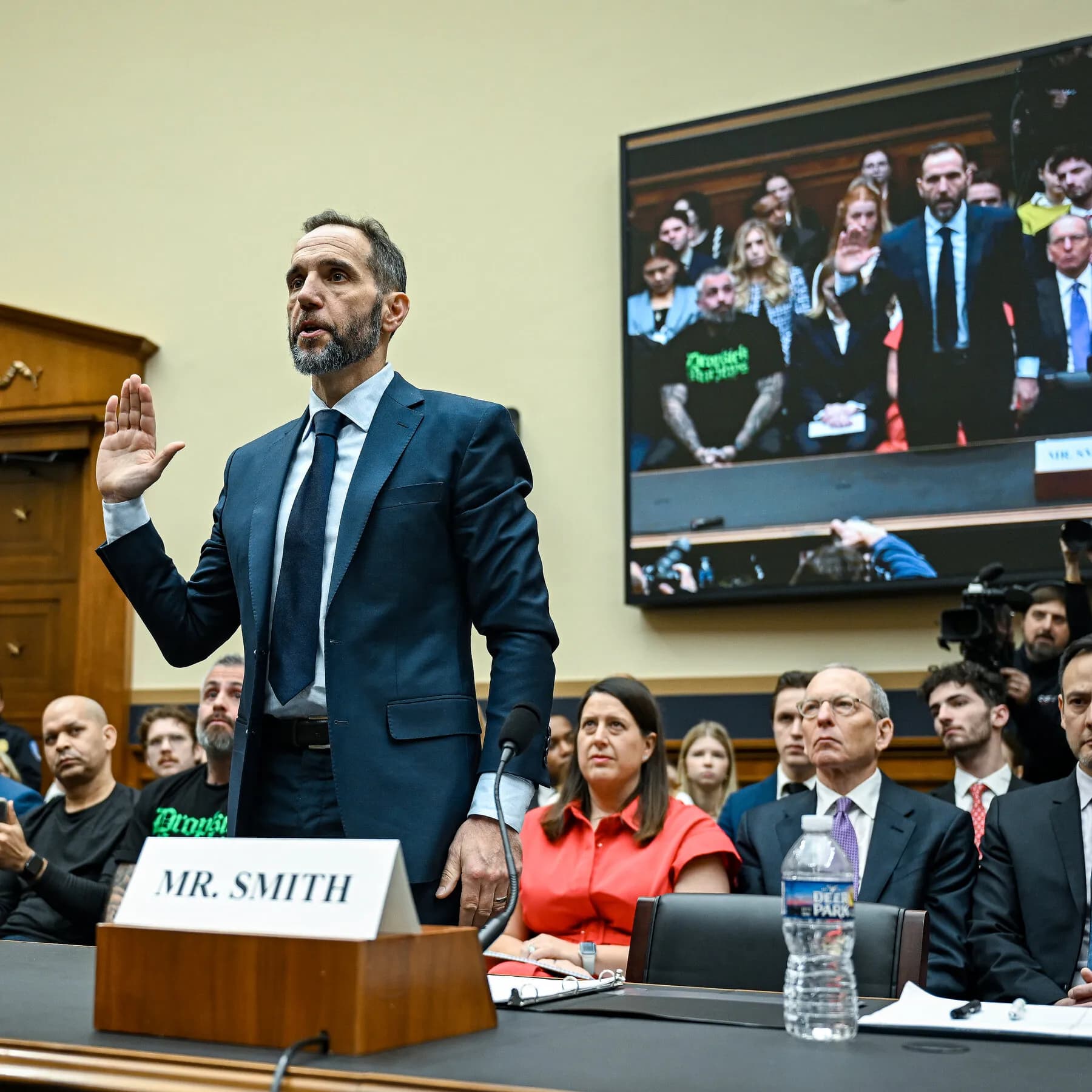
美国国际贸易法院三名法官组成的小组于2026年9月30日开庭,就特朗普政府依据1970年代贸易法301条款对数十个国家加征新关税的合法性诉讼听取辩论。此前最高法院裁定特朗普越权并导致进口商获得1680亿美元退税后,美方自7月下旬起以涉嫌未有效解决强迫劳动问题为由,对包括中国、印度和日本在内的80个国家的商品征收10%至12.5%的关税。提起该诉讼的自由正义中心指控政府以此维持既定的全球关税政策属于滥用贸易法;与此同时,在密尔沃基举行的二十国集团贸易部长会议上,美国的关税举措及针对16个贸易伙伴的产能过剩调查令多边对话陷入僵局,主要贸易伙伴正寻求深化对美以外的经贸投资往来。
A three-judge panel at the US Court of International Trade opened oral arguments on Wednesday, September 30, 2026, in a lawsuit challenging the Trump administration's use of Section 301 of a 1970s trade statute to impose sweeping global duties. The legal fight follows a Supreme Court ruling that invalidated earlier tariffs and triggered $168 billion in refunds for importers, prompting the administration to roll out 10% to 12.5% tariffs on goods from 80 countries—including China, India, and Japan—starting in late July over alleged failures to address forced labor. The Liberty Justice Center, which filed the complaint, argued that officials improperly deployed the statute to maintain a predetermined global tariff policy under the pretext of forced labor concerns. Meanwhile, at the Group of 20 trade ministers meeting in Milwaukee, US tariff measures alongside investigations into 16 trading partners over industrial overcapacity have strained multilateral negotiations, prompting key partners like Canada and the European Union to pursue deeper trade and investment ties outside the United States.
01国际贸易法院开庭审理关税新诉讼Court of International Trade Hears New Tariff Challenge
美国国际贸易法院的三名法官在周三的口头辩论中,重点评估行政部门是否有权依据1970年代制定的贸易法301条款,对进入美国市场的绝大多数进口商品施加普遍性税收。原告自由正义中心作为此前打赢最高法院关税诉讼的公共利益法律机构,在起诉书中主张,政府将301条款作为维持既定全球关税路线的工具,属于对贸易法规的不当使用与法律滥用。
During oral arguments on Wednesday, the three-judge panel at the US Court of International Trade evaluated whether the executive branch possesses legal authority under Section 301 of a 1970s trade statute to levy border taxes on virtually all goods imported into the country. The Liberty Justice Center, the public-interest law organization that previously won the landmark tariff challenge before the Supreme Court, contended in its filing that the administration improperly deployed Section 301 to preserve a predetermined global tariff policy under statutory pretexts.
针对外界对政策出台动机与时间点的质疑,政府官员在关税生效前向媒体表示,此举旨在避免将新税收直接叠加在先前的税率之上以防增加行政复杂性。政府官员强调,总统将持续使用其掌控的所有法定工具来实现既定贸易政策目标。此次听证会标志着联邦政府在不到两年时间内第三次因关税权限出庭抗辩,法官小组可能需要数周至数月时间才会作出正式裁决。
Addressing criticism regarding the timing and motivation behind the measures, administration officials previously stated that aligning the implementation was intended to avoid the complexity of layering new levies over existing border taxes. Officials reiterated that the president will continue utilizing all available executive and statutory instruments to advance trade policy goals. Wednesday's hearing marks the third time in less than two years that the administration has appeared in court to defend its tariff authorities, with a formal panel ruling expected to take weeks or months.
02最高法院判决后的关税政策更替与法律争议Tariff Policy Shift and Legal Disputes After Supreme Court Ruling
在今年早些时候,美国最高法院裁定特朗普越权施加普遍性关税,直接判定此前依据其他法律授权实施的10%税率无效,并触发了向进口商退还1680亿美元关税的程序。随着原有关税措施的失效,白宫随即调整法律策略,自7月下旬起转而依据贸易法301条款建立新一套税率体系。
Earlier in the year, the US Supreme Court ruled that President Trump had overstepped his authority when imposing near-blanket duties under a different legal statute. That landmark judicial decision immediately invalidated the initial 10% tariff regime and triggered $168 billion worth of refunds for affected importers. Following the lapse of those invalidated duties, the White House shifted its statutory strategy, rolling out a restructured tariff system in late July under Section 301.
在这项新计划下,美方认定相关国家涉嫌未能有效处理输美商品生产中的强迫劳动问题。美国贸易代表办公室将征收关税作为补救措施,对包括中国、印度和日本在内的80个国家加征10%至12.5%的关税,并对被列为“最严重违规者”的国家适用更高税率,从而引发了当前关于行政部门是否借由劳工议题规避司法限制的法律争议。
Under this revised framework, the administration determined that targeted trading partners had allegedly failed to address forced labor practices in goods destined for the American market. The US Trade Representative recommended border duties as a remedy, levying rates ranging from 10% to 12.5% on imports from 80 countries—including China, India, and Japan—with higher rates applying to nations designated as the worst offenders, prompting the current legal dispute over the executive branch's use of trade laws.
特朗普新关税政策与法律争议演进Timeline of Trump's Tariff Policy and Legal Challenges
梳理特朗普政府关税政策自最高法院判决受挫、转用新法规征税直至重返法庭的演变过程。
Traces the progression of Trump's tariff policy and legal battles from the Supreme Court ruling to the Court of International Trade hearing.
美国最高法院裁定总统特朗普动用特定法规施加10%近乎全面的关税越权,判令关税立即失效,并触发向进口商退还1680亿美元税款。
The US Supreme Court ruled President Trump overstepped his authority by imposing a 10% near-blanket tariff, invalidating the duties and triggering $168 billion in refunds for importers.
在先前关税失效后,白宫以涉嫌未解决强迫劳动问题为由,依据1970年代贸易法第301条款对中国、印度、日本等80国商品加征10%至12.5%关税。
Following the lapse of invalidated tariffs, the White House rolled out 10% to 12.5% tariffs on 80 countries under Section 301, citing alleged failures to address forced labor.
特朗普签署行政令,宣布自9月29日起禁止进口加拿大酒类、乳制品及摩托车,并自9月15日起对其他加拿大商品加征或调整50%关税。
President Trump issued executive orders banning imports of Canadian alcohol, dairy, and motorcycles effective September 29, alongside 50% tariffs on other Canadian goods from September 15.
美国国际贸易法院合议庭就自由正义中心提起的诉讼举行口头辩论,审查行政部门动用第301条款推行广泛全球关税是否合法。
A three-judge panel at the US Court of International Trade opened oral arguments in a lawsuit by the Liberty Justice Center testing the legality of the Section 301 global tariffs.
03诉讼后续流程与潜在贸易壁垒升级Legal Appeals Process and Expanding US Trade Probes
在国际贸易法院完成口头辩论并作出判决后,诉讼双方均可向美国联邦巡回上诉法院提起上诉。该上诉法院拥有在案件审理期间决定是否暂停执行相关关税的司法权限。法律争议未来可能再次被呈递至联邦最高法院,这意味着整个司法抗辩周期将延续数月时间。
Following oral arguments and any eventual ruling from the Court of International Trade, either party can appeal the decision to the US Court of Appeals for the Federal Circuit. That appellate court retains the authority to determine whether to pause enforcement of the tariff measures while litigation proceeds. The legal dispute could ultimately reach the Supreme Court, potentially extending the court battle for several additional months.
在司法程序持续推进的同时,行政部门正在展开其他贸易限制措施。美国政府当前有多项悬而未决的301条款调查,包括针对16个贸易伙伴工业产能过剩问题的审查,外界普遍预期这些调查将导致更高税率。此外,特朗普援引大萧条时期的贸易法规,对来自加拿大的200亿美元商品征收50%的关税,并对加拿大商品实施了广泛的进口禁令。
While judicial proceedings move forward, the administration continues to advance other trade restrictions. Multiple pending Section 301 investigations remain underway, including probes targeting 16 trading partners over industrial overcapacity that are widely expected to result in higher border taxes. Additionally, President Trump has utilized a Great Depression-era trade statute to levy 50% tariffs on $20 billion worth of Canadian imports alongside widespread import bans on goods from Canada.
04密尔沃基G20贸易部长会遭遇关税阴影Tariffs Loom Over G20 Trade Ministerial in Milwaukee
在密尔沃基举行的为期两天的二十国集团贸易部长会议上,美国的关税政策与产能过剩调查成为各方博弈的焦点。美国贸易代表贾米森·格里尔在周二的圆桌讨论中为华盛顿的立场辩护,表示行政部门并非反对贸易,并称各国在面对全球产能过剩和非市场政策时面临着相似的挑战。然而,美方对欧盟、日本和韩国等主要伙伴展开的产能调查,加剧了多边会谈达成突破的难度。
At the two-day Group of 20 trade ministers meeting in Milwaukee, US tariff actions and capacity investigations became the primary focus of contention among delegations. US Trade Representative Jamieson Greer defended Washington's stance at a Tuesday roundtable, asserting that the administration is not anti-trade and maintaining that nations face shared challenges regarding global overcapacity and non-market policies. However, ongoing US investigations targeting trading partners such as the European Union, Japan, and South Korea have complicated prospects for multilateral breakthroughs during the summit.
面对关税争端与贸易壁垒风险,主要贸易伙伴开始将注意力转向美国以外的市场。随着渥太华与华盛顿之间的贸易摩擦加剧,加拿大国际贸易部长马宁德·西杜重申了对开放、可预测和基于规则的贸易体系的支持。加拿大与欧盟等二十国集团成员计划在会议期间推进对美以外经贸与投资关系的深化,以应对美国贸易政策变动带来的不确定性。
Confronted with growing tariff frictions and regulatory measures, key trading partners have increasingly sought to bolster economic ties outside the United States. Amid escalating trade disputes between Ottawa and Washington, Canadian International Trade Minister Maninder Sidhu underscored his country's commitment to open, predictable, and rules-based trade. Canada, the European Union, and other G20 economies are actively pursuing expanded trade and investment relationships beyond the American market to navigate ongoing uncertainties surrounding US policy.