美夏令时周日结束全美调表 参院搁置永久夏令时法案US Clocks Fall Back as Senate Stalls Permanent Daylight Saving Bill
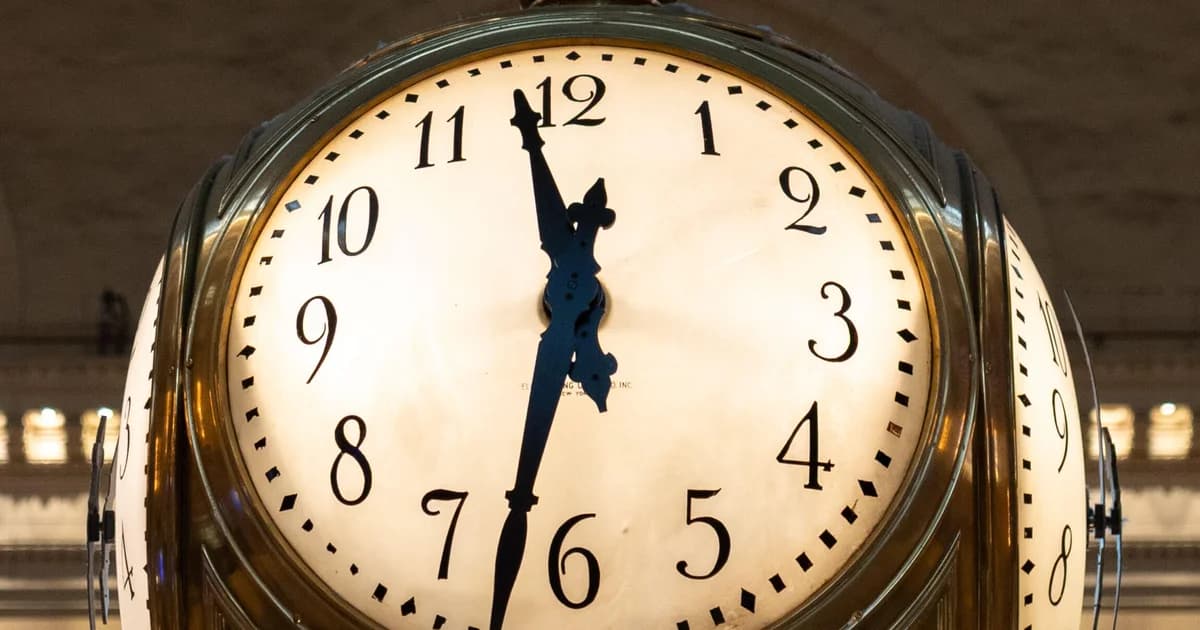
美国大部分地区将于2026年11月1日星期日凌晨2点正式结束夏令时,时钟将回拨一小时进入标准时间,民众在周日清晨将获得额外一小时睡眠。除夏威夷、亚利桑那州大部分地区以及波多黎各、关岛等海外属地保持不变外,全美大部分区域均同步调整时间,新一轮夏令时定于2027年3月14日重启。此次时钟交替发生之际,国会围绕是否永久废除每年两次调时制度的立法博弈陷入停滞。旨在推行常年夏令时的《阳光保护法案》已在众议院通过,但目前在参议院搁置。特朗普总统公开敦促参议院共和党人推进该法案,理由是频繁调时造成经济成本并对犯罪与生活作息产生不利影响;参议员汤姆·科顿等议员以及多位健康与睡眠研究学者则表达反对,指出历史试验证明常年夏令时会导致冬季早晨长期昏暗,不仅引发民众不满,更会增加学生在黑暗中上学的交通与安全隐患。随着新一届国会议员即将在明年1月就职,待审法案正面临失效倒计时。
Daylight saving time officially ends across most of the United States at 2 a.m. local time on Sunday, Nov. 1, 2026, when clocks fall back one hour to standard time, giving Americans an extra hour of sleep. Except for Hawaii, most of Arizona, and overseas territories including Puerto Rico and Guam, jurisdictions nationwide are executing the annual shift, which remains in effect until daylight saving time resumes on March 14, 2027. The clock adjustment comes as federal efforts to end the twice-yearly time change remain stalled on Capitol Hill. The Sunshine Protection Act, which would establish permanent daylight saving time year-round, cleared the House of Representatives but has halted in the Senate. President Donald Trump has publicly pressed Senate Republicans to approve the measure, contending that switching clocks carries heavy economic costs and disrupts daily habits. However, lawmakers such as Sen. Tom Cotton and numerous health and sleep researchers have pushed back, citing historical precedents and warning that permanent daylight saving time creates dangerously dark winter mornings for children traveling to school. With the legislation set to expire when a new Congress convenes in early January, the debate remains unresolved.
01时间转换节点与执行细节Time Change Details and Local Impact
按照现行时制转换机制,各地的时钟在周日凌晨1点59分走完后将直接跳回1点整,从而使这一个小时在夜间重复一次。由于本次调时发生在万圣节过后的深夜,参加化妆舞会的狂欢者将迎来额外的庆祝时间,普通公众也能借此补回春季调时丢失的一小时睡眠,但部分有年幼儿童的家庭则可能面临作息节律被打乱的困扰。在夜间经济管理方面,各地的执法规管并不一致:部分司法辖区允许酒吧按照更新后的冬令时推迟最后点酒时间,而加利福尼亚州的法定规则明确要求,无论凌晨1点是否出现重复计算,酒吧均必须在午夜过后满两小时停止供应酒精饮料。
Under the mechanics of the transition, local clocks tick through 1:59 a.m. on Sunday before instantly jumping backward to 1 a.m., repeating that hour during the overnight period. Because the shift coincides with the hours immediately following Halloween, late-night revelers receive an extra hour of celebrations or additional sleep to recover from festivities, though parents of young children face potential disruptions to their kids' sleep schedules. The duplicated hour also creates varied impacts for late-night venues: while some jurisdictions permit bars to schedule last call based on the updated standard time, regulations in California require establishments to stop serving alcohol two hours past midnight, regardless of the repetition of the 1 a.m. hour.
美国当前这套每年11月第一个星期日回拨时钟的安排始于2007年,源于2005年通过的联邦法律修改,在此之前冬令标准时间一直从10月的最后一个星期日开始。随着时钟拨回,全美各地的日落时间将明显提早,清晨则更早迎来日光。例如在波士顿,周六的日出和日落时间分别为早上7点16分与下午5点39分,而周日回拨时钟后日出将提前至早晨6点17分,日落则提前至下午4点37分。本轮标准时间将持续运转至2027年3月14日凌晨2点,届时时钟将重新拨快一小时,而当年的夏令时则定于2027年11月7日结束。
The current schedule of falling back on the first Sunday of November has been in place since 2007 following a 2005 federal law that shifted the cutoff from the final Sunday of October. The return to standard time brings noticeably earlier sunsets and darker evenings alongside earlier morning daylight. In Boston, for example, the sun rises at 7:16 a.m. and sets at 5:39 p.m. on Saturday, shifting to a 6:17 a.m. sunrise and a 4:37 p.m. sunset on Sunday under standard time. This time arrangement will remain through the late fall and winter until daylight saving time resumes on March 14, 2027, with that subsequent cycle scheduled to conclude on Nov. 7, 2027.
02实施地域差异与免除区域Geographic Scope and Exemptions
在全美绝大多数地区每年两次调整时钟的同时,夏威夷州以及亚利桑那州的大部分地区依法免除遵守夏令时,终年保持单一标准时间。不过,亚利桑那州境内的纳瓦霍族保留地选择同步执行夏令时调整,该部落解释称,此举是为了确保其辖区时间与相邻的新墨西哥州及犹他州境内的部落社区保持一致。此外,根据全美州议会联合会的统计,美属萨摩亚、关岛、北马里亚纳群岛、波多黎各以及美属维尔京群岛等美国海外属地,同样实行常年标准时间,不参与每年时钟的推迟或回拨。
While the vast majority of the United States adjusts clocks twice a year, Hawaii and most of Arizona are legally exempt and remain on standard time year-round. An exception exists within Arizona for the Navajo Nation, which observes daylight saving time so that its territory stays synchronized with reservation communities across the state borders in New Mexico and Utah. In addition, U.S. overseas territories—including American Samoa, Guam, the Northern Mariana Islands, Puerto Rico, and the U.S. Virgin Islands—observe permanent standard time and bypass the biannual clock change entirely, according to data from the National Conference of State Legislatures.
在全球范围内,各国对夏令时的采纳程度存在显著分化。美国海军天文台天文应用部门指出,北半球实施夏令时的国家主要集中在欧洲和北美地区,部分南半球国家也采用夏令时,但因赤道南侧季节相反,其夏令时的开启与结束节点与美国正好颠倒。皮尤研究中心的数据显示,全球目前仅有大约三分之一的国家和地区依然遵守夏令时制度,另有约半数国家曾一度试行夏令时,但在后续政策调整中选择彻底废止。
On the international stage, daylight saving policies diverge considerably across jurisdictions. The Astronomical Applications Department of the U.S. Naval Observatory notes that most Northern Hemisphere nations observing daylight adjustments are concentrated in Europe and North America, while participating Southern Hemisphere countries run on inverted calendars because of opposite seasons below the equator. Global adoption has receded over time: according to the Pew Research Center, only about one-third of all countries currently observe daylight saving time, whereas approximately half of the world's nations utilized the practice at one point before eventually abandoning it.
03立法博弈:《阳光保护法案》的参院僵局Legislative Debate: The Stalled Sunshine Protection Act
尽管过去七年中已有19个州通过法案或决议支持实行常年夏令时,但依据现行联邦法律,各州无法自行设定全年夏令时,必须等待国会修改全国性立法。旨在确立永久夏令时的《阳光保护法案》曾在2022年获参议院批准却未能在众议院取得进展;而该法案的新版本在2025年1月提交众议院后于同年7月获得通过,法案文本同时允许各州在生效前选择彻底退出夏令时。然而,该法案送交参议院后便陷入停滞,面临立法程序阻碍。
While nineteen states have passed bills or resolutions over the last seven years seeking to establish year-round daylight saving time, federal law prevents states from adopting permanent daylight time without congressional action. The Sunshine Protection Act cleared the Senate in 2022 but died in the House, and a reintroduced version introduced in January 2025 successfully passed the House of Representatives in July. The pending legislation includes a provision allowing individual states to opt out of daylight saving time entirely before the measure takes effect nationwide, yet the bill has remained stalled in the Senate.
支持该法案的特朗普总统向参议院施加压力,指责阿肯色州共和党参议员汤姆·科顿阻碍法案,甚至在社交媒体公开了据称是科顿的手机号码,号召公众致电敦促其放行。科顿回应反驳称,美国历史上曾尝试过永久夏令时,但民众在经历冬季极其反常的晚日出后迅速选择放弃。随着周二中期选举选出的新一届国会议员定于明年1月初就职,未获参议院审议通过的该法案将正式失效,届时立法努力若想重启必须从两院重新启动完整表决流程。
President Donald Trump has pressured Senate leadership to advance the measure, publicly accusing fellow Republican Senator Tom Cotton of Arkansas of holding up the bill. Trump posted what he stated was Cotton's cellphone number to social media and urged followers to call the lawmaker, while Cotton pushed back by noting that past congressional experiments with permanent daylight saving time were abandoned once Americans experienced absurdly late sunrises in the winter. Because all pending bills expire when the incoming class of lawmakers elected in Tuesday's midterm elections convenes in early January, failure to pass the Senate will force supporters to restart the legislative process in both chambers from scratch.
美国永久夏令时立法推进脉络Timeline of US Permanent Daylight Saving Legislation
梳理美国永久夏令时从历史实验受挫到近期国会立法博弈的关键节点。
Traces key developments in US permanent daylight saving time efforts, from historical precedents to the current congressional impasse.
1974年能源危机期间尼克松推行全年夏令时,但因冬季晨间昏暗引发多起学生被撞事故及公众反对,国会不满10个月即废止该令。
Amid the 1974 energy crisis, President Nixon enacted year-round daylight saving time, but Congress halted it within 10 months following morning traffic accidents involving students and public outcry.
确立永久夏令时的《阳光保护法案》在参议院获得通过,但随后在众议院未能推进并最终失效。
The Sunshine Protection Act, designed to make daylight saving time permanent, passed the Senate in 2022 but died after failing to advance in the House.
国会议员重新提出《阳光保护法案》,拟在全美推行永久夏令时,并设置条款允许各州在正式生效前选择完全退出。
Lawmakers reintroduced the Sunshine Protection Act, proposing permanent daylight saving time nationwide while including a provision allowing individual states to opt out entirely.
美国众议院以308票对117票的跨党派表决结果通过永久夏令时法案,法案随后送交参议院审议。
The House of Representatives passed the permanent Daylight Saving Time measure in a 308-117 bipartisan vote, sending the legislation to the Senate.
因参议员科顿持续反对致使法案在参院搁置,特朗普在社交平台上公开科顿手机号,呼吁选民致电施压要求其支持法案。
Accusing Senator Tom Cotton of holding up the Sunshine Protection Act, President Donald Trump posted Cotton's cellphone number on Truth Social, urging constituents to pressure him.
在夏令时结束全美准备拨慢时钟之际,法案在参议院依然停滞,且随着新一届国会即将在1月就职,未决法案面临直接失效风险。
As daylight saving time comes to an end nationwide, the bill remains stalled in the Senate and faces expiration when the incoming Congress convenes in early January.
04历史先例与常年夏令时的利弊争论Historical Precedents and Competing Arguments
美国的夏令时立法最早可追溯至1918年通过的《标准时间法》,当时旨在跟随欧洲在第一次世界大战期间节约燃料的举措,但因争议不断而在1919年被迅速废除,转由地方自行决定。第二次世界大战期间,美国于1942年至1945年再度恢复夏令时以削减能源消耗。二战结束后,全美时制重新陷入各自为政的状态,直到国会在1966年出台《统一时间法》统一调时日期并保留免除条款。1974年能源危机爆发后,理查德·尼克松总统曾签署法令推行全国全年夏令时,但在持续不到10个月的时间里招致广泛批评,尤其是晨间长期昏暗导致学生在上学途中被车辆撞倒的事故屡见不鲜,国会最终在尼克松辞职后取消了该项常年调整。
The practice of daylight saving time in the United States traces back to the Standard Time Act of 1918, which followed European efforts to conserve fuel during World War I before lawmakers repealed the contested measure in 1919 and left the decision to localities. The federal government reinstated daylight saving time during World War II from 1942 to 1945 to reduce energy consumption, after which clock policies once again varied until Congress passed the Uniform Time Act in 1966 to standardize dates while preserving exemptions. In 1974, amid the energy crisis, President Richard Nixon implemented year-round daylight saving time, but the experiment was halted before reaching the 10-month mark after the extended morning darkness was widely panned and blamed for incidents involving students struck by vehicles, prompting Congress to reverse the mandate later that year following Nixon's resignation.
这段历史经历直接投射在当下的政策辩论之中。支持常年夏令时的观点指出,部分研究认为增加傍晚日照有助于契合日间作息习惯、压缩夜间非工作时段的犯罪活动,并在一定程度上减少交通事故总数。然而,许多健康与睡眠研究学者对此持明确反对态度,认为与调时带来的作息颠覆相比,常年夏令时在冬季制造的漫长黑夜更加危险,迫使更多学童在漆黑的清晨步行或乘车上学,因而宁愿维持现行的每年两次调时制度,也不赞成将夏令时推行至全年。
Those historical experiments continue to shape modern arguments over time policy. Proponents of permanent daylight saving time point to studies suggesting that more evening light aligns with daytime habits, reduces after-hours crime, and lowers overall traffic accidents. Conversely, many health and sleep researchers strongly oppose permanent daylight saving time, warning that darker winter mornings create significant safety hazards for children walking or driving to school in the dark. Consequently, many sleep specialists prefer the biannual clock adjustment over a permanent daylight system that prolongs morning darkness throughout the winter.