国际海事组织警告伊朗不得在霍尔木兹海峡征收通行费UN Maritime Chief Rejects Iran's Bid to Charge Tolls in Strait of Hormuz
国际海事组织(IMO)负责人阿塞尼奥·多明格斯于2026年4月12日公开表示,伊朗要求对通过霍尔木兹海峡的船只征收通行费的企图是“非法的”,并呼吁国际社会共同拒绝这一要求。这一表态是在接受半岛电视台采访时做出的,正值该地区地缘政治紧张局势升级且脆弱的停火协议面临不确定性之际。霍尔木兹海峡作为全球最重要的石油运输通道之一,其通行权问题已成为多方博弈的焦点。伊朗当局此前提出,即使在战争结束后,他们也拥有对经过该海峡的船只征收费用的权利,这一主张遭到了全球航运监管机构的严厉批评。多明格斯强调,根据国际法,沿岸国家无权在这些关键的国际海峡引入任何形式的工具、支付或收费机制,这种单方面行为将严重破坏现有的国际航运秩序和法律框架。
The head of the International Maritime Organization (IMO), Arsenio Dominguez, stated on April 12, 2026, that Iran’s bid to charge ships tolls for transiting the Strait of Hormuz would be illegal and must be rejected by the international community. Speaking in an interview with Al Jazeera, Dominguez issued this warning as uncertainty hangs over the country’s fragile truce and regional geopolitical tensions escalate. The Strait of Hormuz, a vital artery for global energy supplies, has become a central point of contention in ongoing diplomatic negotiations. Iranian authorities have demanded the right to impose tolls on vessels transiting the waterway, including after the conclusion of current hostilities. Dominguez emphasized that countries do not have the legal right to introduce payments or charges on such international straits, asserting that the global shipping watchdog views any such move as a violation of established maritime norms.
除了通行费争议外,霍尔木兹海峡的开放时间表也是目前外交谈判的主要障碍。美国政府一直强烈要求伊朗立即向所有商业和军事海上交通重新开放该海峡,以确保全球能源供应链的稳定。然而,根据伊朗官员的说法,德黑兰方面拒绝了这一即时要求,坚称只有在签署最终和平协议后,才会考虑全面恢复海峡的正常通行。这种立场上的巨大鸿沟,使得该地区的航运安全前景依然不明朗。目前,霍尔木兹海峡的控制权与伊朗的铀库存问题并列,成为了阻碍全面协议达成的最棘手“钉子”问题。美方视海峡的自由通行为不可逾越的红线,而伊朗则将其视为在更广泛的和平协议中获取筹码的关键工具,这种僵局正持续考验着国际外交的韧性。
Beyond the toll controversy, the timeline for reopening the Strait of Hormuz has become a major diplomatic hurdle. The United States has demanded that Iran immediately restore access for all maritime traffic to ensure the stability of the global energy supply chain. However, according to Iranian officials, Tehran has rejected this demand for immediate reopening, insisting that full access will only be restored after a final peace deal is signed. This significant gap in positions has left the future of maritime security in the region uncertain. Currently, control over the strait stands alongside Iran’s uranium stockpiles as a primary sticking point in negotiations. While Washington views freedom of navigation as a non-negotiable red line, Iran continues to utilize its geographic leverage as a key bargaining chip in broader peace talks, creating a complex deadlock for international mediators.
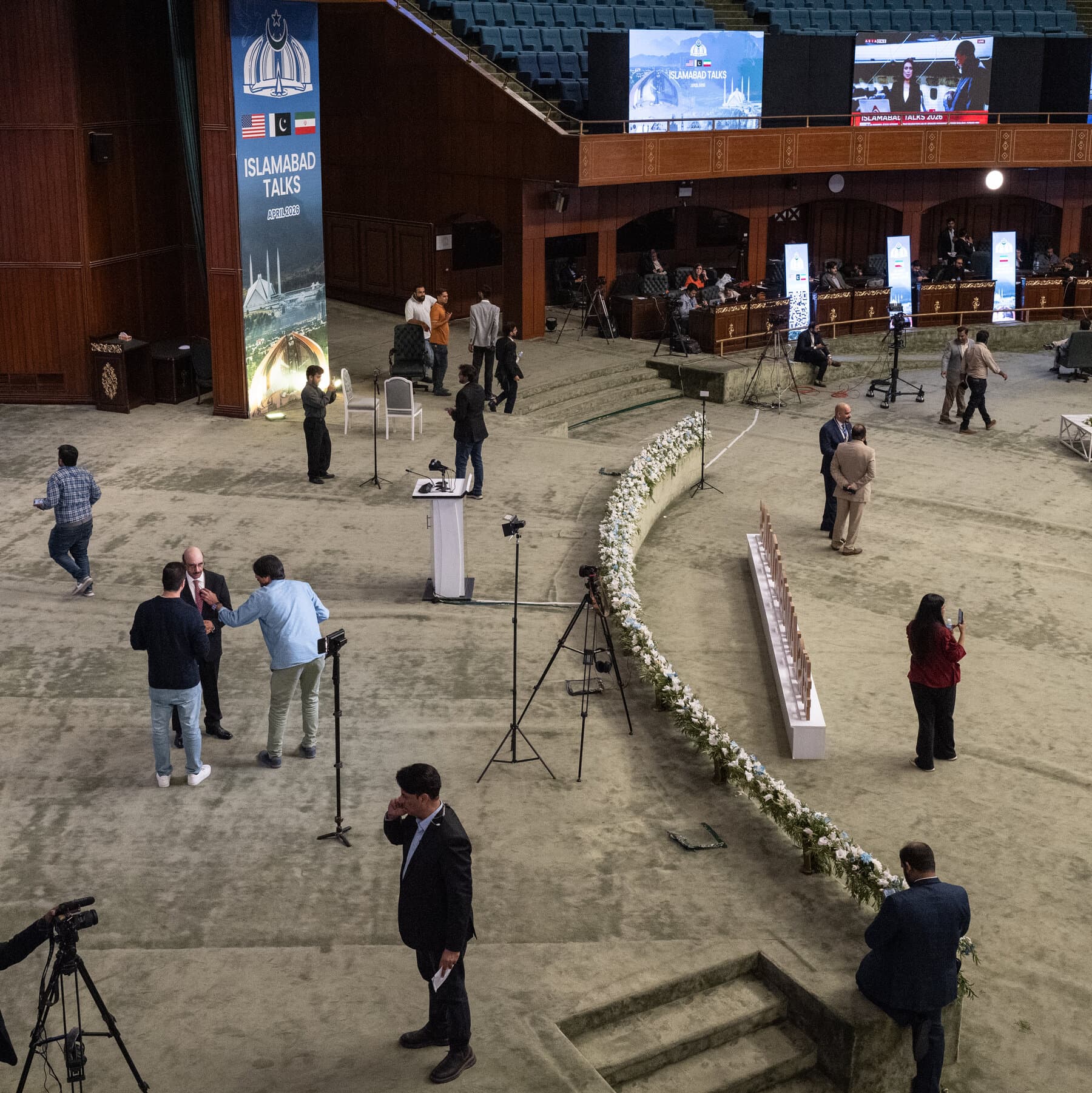
01法律争议与国际监管立场Legal Disputes and International Stance
国际海事组织负责人明确指出,伊朗单方面改变国际水道通行规则的行为缺乏法律依据。根据现行的国际海洋法准则,公海及用于国际航行的海峡应保持通行自由,而不应受到沿岸国家的随意设限或征税。多明格斯在采访中重申,任何国家都无权对这些战略水道强加费用,这种行为不仅违反了国际公约,也威胁到了全球贸易的公平性。他呼吁全球各国政府和航运公司保持一致立场,防止这种破坏国际航运秩序的行为成为先例。
The head of the IMO explicitly pointed out that Iran's unilateral attempt to alter the rules of passage for an international waterway lacks a legal basis. Under current international maritime law, high seas and straits used for international navigation must remain free for passage without arbitrary restrictions or taxation by coastal states. Dominguez reiterated during his interview that no nation has the right to impose charges on these strategic waterways, as such actions violate international conventions and threaten the fairness of global trade. He urged governments and shipping companies to maintain a unified front to prevent this disruption from setting a dangerous precedent.
伊朗要求对通过海峡的船只征收通行费的企图是非法的,国际社会应当予以拒绝。各国无权在这些海峡引入收费或支付机制。
Iran’s bid to charge ships tolls to transit the Strait of Hormuz would be illegal and should be rejected by the international community. Countries do not have the right to introduce tools or payments or charges on these straits.
阿塞尼奥·多明格斯,国际海事组织秘书长Arsenio Dominguez, Secretary-General of the IMO
霍尔木兹海峡危机与通行费争议演变Evolution of the Hormuz Crisis and Transit Fee Dispute
梳理从美伊军事冲突到伊朗提出征收通行费的历史脉络
Traces the progression from US-Iran military conflict to Iran's proposal for transit tolls
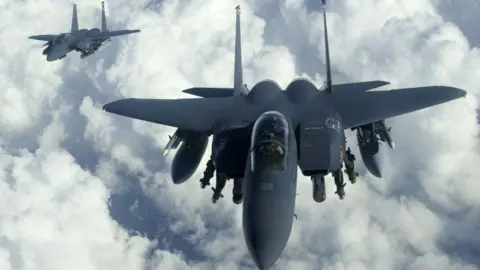
美军一架F-15和一架A-10在霍尔木兹海峡附近遭敌对火力击落,伊朗媒体随后悬赏抓捕失踪飞行员。
A US F-15 and A-10 are downed by hostile fire near the Strait of Hormuz, with Iranian media offering rewards for the capture of missing airmen.
德黑兰宣布伊拉克船只通过霍尔木兹海峡不受限制,以此作为对伊拉克反抗美国的支持。
Tehran announces that Iraqi vessels face no restrictions in the Strait of Hormuz as a gesture of support for Iraq's struggle against the US.
美国总统特朗普设定最后期限,要求伊朗重新开放霍尔木兹海峡,否则将摧毁其电力和桥梁设施。
President Trump sets a deadline for Iran to reopen the Strait of Hormuz, threatening to destroy power plants and bridges if ignored.
美伊达成两周临时停火。德黑兰随即提出包含对过境船只征收通行费在内的10点方案,引发国际社会关注。
The US and Iran reach a two-week ceasefire. Tehran subsequently proposes a 10-point plan including transit tolls for vessels, sparking international concern.
伊朗指责美国违反停火协议,国际油价因海峡重新开放的不确定性而重拾涨势。
Iran accuses the US of breaching the ceasefire, causing international oil prices to rise amid uncertainty over the reopening of the Strait.
02谈判中的核心分歧点Key Sticking Points in Negotiations
在最近的外交接触中,霍尔木兹海峡的控制权与伊朗的铀库存问题并列,成为了最难解决的“钉子”问题。美国与伊朗在这些议题上的立场高度对立,导致谈判陷入僵局。美方坚持要求立即恢复海峡的完全开放,以缓解全球能源市场的压力,但伊朗方面则将海峡的通行权作为其安全保障和制裁解除谈判中的核心筹码。这种将航运自由与核问题挂钩的做法,使得外交努力变得异常复杂。
In recent diplomatic engagements, control over the Strait of Hormuz has emerged alongside Iran’s uranium stockpiles as a primary sticking point. The starkly opposing positions held by the U.S. and Iran on these issues have led to a persistent stalemate. While the U.S. insists on the immediate restoration of full access to the strait to alleviate pressure on global energy markets, Iran views control over the waterway as a central bargaining chip in negotiations regarding security guarantees and the lifting of sanctions. This linkage between maritime freedom and nuclear issues has significantly complicated diplomatic efforts.
霍尔木兹海峡地缘政治关系图Geopolitical Relations in the Strait of Hormuz
展示围绕海峡通行权的主要行为体及其互动关系
Illustrates the key actors and their interactions regarding transit rights in the Strait
03特朗普的“合资”提议与反应Trump's 'Joint Venture' Proposal
在这一复杂的局势中,美国总统特朗普提出了一个出人意料的方案。他浮现了建立一个由华盛顿和德黑兰共同运营的“合资企业”的想法,用于管理和收取通过海峡的费用。这一提议试图通过经济利益分配来化解主权和安全方面的对立,将原本的冲突点转化为共同获利的商业模式。然而,这一想法在国际社会和航运界引发了广泛讨论,许多专家质疑其是否符合现行的国际海洋法,以及在当前高度互不信任的政治环境下是否具有实际的操作性。
Amidst this complex situation, U.S. President Donald Trump has floated an unexpected alternative. He suggested the possibility of a “joint venture” operated by both Washington and Tehran to manage and collect payments for transit through the strait. This proposal seeks to resolve sovereignty and security conflicts through the distribution of economic benefits, potentially transforming a point of friction into a shared commercial model. However, the idea has sparked widespread debate within the international community and shipping industry, with many experts questioning its compatibility with existing maritime law and its practical feasibility given the current climate of deep political mistrust.
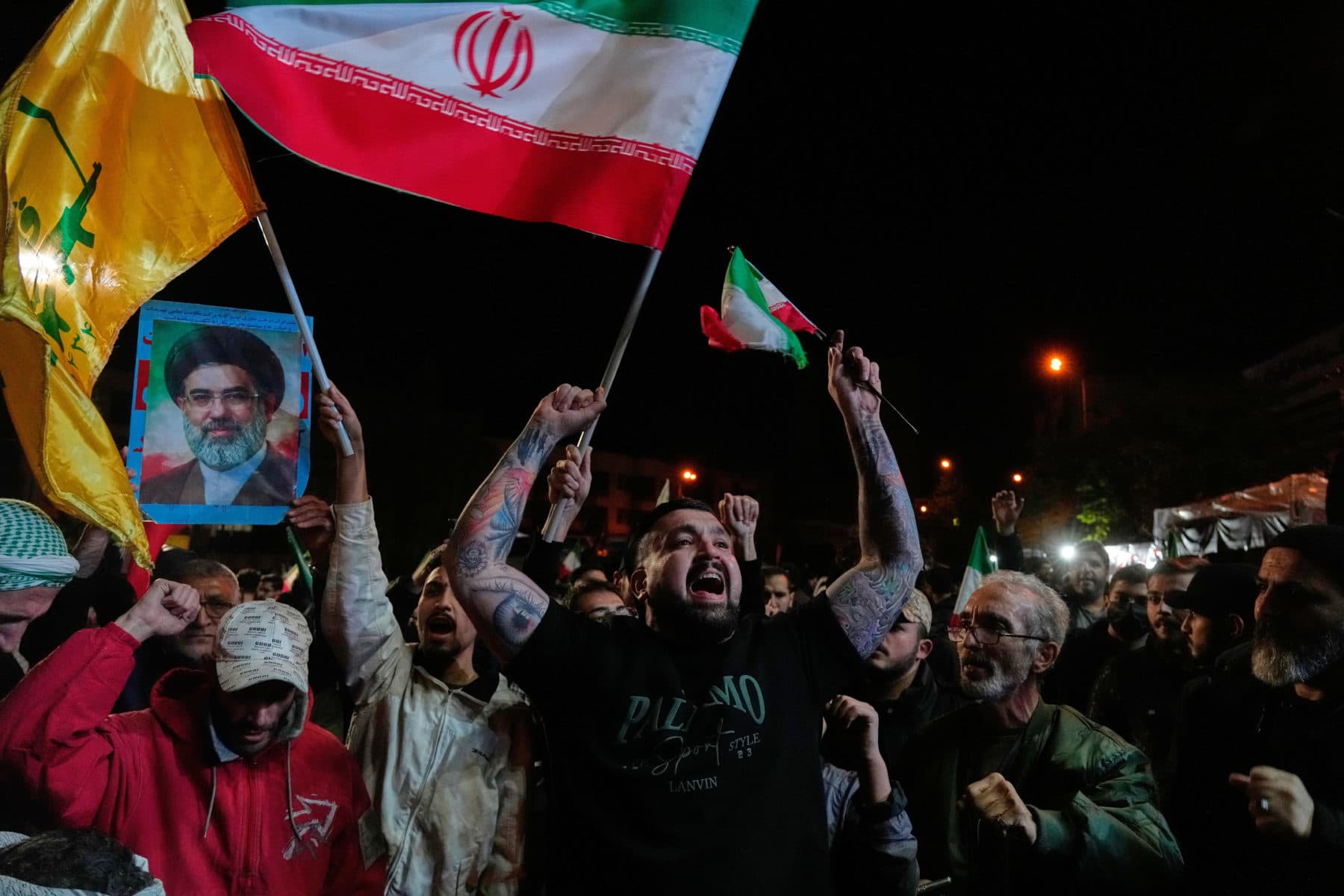


08多源对比Source Comparison
同一事件下,不同媒体的标题与原文节选往往呈现不同关注点。这里汇总最核心的几条报道,方便快速交叉比对。
Coverage of the same event often emphasizes different angles. This view puts the most relevant reports side by side for quick cross-checking.
Iran’s bid to charge ships tolls to transit the Strait of Hormuz would be illegal and should be rejected by the internat...
未抓取全文,仅显示标题与来源。No full text was available, so only the headline and source are shown.