古巴国家电网再度全面崩溃陷入全国大停电Cuba Suffers Nationwide Blackout as National Electrical Grid Collapses Again
古巴国家电网于周五发生全面断电,引发全国范围的大规模停电,导致数百万居民失去电力供应。古巴能源部与国家电力联盟表示,故障发生于当地时间下午2点左右,初步原因归咎于中部地区的高压输电线路故障以及不稳定天气。截至周五晚间,首都哈瓦那仅有约5%的区域保持供电,且电力主要集中在医院周边,全城绝大部分地区仍处于黑暗之中。这是古巴今年经历的第7次全国性电网崩溃。长期以来,古巴老旧的发电系统依赖进口燃料,而自1月以来美国收紧的石油封锁与制裁限制了燃料和维修零部件的流入,基础设施的老化与燃料短缺使得电网稳定性持续恶化。哈瓦那当局将断电危机归咎于美方制裁破坏能源供应,华盛顿方面则称这反映出古巴国有经济模式的问题。停电同时对当地的供水、通信与交通等基本公共服务造成直接冲击。
Cuba's national electrical grid suffered a total collapse on Friday afternoon, triggering a nationwide blackout that left millions of residents across the Caribbean country without electricity. The Ministry of Energy and Mines and state-run utility UNE reported that the system disconnection occurred around 2:00 p.m. local time, triggered by high-voltage transmission line failures in central Cuba and unstable weather conditions. By late evening, only about 5% of the capital Havana retained power, largely concentrated around hospitals, leaving most of the city dark. The breakdown marks Cuba's seventh nationwide blackout this year, highlighting systemic strains on the island's decrepit power generation facilities. These structural issues have been exacerbated by fuel shortages following US sanctions and an oil embargo tightened in January, which restricted imports of fuel and necessary replacement parts. Havana attributed the deepening energy shortages directly to US economic restrictions, whereas Washington claimed the recurring power failures reflect flaws in Cuba's state-run economic model. The widespread outage immediately disrupted essential services, including water distribution, communications, and transport networks across the island.
01电网全面崩溃与突发停电现状Total Grid Collapse and Widespread Blackout
古巴能源部在社交媒体平台X上通报称,全国电力系统发生了彻底断开。古巴国家电力联盟(UNE)官员费利克斯·埃斯特拉达表示,当局已启动应急方案以逐步恢复电力供应。古巴官方媒体报道称,电网崩溃的具体原因仍在调查中,目前尚无法确定恢复供电的明确时间表。
Cuba's Ministry of Energy and Mines announced on social media platform X that a total disconnection of the electrical system had occurred. Felix Estrada, an official with Cuba's National Electrical Union (UNE), stated that protocols have been activated to begin the gradual restoration of the electrical grid. Cuban state media reported that the root causes of the collapse remain under investigation, and authorities currently have no confirmed timeline for when electricity will be restored across the island.
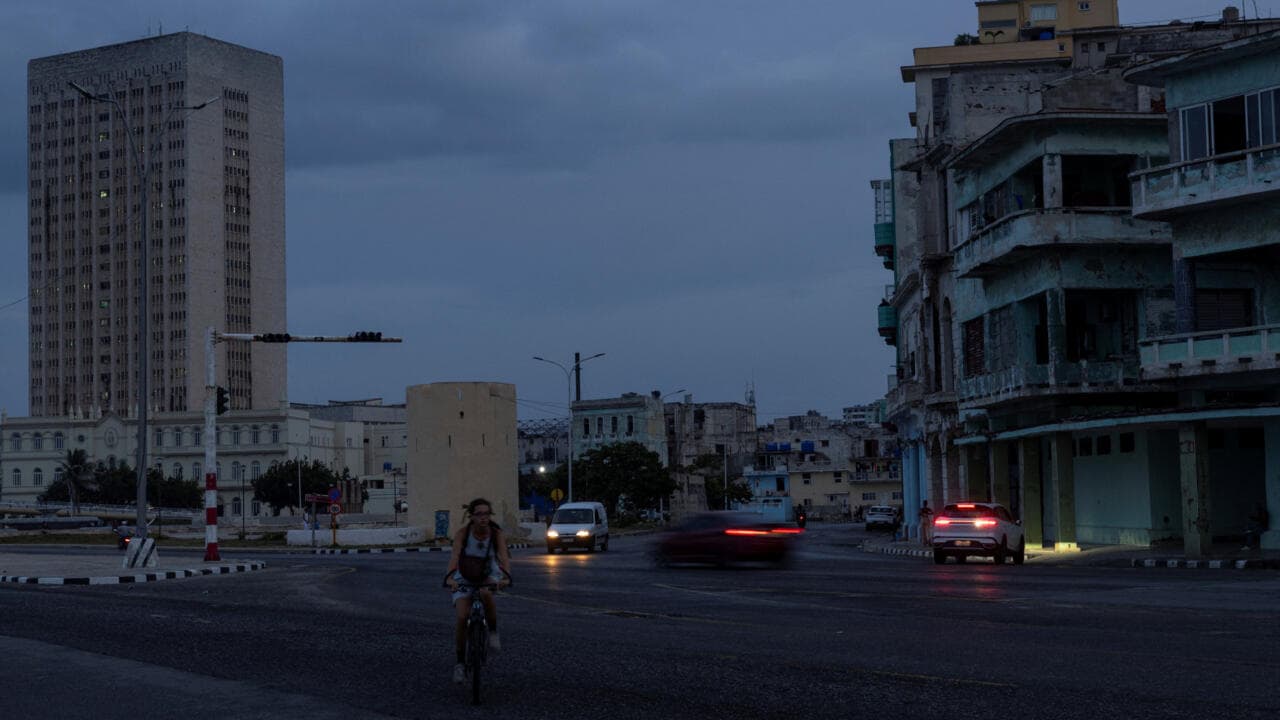
在首都哈瓦那,虽然入夜后少数零星社区在医院周边恢复了微弱供电,但在多云和降雨天气下,城市的大部分区域依然彻底陷入漆黑。许多哈瓦那居民在全国电网瘫痪之前本就处于长时间断电状态;23岁的当地居民弗兰克·洛伦佐表示,自己在经历了连续24小时停电后仅获得1小时供电,随后系统便全面中断。
Across the capital of Havana, limited power returned to a handful of scattered neighborhoods near hospitals by late evening, while most of the city remained in complete darkness under cloudy skies and rain. Many capital residents were already enduring extended outages before the nationwide failure occurred. Frank Lorenzo, a 23-year-old resident of Havana, noted that he had gone without electricity for 24 hours only to have power return for a single hour before the entire grid went down.
02日常生活停摆与民生多重冲击Disruption to Daily Life and Deepening Social Impact
频繁且漫长的轮流停电已对古巴居民的基本生活构成系统性冲击。在哈瓦那,持续超过30小时的断电已十分常见,而部分外省地区单次停电时间甚至超过60小时。电力的长期缺失不仅打断了日常照明,更直接波及自来水供应、烹饪用气输送、移动通信网络以及地面交通系统的正常运转,迫使当地居民在多重物资短缺中艰难应对。
Frequent and extended rolling blackouts have disrupted foundational public utilities across Cuba, severely affecting the daily routines of the island's more than 9 million residents. Outages lasting over 30 hours have become standard in Havana, while several provincial regions have faced continuous electricity cuts stretching past 60 hours. These extended blackouts have directly hampered municipal water distribution, cooking gas delivery, cellular communications, and local transportation networks, forcing residents to navigate overlapping shortages of essential resources.
公共服务瘫痪的背后是古巴整体经济困境的加剧。本周发布的一项独立研究估计,古巴目前约有66%的人口生活在贫困线以下,相比2025年年中的45%出现显著攀升,食品价格飞涨是主要推手之一。60岁的居民梅赛德斯·罗德里格斯表示,食品短缺与水电气的中断令日常生活难以为继,展现出民众在持续断电与生活成本攀升双重挤压下的真实困境。
The collapse of basic services coincides with severe economic distress. An independent study released this week estimated that 66% of Cuba's population currently lives in poverty, up from 45% recorded in mid-2025, driven in large part by surging food prices. Local residents, including 60-year-old Mercedes Rodriguez, described compounded hardships where persistent shortages of food and water intersect with recurring power failures, leaving households struggling to secure basic necessities.
03老旧电网与美国燃料封锁的叠加影响Compounding Factors: Aging Plants and US Fuel Restrictions
古巴老化的发电系统长期依赖进口燃料维持运转,但自1月以来实施的石油封锁与收紧制裁切断了该国的燃料及设备零部件供应。美国总统唐纳德·特朗普政府加强了制裁措施并执行石油禁运,阻止古巴进口维持电网基础设施运转所必需的燃油与维修配件,直接导致各发电厂面临更为严峻的运营瓶颈。
Cuba's aging power generation facilities rely heavily on imported fuel to operate, but an oil blockade and tightened sanctions initiated in January have choked off supplies of fuel and critical replacement parts. The administration of US President Donald Trump intensified sanctions and enacted an oil embargo, preventing the Caribbean nation from obtaining both the petroleum and the components required to repair and maintain its deteriorating energy infrastructure.
在基础设施年久失修与燃料断供的共同影响下,古巴电网的不稳定性在过去数月内显著上升。整个电力系统在7月份曾三度瘫痪,今年以来已累计出现7次全国性电网崩溃,自2024年底以来更是记录了12次大规模故障。由于缺乏稳定燃料注入与关键维修配件,电网故障频次呈现持续攀升态势。
The intersection of decrepit infrastructure and fuel shortages has left the island's electrical network increasingly unstable over recent months. The national grid experienced three total breakdowns in July alone, with Friday's outage marking the 7th nationwide collapse this year and the 12th since late 2024. Without consistent fuel supplies and technical parts to stabilize the network, major power failures have occurred with increasing frequency across the country.
古巴电网危机演变Timeline of Cuba's Power Grid Crisis
梳理燃料制裁与设施老化下古巴国家电网逐步走向全面崩溃的历程。
Tracing the escalation of Cuba's power grid collapse amid fuel blockades and deteriorating infrastructure.
美国政府强化对古巴制裁并实施石油禁运,切断了该国发电所需的燃油以及关键维护零件供应,加剧了岛内老旧电网的系统性压力。
The US intensified sanctions and enacted an oil embargo, choking off petroleum and essential replacement parts required to maintain Cuba's aging power infrastructure.
由于燃油供应中断及发电设施老化,古巴国家电网在7月份单月内发生三次全面崩溃,全国电力网络日趋脆弱且频繁出现大范围断电。
Compounded by acute fuel deficits and deteriorating power facilities, Cuba's electrical grid suffered three total breakdowns in July alone.
中部高压输电线路故障引发古巴国家电网于下午2时彻底断联,导致数百万人失去电力供应,酿成2026年以来第7次全国大停电。
A high-voltage transmission line failure in central Cuba triggered a total grid disconnection at 2:00 p.m., causing the island's seventh nationwide blackout this year.
04哈瓦那与华盛顿的外交互相指责及国际反应Diplomatic Accusations and International Criticism
停电危机引发了哈瓦那与华盛顿之间新一轮外交交锋。古巴政府指责美国实施的制裁与石油禁运直接加剧了国内能源与物资匮乏;华盛顿方面则反驳称,反复出现的电网故障反映了古巴国有经济运行机制本身的缺陷。在此期间,美国总统唐纳德·特朗普还发表了接管该岛国的隐晦言论。
The recurring blackout crisis has triggered sharp diplomatic friction between Havana and Washington. The Cuban government directly blamed United States sanctions and the fuel blockade for crippling the country's energy supply, while Washington countered that the chronic power failures demonstrate the fundamental shortcomings of Cuba's state-run economic model. During this period, US President Donald Trump also made thinly veiled threats regarding a takeover of the island nation.
美国驻哈瓦那大使馆随后发布安全警示,指出古巴电网脆弱性上升且断电频次增加,提醒在古巴境内或计划前往的美国公民提前做好应对准备,并留意手机及网络通信中断的情况。与此同时,联合国人权专家谴责了美国的石油封锁举措,称其违反国际法,并警告随着物资短缺与停电持续恶化,古巴面临陷入严重人道危机的风险。
Following the collapse, the US Embassy in Havana issued an advisory urging American citizens residing in or traveling to Cuba to make contingency plans, noting that the island's electrical network has grown increasingly unstable alongside widespread cellphone and internet disruptions. Meanwhile, United Nations human rights experts condemned the US oil embargo as a violation of international law, cautioning that escalating shortages and persistent blackouts risk turning Cuba into a silent humanitarian disaster.
