中国一季度GDP增长5%超预期 能源风险与中东局势阴云笼罩China's Q1 GDP Growth Hits 5% as Export Surge Offsets Domestic Weakness
中国国家统计局周四发布的数据显示,2026年第一季度中国国内生产总值(GDP)同比增长5%,这一增速不仅高于上一季度的4.5%,也超过了经济学家此前普遍预期的4.8%。在全球经济面临地缘政治动荡的背景下,中国经济展现出了超预期的韧性。北京方面此前将今年的增长目标设定在4.5%至5%之间,这是自1990年代初以来最保守的目标,而一季度的表现已触及这一区间的上限。尽管宏观数据亮眼,但国内消费依然疲软,房地产市场的持续低迷使得消费者支出意愿受限,经济增长的动力主要源于强劲的出口表现和政府主导的基础设施投资。
China's economy expanded by 5% in the first three months of the year, according to official data released by the National Statistics Bureau on Thursday. This growth rate marks an acceleration from the 4.5% recorded in the previous quarter and surpasses the 4.8% median estimate from economists. The performance brings China to the top end of its annual growth target of 4.5% to 5%, which Beijing had previously set as its least ambitious goal since the early 1990s. While the headline figure suggests a robust recovery, the underlying data reveals a dual-speed economy where strong exports and state-led infrastructure investment are compensating for a persistent slump in domestic consumption and a deep contraction in the housing sector.
然而,这一增长势头正面临来自外部环境的严峻挑战。自2月28日爆发的美国、以色列与伊朗之间的战争已导致全球能源供应严重受阻,亚洲各国受到的冲击尤为明显。尽管一季度的出口数据抵消了部分负面影响,但战争引发的能源价格波动和全球需求萎缩风险,正为中国实现全年经济目标增添变数。目前,市场正密切关注中东局势的演变,任何关于停火协议的进展都可能直接影响全球能源成本及中国制造业的外部需求环境。
However, this economic momentum is being tested by severe external headwinds stemming from the conflict between the U.S., Israel, and Iran. The war, which escalated on February 28, has significantly disrupted global energy supplies, hitting Asian economies particularly hard. While robust export volumes provided a critical buffer in the first quarter, the potential for a sustained energy shock threatens to sap global demand and increase production costs for Chinese manufacturers. Analysts warn that the outlook remains clouded by these geopolitical tensions, with the stability of global supply chains hinging on the prospects of a diplomatic resolution in the Middle East.

01出口与基建成为增长双引擎Exports and Infrastructure Drive Growth
在一季度经济数据中,出口表现和政府财政刺激起到了关键的支撑作用。面对国内房地产价格大幅下跌导致的财富效应缩水,中国政府加大了对基础设施项目的投入,包括新建铁路线和其他大型工程,以稳定经济大盘。这种由投资驱动的模式在一定程度上弥补了私人消费的不足。
The first-quarter performance was largely underpinned by a surge in exports and significant fiscal stimulus from Beijing. As a steep slide in housing prices left Chinese consumers feeling less prosperous and less willing to spend, the government pivoted toward heavy investment in infrastructure. Funding has been poured into new rail lines and various public works projects to maintain economic stability and offset the domestic downturn.
- 出口贸易:强劲的海外需求抵消了国内市场的疲软。
- 财政刺激:政府资金流向铁路等大型基础设施项目。
- 增长目标:一季度5%的增速已达到全年4.5%-5%目标的上限。
- Export Trade: Robust overseas demand helped buffer the impact of a weak domestic market.
- Fiscal Stimulus: Government capital was directed into large-scale projects like rail networks.
- Growth Target: The 5% Q1 growth rate reached the upper bound of the annual 4.5%-5% goal.
02中东冲突引发能源供应担忧Middle East Conflict Clouds Energy Outlook
尽管GDP数据向好,但2月底爆发的中东战争已成为全球经济最大的不确定因素。这场涉及美国、以色列和伊朗的冲突严重干扰了原油供应,导致能源价格波动。对于高度依赖能源进口的亚洲国家而言,这种冲击可能导致生产成本上升并抑制消费复苏。
Despite the positive GDP data, the war in the Middle East remains the most significant threat to global economic stability. The conflict involving the U.S., Israel, and Iran, which began in late February, has severely disrupted global energy supplies. Asian countries, including China, are particularly vulnerable to these shocks, which risk driving up manufacturing costs and dampening the nascent recovery in consumer spending.
经济学家指出,虽然一季度的数据尚未完全反映出战争的长期影响,但如果冲突持续,能源成本的上升将不可避免地削弱全球购买力,进而影响中国的出口订单。目前,市场对局势的任何缓和迹象都表现出极高的敏感性。
Economists note that while Q1 figures do not yet fully capture the long-term impact of the war, a prolonged conflict would inevitably erode global purchasing power. This would eventually hit China's export orders, which have been a primary growth driver. Markets remain highly sensitive to any signs of escalation or de-escalation in the region.
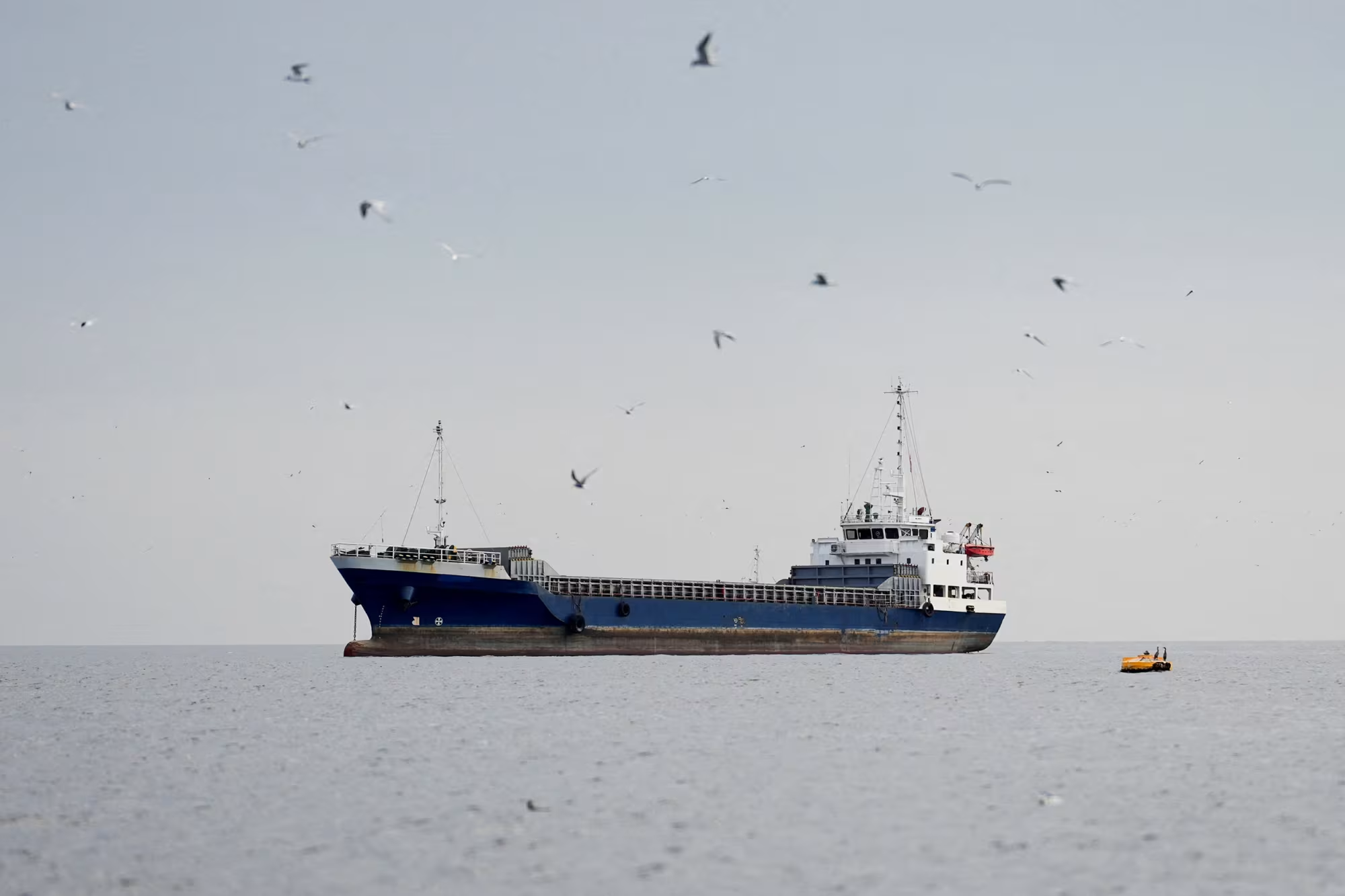
中东冲突升级与霍尔木兹海峡危机演变Escalation of Middle East Conflict and the Hormuz Crisis
梳理导致当前能源风险和全球经济压力的中东军事与外交冲突脉络。
Traces the military and diplomatic escalations in the Middle East that underpin current energy risks and global economic pressure.
以色列袭击伊朗最大石化基地;特朗普因美军飞行员失踪向伊朗发出48小时最后通牒,要求开放霍尔木兹海峡。
Israel strikes Iran's largest petrochemical complex; President Trump issues a 48-hour ultimatum to Iran to reopen the Strait of Hormuz following the disappearance of a U.S. pilot.
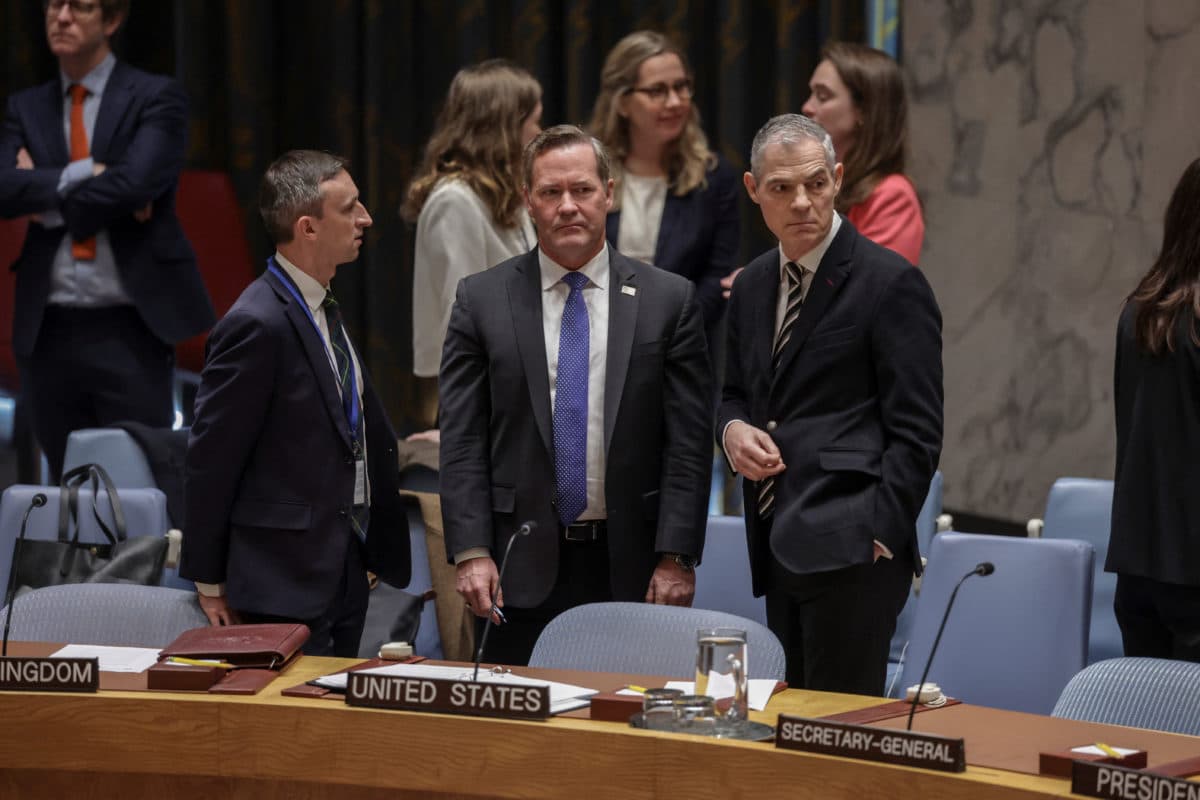
俄罗斯与中国在安理会否决了旨在重新开放霍尔木兹海峡的决议草案,外交僵局加深。
Russia and China veto a UN Security Council resolution aimed at reopening the Strait of Hormuz, deepening the diplomatic deadlock.
美伊达成两周临时停火,但德黑兰提议对海峡过境船只收费,遭到国际海事组织拒绝。
The U.S. and Iran reach a two-week ceasefire, but Tehran's proposal to charge transit fees for the Strait is rejected by the IMO.
美国副总统万斯与伊朗官员在伊斯兰堡进行的21小时马拉松式谈判无果而终,双方未能就核条款达成一致。
U.S. Vice President JD Vance's 21-hour marathon negotiations with Iranian officials in Islamabad fail to produce a peace deal.
在和谈破裂后,美国正式对伊朗实施全面海上封锁,切断其90%的经济来源,加剧全球能源供应担忧。
Following failed talks, the U.S. formally implements a full naval blockade of Iranian ports, cutting off 90% of its economy and heightening global energy concerns.
03市场反应与外交协议预期Market Reactions and Hopes for Diplomacy
在经济数据发布的同时,亚洲金融市场表现出复杂的情绪。周四,日本日经225指数创下历史新高,上涨2.19%。这一涨势主要受到华尔街隔夜表现的带动,投资者对美国与伊朗可能达成协议以结束战争的预期日益增强。科技股和消费周期性股票领涨,反映出市场对地缘政治风险缓解的渴望。
Financial markets in Asia reacted with a mix of caution and optimism alongside the economic data release. Japan's Nikkei 225 hit a record high on Thursday, rising 2.19%, tracking overnight gains on Wall Street. This rally was fueled by growing expectations among investors that a deal between the U.S. and Iran could be reached to end the hostilities, providing relief to technology and consumer cyclical stocks.
| 市场/指标 | 表现 | 主要驱动因素 |
|---|---|---|
| 中国一季度GDP | 增长5% | 出口与基建投资 |
| 日本日经225 | 创历史新高 (+2.19%) | 美伊协议预期 |
| Market/Indicator | Performance | Primary Driver |
|---|---|---|
| China Q1 GDP | 5% Growth | Exports & Infrastructure |
| Japan Nikkei 225 | Record High (+2.19%) | U.S.-Iran Deal Hopes |
美国 / 伊朗United States / Iran
展示影响全球能源安全和中国经济外部环境的核心地缘政治关系。
Illustrates the core geopolitical relationships impacting global energy security and China's external economic environment.

08多源对比Source Comparison
同一事件下,不同媒体的标题与原文节选往往呈现不同关注点。这里汇总最核心的几条报道,方便快速交叉比对。
Coverage of the same event often emphasizes different angles. This view puts the most relevant reports side by side for quick cross-checking.
People walk outside a shopping mall during a week-long National Day holiday in Beijing on October 7, 2025.
China's economy grew faster than expected in the first three months of the year, even as countries around the world feel...