中国5月PPI同比上涨3.9% 创近四年最快增速China May PPI Jumps 3.9% in Fastest Growth Since July 2022
中国国家统计局于6月10日周三公布的数据显示,5月份工业生产者出厂价格指数(PPI)同比上涨3.9%,创下2022年7月以来的最高增速。这一数据超出了经济学家3.8%的预期,也高于4月份2.8%的涨幅。批发价格在今年3月份恢复增长,帮助中国经济摆脱了数十年来最长的通缩周期,而5月份的居民消费价格指数(CPI)则低于预期。此次出厂价格的加速上涨主要受到中东冲突和人工智能投资热潮的推动。伊朗战争导致霍尔木兹海峡航运受阻,能源和原材料供应中断,推高了工厂的采购成本,其中燃料和动力类购进价格同比上涨10%,非金属材料和电线价格上涨22%。此外,人工智能计算需求的增长和电气化转型也推动了有色金属、电子机械和计算机硬件价格的上涨,其中有色金属矿采选业价格同比上涨36.5%,冶炼业价格上涨24%。
China's producer price index (PPI) jumped 3.9% year-on-year in May, marking the fastest growth since July 2022, according to National Bureau of Statistics data released on Wednesday. The reading beat economists' forecasts of 3.8% and accelerated from a 2.8% increase in April. Wholesale prices, which returned to growth in March, have helped lift the economy out of its longest deflationary streak in decades, even as May consumer inflation came in below estimates. The acceleration in factory-gate prices was driven by rising raw material costs linked to the war in Iran and a boom in artificial intelligence investment. The Middle East conflict has disrupted shipping through the Strait of Hormuz, cutting off energy and raw material flows. Consequently, factories' purchasing prices for fuel and power climbed 10% year-on-year, while costs for non-ferrous metal materials and wires surged 22%. At the same time, accelerating electrification and deepening AI adoption pushed up prices for tech equipment and semiconductors, with non-ferrous metal mining leading gains at 36.5% and smelting up 24% from a year ago.

015月PPI超预期上涨 创近四年新高May PPI Beats Expectations to Hit Near Four-Year High
中国国家统计局周三公布的数据显示,5月份工业生产者出厂价格指数(PPI)同比上涨3.9%,这一增速创下了自2022年7月以来的最高纪录。该数据不仅超出了此前经济学家普遍预测的3.8%中值,与4月份录得的2.8%同比涨幅相比,也呈现出明显的加速上行态势。
According to data released by the National Bureau of Statistics on Wednesday, China's producer price index jumped 3.9% year-on-year in May. This acceleration represents the fastest pace of growth for the factory-gate inflation measure since July 2022. The reading came in ahead of the 3.8% growth rate that economists had generally anticipated for the month.
这一超预期的表现凸显了中国工厂端价格的强劲回升。随着5月份出厂价格的快速反弹,批发层面的价格上涨正在为工业企业带来新的定价动力。这一趋势表明,在经历了一段时间的低迷后,中国工业部门的通胀压力正在重新积聚,其增速已达到近四年来的最快水平。
The May figure also marks a significant acceleration from the 2.8% year-on-year increase recorded in April. This stronger-than-expected performance indicates a rapid buildup of price pressures at the wholesale level, pushing industrial gate prices to their highest growth rate in nearly four years as factory-gate inflation regains momentum across the country's manufacturing sectors.
02中东冲突推高能源与原材料成本Middle East Conflict Drives Up Energy and Raw Material Costs
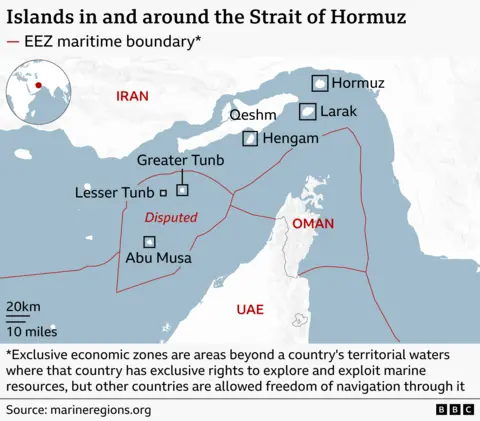
中东地区持续的冲突对全球供应链造成了直接冲击,特别是伊朗战争导致霍尔木兹海峡的航运受阻。这一关键航道的运输受限,直接切断了能源和原材料的正常流动,进而显著推高了中国制造企业的采购成本。随着能源供应受限,工厂在生产运营中面临着越来越沉重的原材料资金压力。
The ongoing conflict in the Middle East has dealt a direct blow to global supply chains, particularly as the war in Iran throttles shipping traffic through the crucial Strait of Hormuz. This disruption has severely restricted the flow of energy and raw materials, forcing Chinese manufacturers to grapple with escalating procurement expenses. As vital shipping lanes remain blocked, the resulting supply constraints have driven up factory purchasing costs across multiple industrial sectors.
国家统计局的数据具体反映了这一成本上升的幅度。5月份,中国工厂的燃料和动力类购进价格同比上涨了10%,与4月份4.4%的涨幅相比明显扩大。与此同时,非有色金属材料和电线的采购成本也同比激增了22%。这些关键投入品价格的攀升,成为推动5月份工业生产者出厂价格指数整体走高的重要因素。
According to data from the National Bureau of Statistics, these supply disruptions have translated into measurable cost increases for industrial inputs. Factories' purchasing prices for fuel and power climbed 10% year-on-year in May, representing a significant acceleration from the 4.4% growth rate recorded in April. Furthermore, purchasing costs for non-ferrous metal materials and wires surged by 22% compared to the same period last year, highlighting the broad impact of commodity price pressures on industrial operations.
中东局势动荡与全球通胀预期演变Middle East Conflict and Global Inflation Expectations
展示中东地缘政治冲突如何通过能源与大宗商品价格波动,逐步推高全球通胀预期并影响工业成本。
Shows how geopolitical conflicts in the Middle East have driven up global inflation expectations and industrial costs through energy and commodity price volatility.
美国对伊朗发动新一轮袭击,推高美元汇率并引发原油价格上涨,现货黄金价格因通胀担忧加剧而跌至两个月低点。
Fresh US military strikes on Iran bolster the US dollar and drive up crude oil prices, pushing spot gold to a two-month low amid rising inflation fears.
在华盛顿谈判后,以色列与黎巴嫩同意有条件停火,但地面军事行动仍在继续,地缘局势依然脆弱。
Israel and Lebanon agree to a US-brokered conditional ceasefire, though ground operations continue, leaving the regional situation fragile.
美伊外交突破预期推动金价反弹,但能源价格持续波动,亚太股市因通胀担忧承压。
Optimism over potential US-Iran diplomacy boosts gold, but ongoing energy price volatility continues to weigh on Asian markets due to inflation concerns.
美军在波斯湾地区拦截了伊朗向科威特和巴林发射的弹道导弹,中东局势再度紧张,加剧了供应链与原材料成本压力。
US forces intercept Iranian ballistic missiles targeted at Kuwait and Bahrain, renewing regional tensions and pressure on supply chains and raw material costs.
03AI热潮与电气化转型拉动科技硬件价格AI Boom and Electrification Drive Tech Hardware Prices
除了地缘政治冲突带来的大宗商品成本上升外,全球对人工智能计算需求的激增以及电气化转型的加速,也成为拉动中国批发价格上涨的重要引擎。这一趋势直接推高了科技设备、半导体以及相关硬件的制造与采购成本。国家统计局高级统计师董莉娟在周三发表的声明中指出,电气化转型的加速、人工智能应用的深化以及计算需求的激增,共同推高了有色金属、电气机械和计算机硬件的价格。
Beyond rising commodity costs linked to geopolitical tensions, China's wholesale prices were significantly lifted by a growing global demand for artificial intelligence computing power and an accelerating shift toward electrification. This technological transition has directly pushed up prices for tech equipment, semiconductors, and related manufacturing hardware. In a statement released on Wednesday, National Bureau of Statistics chief statistician Dong Lijuan noted that the accelerating shift to electrification, deepening artificial intelligence adoption, and surging computing demand have driven up prices across non-ferrous metals, electrical machinery, and computer hardware.
在具体行业数据方面,有色金属相关产业的涨幅最为显著。根据国家统计局公布的数据,5月份有色金属矿采选业价格同比大幅上涨36.5%,领跑整个工业品出厂价格的涨幅,而有色金属冶炼和压延加工业的价格也同比上涨了24%。这些数据表明,科技硬件和电力基础设施建设对原材料的强劲需求,正在向工业生产的上游链条传导。
The impact on raw materials was particularly visible in the non-ferrous metals sector, which is critical for electrical and digital infrastructure. According to the official data, non-ferrous metal mining led the overall industrial gains with a sharp 36.5% year-on-year increase in May. Additionally, prices for the non-ferrous metal smelting and pressing industry rose 24% from a year earlier, reflecting how the rapid expansion of AI and electrification is feeding back into upstream industrial production costs.
全球人工智能投资热潮与基础设施扩张Global AI Investment Boom and Infrastructure Expansion
梳理近期全球科技巨头在人工智能领域的巨额融资与技术竞赛,解释其如何拉动科技硬件与电气化设备需求。
Traces recent massive funding rounds and technology races among global tech giants, explaining how they drive demand for tech hardware and electrical equipment.
AI初创公司Anthropic在新一轮融资中筹集650亿美元,估值达到9650亿美元,超越OpenAI成为全球最有价值的AI初创公司。
AI startup Anthropic raises $65 billion, pushing its valuation to $965 billion and leapfrogging OpenAI as the world's most valuable AI startup.
谷歌母公司Alphabet宣布将通过股权融资筹集800亿美元,用于支持其人工智能业务的全面扩张与基础设施建设。
Google's parent company Alphabet announces plans to raise $80 billion through stock sales to fund its AI expansion and infrastructure.
苹果在WWDC上展示了深度整合人工智能的全新Siri,并透露其最先进的AI模型得到了谷歌和英伟达的协助,进一步加剧了硬件升级需求。
Apple showcases AI updates including a revamped Siri at WWDC, revealing assistance from Google and Nvidia, further driving hardware upgrade demand.
04宏观经济背景:走出通缩与消费端温和Macroeconomic Context: Exiting Deflation Amid Mild Consumer Inflation
从宏观经济背景来看,中国工业品批发价格在今年3月份重新恢复增长,这一转变对于中国经济具有重要意义。在此之前,中国经济正经历着数十年来持续时间最长的通缩周期,而批发价格的回暖成功帮助经济摆脱了这一通缩阴影。这一复苏主要受到中东冲突引发的输入性成本飙升等因素的推动,为工业部门注入了回暖动力。
From a broader macroeconomic perspective, the recovery in China's wholesale prices, which returned to growth in March, marks a significant shift for the economy. This turnaround successfully lifted the country out of its longest deflationary streak in decades. The rebound in producer prices was primarily driven by surging input costs stemming from the Middle East conflict, which injected new momentum into the industrial sector after a prolonged period of declining prices.
然而,与生产端价格的强劲反弹相比,消费端的通胀表现则显得相对温和。国家统计局的数据显示,5月份的居民消费价格指数(CPI)表现低于经济学家的预期。这种生产端与消费端之间的温和差异表明,尽管上游原材料和批发价格因外部冲击和科技需求而快速上涨,但其向终端消费市场的传导依然较为缓慢,消费端依然保持着相对平稳的态势。
In contrast to the sharp acceleration at the factory gate, inflation at the consumer level remained relatively mild. Official data showed that China's consumer price index (CPI) for May came in below economists' estimates. This divergence between surging wholesale prices and subdued consumer inflation indicates that while upstream costs have risen rapidly due to geopolitical disruptions and technology demand, the transmission of these higher costs to final consumer goods and services remains gradual.