柬埔寨与泰国就3000亿美元争议海域启动联合国调解程序Cambodia and Thailand Launch UN Conciliation Over $300B Seabed Dispute
柬埔寨与泰国的两国外交部长于周二在常设仲裁法院新加坡办公室发表开庭陈述,正式启动依据《联合国海洋法公约》设立的调解委员会程序,以解决泰国湾约2.7万平方公里面积的争议海域归属问题。该片重叠主权海域蕴藏估计达12万亿立方英尺的天然气和多达7亿桶石油,能源资产总估值约为3000亿美元。这是该公约历史上第二次启用调解委员会程序,该委员会最终提出的调解建议并不具备法律约束力。 在泰国于今年早些时候废除2001年签署的共同开发谅解备忘录后,柬埔寨寻求联合国介入,并表示希望依据国际法寻求和平路径以重建互信。泰国外交部门则在开庭陈述中指责柬埔寨将外交武器化、通过扭曲事实在国际场合扮演受害者,并提及此前两国外交通话泄密及边境冲突伤亡事件。泰国方面同时表示,仍以善意参与调解程序,旨在通过谈判寻求公平的解决方案。
The foreign ministers of Cambodia and Thailand delivered opening arguments on Tuesday at the Permanent Court of Arbitration's Singapore office, formally initiating a conciliation commission under the United Nations Convention on the Law of the Sea to address overlapping claims across 27,000 square kilometers of seabed in the Gulf of Thailand. The contested waters contain an estimated 12 trillion cubic feet of natural gas and up to 700 million barrels of oil, with hydrocarbon reserves valued at approximately US$300 billion. This proceeding represents only the second time in UNCLOS history that the conciliation mechanism has been invoked, and the commission's eventual recommendations will carry no legal binding force. Cambodia pursued the UN-backed conciliation process after Thailand earlier this year tore up a 2001 memorandum of understanding that governed joint-development talks, framing the multilateral step as a lawful effort to rebuild trust and find a peaceful path forward. Thailand responded by accusing Cambodia of weaponizing diplomacy and presenting distorted narratives to cast itself as a victim, pointing to a leaked leadership telephone call and deadly border clashes. Bangkok noted, however, that it entered the UNCLOS process in good faith to pursue an equitable, negotiated solution.
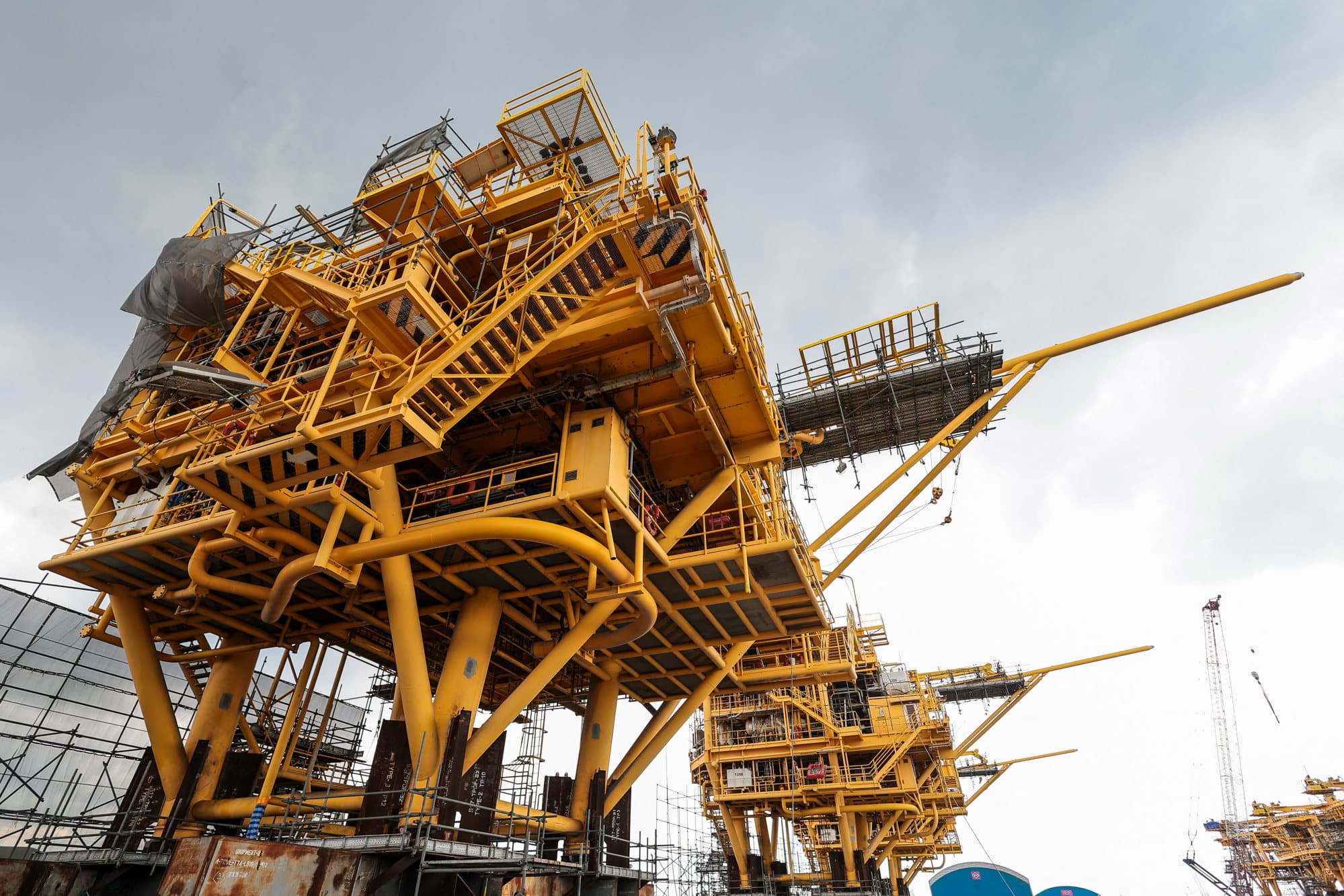
01联合国罕见启动海洋法调解程序 涉及3000亿美元能源海域Rare UNCLOS Conciliation Process Launched Over $300B Energy-Rich Waters
在常设仲裁法院新加坡办公室举行的程序中,依据《联合国海洋法公约》设立的调解委员会开始处理涉及泰国湾2.7万平方公里(约10400平方英里)重叠主权海域的争端。该海域蕴藏着估计高达12万亿立方英尺的天然气以及多达7亿桶原油,估算能源总价值达到3000亿美元。尽管双方均受公约约束必须参与调解,但委员会未来提出的建议并不具有强制法律效力。
The conciliation proceedings at the Permanent Court of Arbitration's Singapore office involve a disputed 27,000-square-kilometer (10,400 square miles) seabed in the Gulf of Thailand. The contested area is estimated to hold 12 trillion cubic feet of natural gas and up to 700 million barrels of oil, representing hydrocarbon resources with an estimated valuation of US$300 billion. Under the United Nations Convention on the Law of the Sea, both Cambodia and Thailand are legally bound to participate in the hearings, though the commission's eventual recommendations will carry no legal weight.
这是《联合国海洋法公约》历史上第二次启用该调解程序。该机制首次使用是在2016年,当时东帝汶针对澳大利亚启动了调解,整个纠纷解决过程耗时近两年。此次两国就重叠油气海域对簿公堂,发生在今年早些时候泰国退出2001年联合开发谅解备忘录之后,该框架此前维系了双方就争议海区共同勘探开发的谈判基础。
The current case represents only the second time that the UNCLOS conciliation mechanism has ever been invoked. The first instance occurred in 2016, when East Timor initiated conciliation proceedings against Australia, taking nearly two years to reach a resolution. The dispute over the energy-rich seabed reached the international commission after Thailand earlier this year discarded a 2001 memorandum of understanding that had previously guided bilateral negotiations on joint offshore resource development.
柬泰3000亿美元争议海域争端始末Timeline: Cambodia-Thailand $300B Seabed Dispute
梳理柬泰围绕泰国湾油气重叠海域从签署开发备忘录、双边关系恶化到诉诸联合国调解的演变历程。
Tracing how Cambodia and Thailand went from a joint seabed development pact to diplomatic fallout and UN conciliation.
柬埔寨与泰国签署谅解备忘录,承诺共同开发泰国湾2.7万平方公里重叠海域。该海域蕴藏约12万亿立方英尺天然气和至多7亿桶石油,能源价值估计达3000亿美元。
Cambodia and Thailand signed an MoU to guide talks on jointly developing 27,000 square kilometers of overlapping seabed in the Gulf of Thailand, holding an estimated $300 billion in oil and gas.
泰国退出指导双边油气谈判的2001年备忘录。泰方外长称25年谈判未获实质进展;柬方则指责泰方单方面撕毁协议,导致双边解决争议的途径彻底破裂。
Thailand tore up the 2001 memorandum of understanding after 25 years of fruitless talks, which Cambodia said dashed remaining hopes for a negotiated bilateral settlement.
洪森与时任泰国总理佩通坦的通话录音遭泄露,在泰国国内引爆政治危机并最终迫使佩通坦下台。泰方指责柬方在边境摩擦与泄密事件中将外交武器化。
A leaked telephone call between Hun Sen and then-Thai Prime Minister Paetongtarn Shinawatra triggered a domestic crisis that drove her from office, escalating bilateral tensions.
两国外长在常设仲裁法院新加坡办事处阐述开案陈词。这是《联合国海洋法公约》历史上第二次启动调解机制,旨在寻求解决3000亿美元争议海域的控制权。
Foreign ministers of Cambodia and Thailand delivered opening arguments at the PCA in Singapore, initiating only the second conciliation commission in UNCLOS history over the $300B seabed.
02柬埔寨阐述诉求:泰国废除备忘录后寻求和平国际解决路径Cambodia's Position: Seeking Peaceful Path After Thailand Scrapped 2001 MoU
柬埔寨副首相兼外交大臣布拉索昆在首轮陈述中进行了15分钟的发言,将柬埔寨描绘为被迫采取法律途径的一方而非侵略者。他在陈述中回顾了上千年的历史脉络,涵盖公元九世纪的高棉帝国、法国殖民统治、内战以及红色高棉政权历史。他表示,在泰国退出2001年谅解备忘录导致双边谈判达成协议的希望破灭之后,柬埔寨别无选择,只能依据国际法寻求联合国介入。
Cambodian Foreign Minister Prak Sokhonn delivered a 15-minute opening statement that spanned a millennium of regional history, invoking the ninth-century Khmer Empire, French colonial rule, civil war, and the Khmer Rouge period to portray his country as a reluctant participant in litigation rather than an aggressor. Sokhonn stated that Cambodia had turned to the United Nations commission only after Thailand's unilateral withdrawal from the 2001 memorandum of understanding dashed any remaining prospect of reaching a negotiated bilateral settlement over the contested offshore territory.
布拉索昆指出,柬埔寨启动调解机制是为了在国际法框架下寻找和平解决路径,并将该程序定义为重建两国互信的渠道。他表示,希望这一国际调解能够为双方翻开互利合作的新篇章,打破长久以来因重叠海域主权主张带来的谈判僵局。
Sokhonn emphasized that Cambodia initiated the proceedings to establish a lawful and peaceful path forward under international law, characterizing the conciliation mechanism as an essential tool to rebuild trust between the two neighboring states. He added that the multilateral process could allow both nations to turn a new page for their mutual benefit, resolving decades of diplomatic impasse over the resource-rich maritime area.
03泰国强硬反驳:批评泄密与边境摩擦 仍称抱持善意参与磋商Thailand's Response: Criticizing Leaks and Clashes While Pledging Good-Faith Engagement
泰国外交部长西哈萨克在随后的回应中采取强硬立场,指责柬埔寨将外交武器化并在国际场合扮演受害者。西哈萨克提到去年6月泄露的洪森与泰国前总理佩通坦之间的私人通话录音,该事件在泰国引发政治危机并促使后者下台。他同时指出边境流血冲突事件,称柬埔寨发射的火箭造成泰国无辜平民丧生,且柬方埋设的地雷致使多名泰国士兵失去双腿,质疑柬方声称遵循国际法的真实性。
Thai Foreign Minister Sihasak Phuangketkeow delivered a sharp rebuttal, accusing Cambodia of weaponizing diplomacy and utilizing false narratives and distortions of facts to cast itself as a victim in international forums. Sihasak highlighted the leaked June telephone conversation between Hun Sen and former Thai prime minister Paetongtarn Shinawatra, which triggered a domestic political crisis that ultimately drove Shinawatra from office. He also referenced violent border clashes, pointing out that Cambodian rockets killed innocent Thai civilians and Cambodian landmines caused Thai soldiers to lose their legs, directly questioning Cambodia's claims of upholding international law.
西哈萨克解释,泰国废除2001年谅解备忘录是因为长达四分之一个世纪的谈判未取得任何实质进展,批评柬方利用虚假陈述和歪曲事实博取同情。他表示,泰国不欢迎外部势力介入两国的陆地与海洋争议,但泰国仍以善意参与调解程序,愿意进行建设性接触以达成公平的谈判解决方案,并强调推进解决需要双方展现政治意愿。
Sihasak stated that Thailand had walked away from the 2001 memorandum of understanding only after twenty-five years of bilateral talks failed to produce progress. While reiterating that Bangkok does not welcome outside interference in its territorial and maritime disputes, Sihasak affirmed that Thailand entered the conciliation process in good faith and remains ready to engage constructively toward a negotiated, equitable resolution, adding that moving forward requires political will on both sides.