巴西举行总统决选:卢拉与弗拉维奥·博索纳罗展开胶着对决Brazil Votes in Dead-Heat Presidential Runoff Between Lula and Bolsonaro
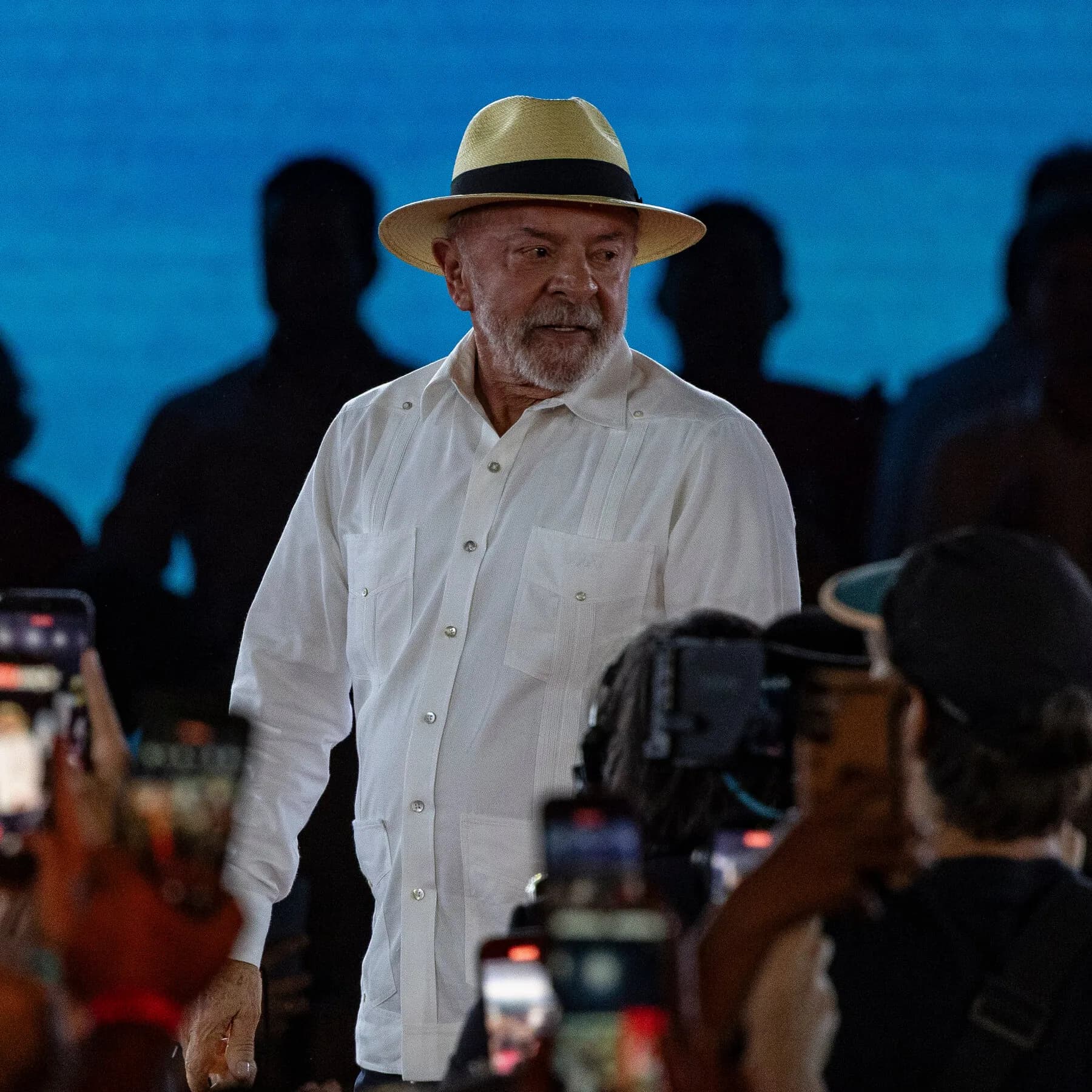
2026年10月25日,巴西选民在第二轮总统决选中投票,现年80岁(部分报道称81岁)的现任左翼总统路易斯·伊纳西奥·卢拉·达席尔瓦正寻求第四个总统任期,迎战45岁的右翼联邦参议员弗拉维奥·博索纳罗。本月早些时候举行的首轮投票中,弗拉维奥·博索纳罗以约47%对45%的得票率领先卢拉超过220万票,但两人均未跨过直接胜选所需的过半数门槛,同时有超过3300万合格选民弃权。决选前夕的民意调查显示双方处于统计平局状态,其中CNT/MDA民调显示博索纳罗仅领先1.3个百分点。全巴西约1.59亿至近1.6亿名选民面临明确抉择,胜选者必须获得超过50%的有效选票。这场角逐决定着巴西未来的施政方向,选民在卢拉主张的社会福利、反贫困与延续现行制度路线,以及博索纳罗代表的铁腕治安、赦免因未遂政变服刑的父亲雅伊尔·博索纳罗与贴近美国特朗普政府的外交立场之间做出取舍。
Brazilians cast ballots on Sunday, October 25, 2026, in a presidential election runoff pitting leftist incumbent President Luiz Inácio Lula da Silva against right-wing Senator Flávio Bolsonaro. Lula, 80—also reported as 81—is seeking a fourth presidential term after finishing behind in the first round of voting earlier this month. In that ballot, 45-year-old Flávio Bolsonaro, the eldest son of former president Jair Bolsonaro, led Lula by more than 2.2 million votes, taking roughly 47 percent against Lula's 45 percent. Neither candidate crossed the 50 percent majority required to win outright, while more than 33 million registered voters abstained. Eve-of-poll surveys, including a CNT/MDA poll showing Bolsonaro ahead by 1.3 percentage points, indicate the race enters Sunday in a virtual dead heat. The runoff presents two opposing paths for Latin America's largest nation as roughly 159 million to nearly 160 million eligible voters choose between Lula's focus on social assistance and poverty reduction, and Bolsonaro's platform pledging an iron-fist security policy, a pardon for his imprisoned father, and closer alignment with the U.S. Trump administration.

01决选开跑:胶着选情下的关键对决Runoff Underway: A Dead-Heat Race for Brazil's Presidency
在10月25日展开的决选投票中,全巴西约1.59亿至近1.6亿名合格选民面临明确抉择,胜选者必须获得超过50%的有效选票。现年80岁(部分报道称81岁)的卢拉曾于2003年至2010年两度执政,并于2023年开启第三个任期,其早期依靠工会起家和大宗商品繁荣时期的扶贫政策确立了政治声望。相比之下,45岁的弗拉维奥·博索纳罗担任国会议员已超过20年,自2019年起担任联邦参议员,如今首次竞逐国家最高权力。
Brazilians took to the polls on Sunday, October 25, where roughly 159 million to nearly 160 million eligible voters faced a stark choice requiring the eventual winner to secure more than 50 percent of the valid votes. The contest sets two distinct political trajectories against each other. Lula, an 80-year-old former metalworker and union leader whose age is also cited in reports as 81, governed from 2003 to 2010 before returning to office in 2023, building his foundation on commodity-fueled poverty-reduction programs. His challenger, 45-year-old Flávio Bolsonaro, has served in Brazil's Congress for more than two decades, entered the Senate in 2019, and is mounting his first presidential bid.
决选前的最终民调显示两人的竞争已经收窄为统计平局。尽管弗拉维奥在首轮投票中爆冷领跑,打破了选前普遍看好现任总统的预测,但卢拉阵营在随后的三周竞选期内逐步缩小差距。由CNT/MDA等机构在投票前夕公布的调查显示,弗拉维奥仅维持约1.3个百分点的微弱优势,双方陷入胜负难料的胶着博弈。
Final polling conducted immediately before the ballot pointed to a statistical tie between the contenders. While Bolsonaro emerged as the frontrunner following an upset in the first round that contradicted initial projections, Lula steadily made up ground over the subsequent three-week campaign period. Eve-of-poll findings, including a CNT/MDA survey placing Bolsonaro ahead by just 1.3 percentage points, confirmed that the contest entered election day in an unpredictable, dead-heat position.
02首轮逆转与投票率挑战First-Round Upset and Turnout Dynamics
首轮选举中,弗拉维奥·博索纳罗获得约47%的选票,以逾220万票的差距领先得票率约45%的卢拉,两人之间不足2个百分点的差距创下巴西总统选举首轮历史上的最窄纪录。这一结果直接推翻了此前几乎所有民调普遍看好卢拉的预期,暴露出选民对通胀物价与治安恶化的普遍不满,以及卢拉在动员传统劳工选民方面遭遇的困境,同时也证实了前总统雅伊尔·博索纳罗即便因企图政变罪名服刑,其政治运动仍在选民中维持着稳固的基础。
Flávio Bolsonaro secured roughly 47 percent of the ballots in the first round, establishing a lead of more than 2.2 million votes over Lula, who garnered around 45 percent. The margin between the two candidates stood at under two percentage points, marking the narrowest gap ever recorded in a Brazilian presidential first round. The outcome defied pre-election polling that had consistently positioned Lula as the favorite, exposing public discontent over the cost of living and rising violence while underscoring difficulties in mobilizing his traditional base. It also confirmed that former president Jair Bolsonaro's political movement maintains enduring support, even with the elder Bolsonaro serving a sentence for attempting to overturn his 2022 defeat.
决选走势的核心变量在于投票率的高低。巴西最高选举法院的数据表明,首轮投票中弃权选民突破3300万人,创下历史新高。分析指出,高弃权率对卢拉阵营构成了不对称冲击,因为未参与投票的群体大多与其潜在票仓重叠。卢拉团队在过去三周因此调整策略,将竞选重心全面转向基层投票动员,试图在选民池不断收缩的背景下拉拢犹豫不决的中间群体,以抵御博索纳罗阵营从首轮延续而来的冲刺势头。
Turnout has become the decisive variable determining the runoff outcome. Figures from Brazil's Superior Electoral Court showed that voter abstention surpassed 33 million people, reaching an unprecedented record high. This abstention pattern disproportionately affected Lula's candidacy, as non-voters predominantly overlapped with his historic demographics. Confronted with a shrinking pool of undecided citizens, Lula's campaign spent the subsequent three weeks aggressively focusing on voter turnout and mobilization to counter the momentum Flávio Bolsonaro built from his first-round lead.
2026年巴西总统大选进程Timeline of the 2026 Brazilian Presidential Election
记录2022年大选以来巴西政局演变及2026年总统选举首轮至决选的关键节点。
Traces key political milestones from the 2022 election to the 2026 presidential runoff.
卢拉在2022年大选中击败时任总统雅伊尔·博索纳罗。后者因败选后策划政变被判处27年3个月监禁,这也成为其长子弗拉维奥日后参选并承诺特赦父亲的核心背景。
Lula defeated incumbent president Jair Bolsonaro in the 2022 election. The elder Bolsonaro was later sentenced to over 27 years in prison for attempting a coup to overturn his defeat, setting the stage for his son Flávio's candidacy.
巴西举行总统选举首轮投票。弗拉维奥·博索纳罗斩获约47%选票,以逾220万票的优势领先得票约45%的卢拉。两人得票均未过半数,携手晋级决选。
Brazil held its presidential first round. Flávio Bolsonaro secured roughly 47% of the vote, leading incumbent Lula's roughly 45% by over 2.2 million votes, sending both contenders to a runoff.
决选前最后一天,卢拉在里约热内卢科帕卡巴纳海滩与圣保罗保利斯塔大街举行集会;民调显示弗拉维奥·博索纳罗仅领先1.3个百分点,选情陷入极度胶着。
On the eve of the runoff, Lula led marches along Copacabana beach and Paulista Avenue. A CNT/MDA poll showed Flávio Bolsonaro with a narrow 1.3-point lead as the race entered a statistical dead heat.
近1.6亿名巴西选民在总统决选中投票。现任左翼总统卢拉与极右翼参议员弗拉维奥·博索纳罗展开对决,胜者需获得过半数选票以执掌拉美最大经济体。
Nearly 160 million registered voters headed to the polls in Brazil's presidential runoff, choosing between leftist incumbent Lula da Silva and far-right senator Flávio Bolsonaro to determine the nation's political path.
03竞选纲领对抗:治安铁腕对决社会再分配Competing Agendas: Hardline Security vs. Social Protections
两位候选人的竞选纲领展现出截然相反的国家治理路线。弗拉维奥·博索纳罗将打击犯罪列为核心议程,提出效仿萨尔瓦多总统纳伊布·布克莱的模式兴建五座超级监狱,并倡导对强奸犯实施化学阉割。此外,他公开承诺当选后将赦免其正在服刑的父亲雅伊尔·博索纳罗,并计划借助更为保守的国会修改宪法,这一激进主张引发了批评者对其延续威权统治风格的担忧。9月份的Quaest/Pax民调显示,28%的巴西受访者视暴力为国家首要问题,另有22%关注腐败,这为博索纳罗主打铁腕政策提供了广泛支撑。
The two candidates present starkly diverging visions for Brazil's governance. Flávio Bolsonaro anchored his platform on hardline public security, proposing the construction of five mega-prisons modeled on the policies of El Salvador's Nayib Bukele, alongside measures such as chemical castration for convicted rapists. Beyond criminal justice, Bolsonaro pledged to pardon his father, former president Jair Bolsonaro, and vowed to change the constitution alongside an incoming conservative congress, stirring criticism among opponents who fear an authoritarian trajectory. Public security remains a primary concern for the electorate; a September Quaest/Pax survey found that 28 percent of Brazilians viewed violence as the nation’s top problem, with corruption following at 22 percent.
面对选民对生活成本上升和治安恶化的关切,本届任期内支持率曾跌至24%的卢拉则将竞选重心放在反贫困与社会分配议题上。卢拉提出将通过分享稀有矿产等自然资源开采收益来充实民生支出,延续其标志性的社会救助政策,以创造就业和降低贫困率。支持者认为卢拉代表了保护免费公立教育与维护劳工福利的阵线,而博索纳罗阵营则主张推行更为彻底的右翼治安与制度变革。
Lula, whose approval ratings fell to 24 percent during this term amid public frustration over crime and the cost of living, countered by focusing his message on poverty alleviation and income redistribution. The incumbent promised to share economic benefits derived from the extraction of rare minerals and natural resources, seeking to fund expanded social protections, generate employment, and safeguard public education. While supporters frame Lula's platform as a defense of democratic stability and welfare rights, Bolsonaro's campaign continues to mobilize voters around punitive law-and-order reforms and an overhaul of existing institutions.
04最后冲刺与地缘政治外溢效应Final Rallies and Regional Geopolitical Repercussions
在决选前最后一天的竞选活动中,卢拉与博索纳罗分别在核心城市和关键选区完成了最后的造势冲刺。卢拉周六首先现身里约热内卢的科帕卡巴纳海滩,带领数千名支持者冒着烈日游行,随后转往圣保罗标志性的保利斯塔大街举行游行集会。作为这位80岁老牌领导人被普遍视为主持的最后一次竞选,其活动带有浓厚的告别巡礼色彩。与此同时,弗拉维奥·博索纳罗选择在关键摇摆州米纳斯吉拉斯的首府贝洛奥里藏特参与摩托车巡游集会;自巴西1980年代恢复民主政体以来,历任总统获胜者均赢得了该州,博索纳罗在首轮投票中曾在此领先卢拉约5个百分点。
On the final day of campaigning before the runoff, both contenders mobilized their bases in high-stakes territory. Lula began Saturday with a march along Rio de Janeiro's Copacabana beach beneath intense sun, joined by thousands of supporters, before leading an afternoon demonstration on Paulista Avenue in Sao Paulo. Widely regarded as the final campaign of the 80-year-old leader's career, the rallies took on the tone of a farewell tour. Meanwhile, Flávio Bolsonaro participated in a motorcycle caravan in Belo Horizonte, the capital of Minas Gerais. The state represents an essential battleground, as no candidate has won Brazil's presidency without carrying Minas Gerais since the transition to democracy in the 1980s, and Bolsonaro led Lula there by approximately 5 percentage points during the first round.
选举的结果直接关乎巴西的对外战略取向以及与主要大国的互动。若博索纳罗当选,巴西作为拉美最大国家将转向与美国特朗普政府建立更紧密的外交纽带,并可能推动华盛顿在该地区影响力的扩大;反之,若在贸易与安全等关键议题上曾与特朗普产生分歧的卢拉成功连任,则可能使华盛顿面临政策协调上的分歧与阻力。
The outcome directly bears on Brazil's international posture and its engagement with major foreign partners. A victory by Flávio Bolsonaro would align Latin America's largest nation with the Trump administration and potentially facilitate an expansion of Washington's influence across the region. Conversely, a fourth term for Lula, who has clashed with Donald Trump over trade and security matters, is seen as posing policy hurdles and strategic friction for Washington's regional agenda.