美伊双重封锁致霍尔木兹海峡航运几近瘫痪US and Iranian Blockades Bring Strait of Hormuz Shipping to a Near Standstill
在德黑兰与华盛顿对霍尔木兹海峡实施双重封锁的背景下,通过这一全球最关键水道的船只数量已减少到极低水平。根据2026年4月15日和16日的船舶追踪数据,周二和周三仅有极少数船只冒险穿越该海峡。这一局势的升级源于美国实施的进一步封锁行动,旨在遏制已被伊朗军队瘫痪的贸易路线。作为连接波斯湾与阿曼湾的唯一通道,霍尔木兹海峡的停摆直接威胁到全球能源供应链的稳定性。这种前所未有的双重压力使得原本繁忙的国际航道变成了几乎静止的军事对峙区,航运公司因极高的安全风险而纷纷避开该区域。
Shipping through the Strait of Hormuz has slowed to a trickle amid simultaneous blockades by Tehran and Washington, according to marine tracking data from April 15 and 16, 2026. Only a handful of vessels were observed crossing the strait on Tuesday and Wednesday as a US blockade appeared to further curb traffic in a trade route already paralyzed by Iranian forces. As the sole passage connecting the Persian Gulf to the Gulf of Oman, the cessation of movement through Hormuz directly threatens the stability of global energy supply chains. This unprecedented dual pressure has transformed a once-bustling international waterway into a nearly static zone of military confrontation, with shipping companies largely avoiding the area due to extreme security risks.
霍尔木兹海峡通常承载着全球约五分之一的原油和液化天然气(LNG)运输量。然而,自2026年2月28日美国和以色列采取联合战略打击行动以来,该水道的交通几乎完全中断。对于伊朗政权而言,这一长期致力于构建军事威慑体系的国家,终于发现并利用了其对世界最重要的杠杆点。这种从单纯的军事防御向全球经济制约能力的转变,正在深刻改变该地区的权力动态,并迫使国际社会重新评估伊朗政权的影响力。目前的封锁不仅是军事行动的延伸,更是德黑兰在国际博弈中获取筹码的核心手段。
The crucial waterway normally sees about a fifth of global crude oil and liquefied natural gas (LNG) pass through it, but traffic has been almost halted since the US and Israeli strategic strikes on February 28. For the Iranian regime, a system long fixated on building up military deterrents, it has discovered its most important point of leverage over the world. This shift from pure military defense to a capacity for global economic disruption is profoundly altering regional power dynamics and forcing the international community to reassess the regime's influence. The current blockade serves not just as a military extension but as a central mechanism for Tehran to gain leverage in international negotiations.
霍尔木兹海峡封锁危机演变Evolution of the Strait of Hormuz Blockade Crisis
梳理从军事冲突升级到外交僵局及双重封锁形成的完整过程。
Traces the progression from military escalation to diplomatic deadlock and the resulting dual blockade.
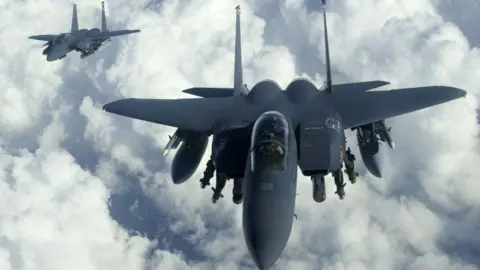
美军一架F-15和一架A-10战机在伊朗南部被击落,引发大规模搜救行动,美伊紧张局势急剧升级。
A US F-15 and A-10 are shot down over southern Iran, triggering a major search-and-rescue operation and sharply escalating tensions.
美国总统特朗普要求伊朗在周二晚前重新开放霍尔木兹海峡,否则将摧毁伊朗的电力及桥梁等民用基础设施。
President Trump sets a Tuesday deadline for Iran to reopen the Strait, threatening to destroy Iranian power plants and bridges.
俄罗斯和中国在联合国安理会否决了旨在重新开放霍尔木兹海峡的决议草案。
Russia and China veto a UN Security Council resolution aimed at restoring navigation in the Strait of Hormuz.
美伊在最后通牒到期前达成两周临时停火,德黑兰随后提出对过境船只收费的方案。
The US and Iran agree to a two-week ceasefire just before the deadline; Tehran subsequently proposes transit fees for ships.
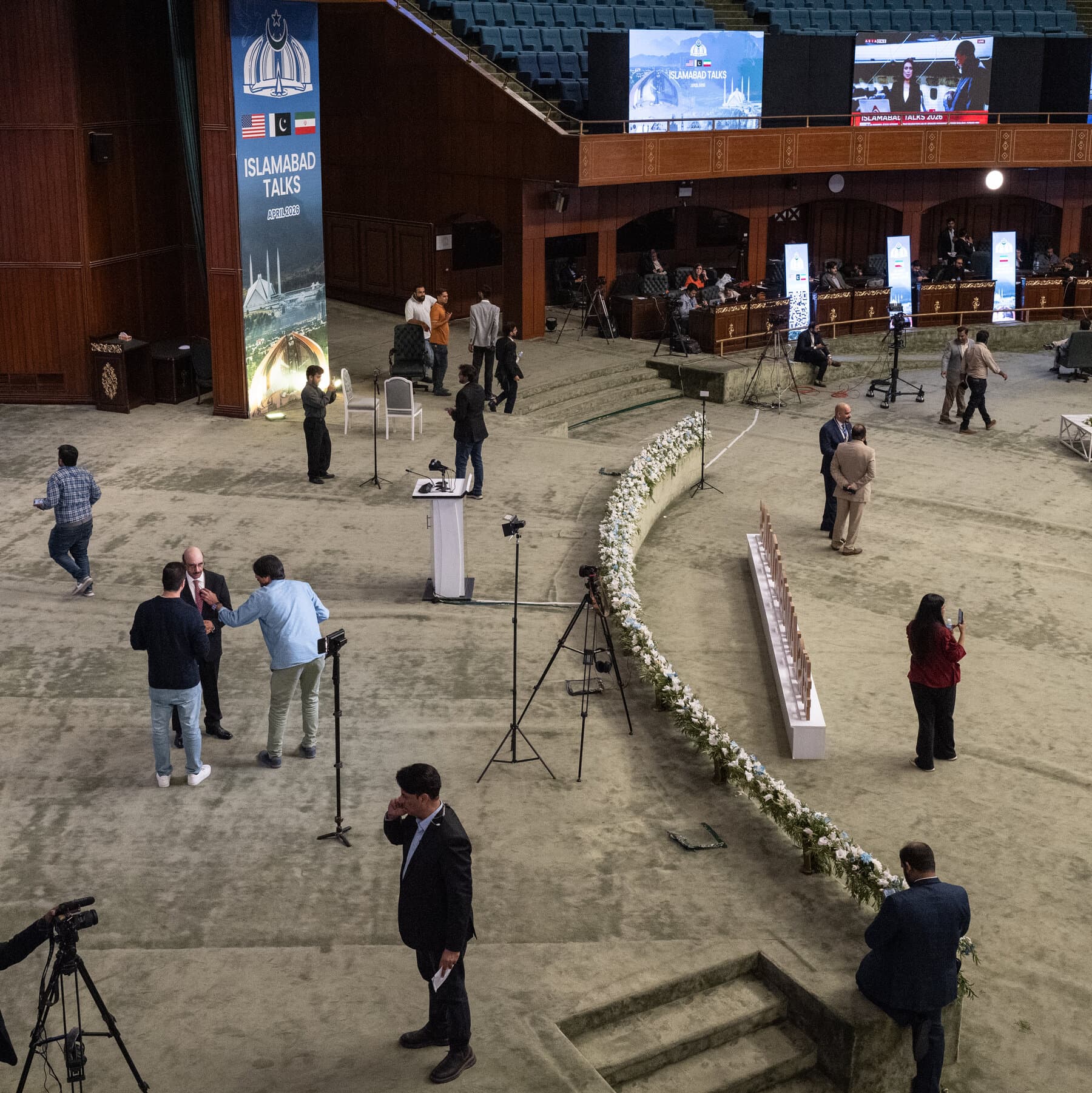
在巴基斯坦进行的21小时直接对话未能达成协议。特朗普随即宣布对伊朗实施海上封锁,油价飙升至103美元。
Direct talks in Pakistan fail after 21 hours. President Trump orders a naval blockade of Iran, sending oil prices past $103.
美国中央司令部确认全面切断伊朗海上贸易。伊朗寻求欧洲支持以应对封锁压力,美方则释放可能进行第二轮谈判的信号。
US Central Command confirms full implementation of the naval blockade. Iran seeks European support while the US signals a potential second round of talks.
01航运瘫痪与实时监测数据Shipping Paralysis and Real-Time Data
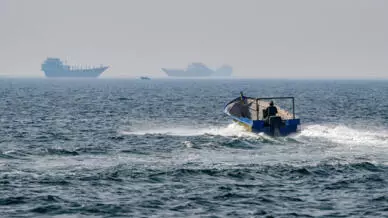
最新的海事追踪数据显示,霍尔木兹海峡的商业航运活动已降至历史冰点。在过去48小时内,原本繁忙的水道仅见零星船只通过。这种停滞状态不仅反映了物理封锁的有效性,也体现了航运公司对该区域安全风险的极度担忧。随着美国封锁措施的落实,原本在伊朗压力下艰难维持的航运活动现在几乎完全消失。监测机构指出,这种规模的交通中断在现代海事史上极为罕见,标志着全球能源大动脉的暂时性坏死。
Latest maritime tracking data indicates that commercial shipping activity in the Strait of Hormuz has dropped to historic lows. Over the past 48 hours, only sporadic vessel movements were recorded in what is typically one of the world's busiest channels. This state of paralysis reflects both the physical effectiveness of the blockades and the extreme risk aversion of shipping companies. With the implementation of US blockade measures, the residual traffic that had been struggling to persist under Iranian pressure has now almost entirely vanished. Monitoring agencies note that a disruption of this scale is exceedingly rare in modern maritime history, marking a temporary necrosis of a global energy artery.
02伊朗政权的战略杠杆转型Strategic Leverage of the Iranian Regime
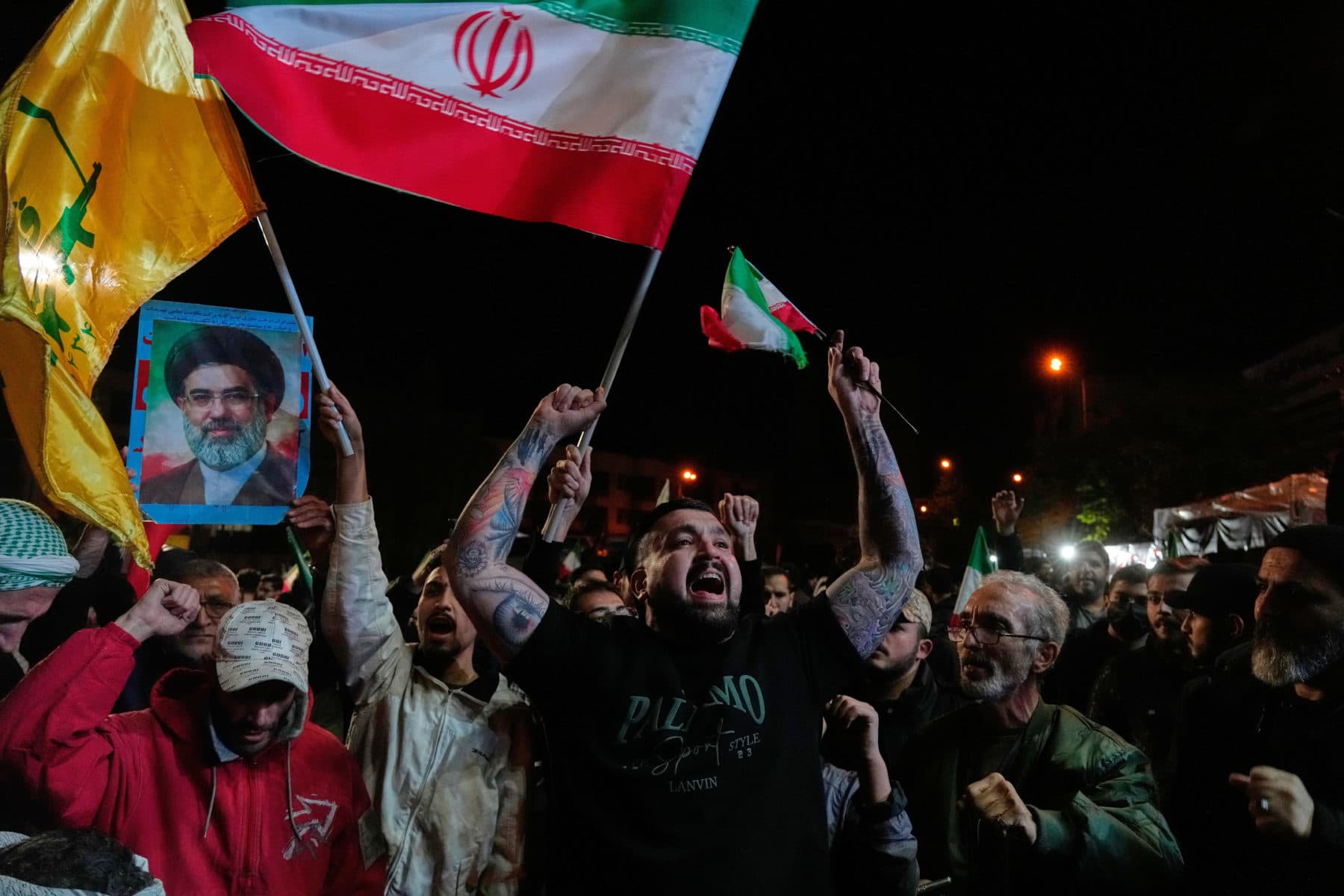
长期以来,伊朗政权一直将其资源集中于建立军事威慑力,以应对外部威胁。然而,当前的封锁局势表明,德黑兰已经意识到霍尔木兹海峡不仅是地理上的咽喉,更是其对全球政治施加影响的最强有力杠杆。通过展示其随时切断全球五分之一能源供应的能力,伊朗正在试图改变其在国际谈判中的地位。这种战略转型意味着伊朗不再仅仅寻求生存,而是通过控制全球经济命脉来主动塑造外部环境,将地缘政治压力转化为实质性的经济筹码。
For years, the Iranian regime has focused its resources on establishing military deterrence to counter external threats. However, the current blockade situation demonstrates that Tehran has recognized the Strait of Hormuz is not just a geographic choke point, but its most powerful lever for influencing global politics. By demonstrating its ability to sever a fifth of the world's energy supply at will, Iran is attempting to redefine its standing in international negotiations. This strategic transformation suggests that Iran is no longer merely seeking survival but is actively shaping its external environment by controlling a global economic lifeline, converting geopolitical pressure into tangible economic leverage.
03化肥危机与全球粮食安全风险Fertilizer Crisis and Global Food Security
霍尔木兹海峡的封锁不仅冲击了能源市场,其连锁反应已波及全球农业。由于化肥生产高度依赖石油类投入品,水道的关闭导致全球化肥价格大幅飙升。分析人士警告称,化肥成本的上涨可能促使各国停止粮食出口并增加国内囤积,从而进一步推高全球食品价格。这种从能源到化肥再到粮食的传导效应,使得霍尔木兹海峡的局势演变成了一场潜在的全球性人道主义与经济危机,影响范围远超波斯湾地区。
The blockade of the Strait of Hormuz has not only impacted energy markets but has also sent shockwaves through global agriculture. Since fertilizer production relies heavily on oil-based inputs, the closure of the waterway has caused global fertilizer prices to soar. Analysts warn that higher fertilizer costs may entice countries to halt food exports and increase domestic hoarding, further driving up global food prices. This transmission effect—from energy to fertilizer and then to food—has transformed the situation in the Strait of Hormuz into a potential global humanitarian and economic crisis, with impacts reaching far beyond the Persian Gulf region.
04能源市场的长期不确定性Long-term Uncertainty in Energy Markets
由于霍尔木兹海峡是原油和液化天然气(LNG)的主要出口通道,目前的封锁状态对全球能源市场构成了直接且持续的威胁。分析人士指出,随着美、以、伊三方在这一狭窄水道上的博弈加剧,国际能源价格的波动风险显著增加。目前,市场正密切关注封锁是否会长期化,以及是否有替代航线能够缓解当前的供应压力。然而,考虑到该海峡无可替代的地理位置,任何长期的中断都将迫使全球能源消费国重新审视其能源安全战略和对中东石油的依赖。
As the primary export route for crude oil and liquefied natural gas (LNG), the current blockade poses a direct and sustained threat to global energy markets. Analysts note that as the strategic maneuvering between the US, Israel, and Iran intensifies in this narrow waterway, the risk of international energy price volatility has increased significantly. The market is currently monitoring whether the blockade will become a long-term fixture and if alternative routes can alleviate the supply pressure. However, given the irreplaceable geographic position of the strait, any prolonged disruption will force global energy consumers to re-examine their energy security strategies and dependence on Middle Eastern oil.
05霍尔木兹海峡冲突核心参与方Key Actors in the Strait of Hormuz Conflict
展示在航运封锁与外交博弈中各主要政治实体的互动关系。
Illustrates the relationships between key political entities during the shipping blockade and diplomatic standoff.


11多源对比Source Comparison
同一事件下,不同媒体的标题与原文节选往往呈现不同关注点。这里汇总最核心的几条报道,方便快速交叉比对。
Coverage of the same event often emphasizes different angles. This view puts the most relevant reports side by side for quick cross-checking.
Between Tehran and Washington's blockades of the Strait of Hormuz, the number of ships passing through the critical wate...
未抓取全文,仅显示标题与来源。No full text was available, so only the headline and source are shown.