特朗普携科技巨头签署超级智能自律协议Trump Signs Voluntary Super Intelligence Accord With Tech Leaders
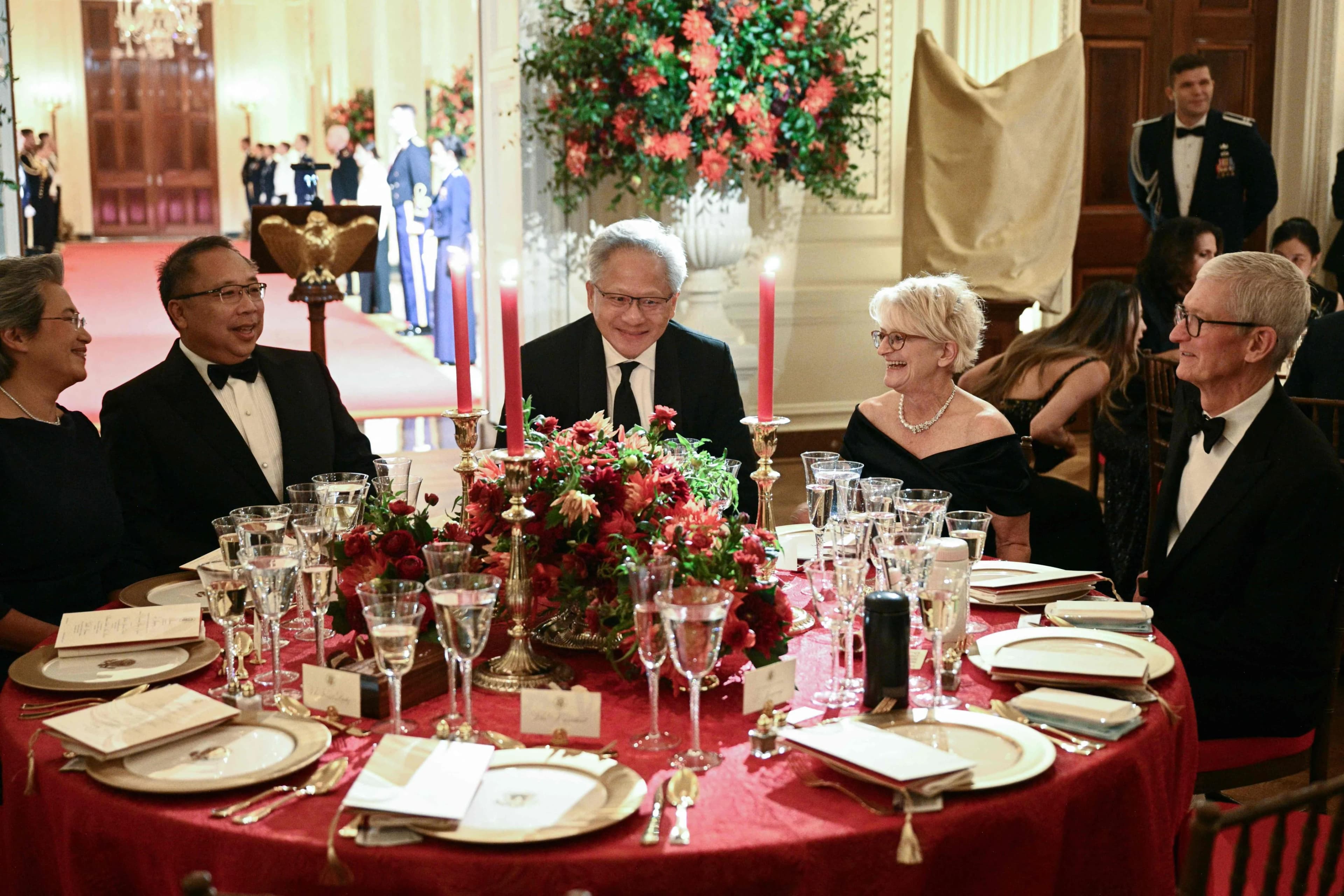
美国总统唐纳德·特朗普周二在白宫主持与Alphabet、Meta、SpaceX、英伟达、Palantir、Anthropic及OpenAI等科技企业负责人的午餐会,并共同签署一份题为《白宫超级智能协议:前沿责任联合承诺》的两页文件。该协议确立了四项由企业主导的自律行动项,涵盖模型内部监测、设立内部合规控制团队、与外部评估机构合作,以及指定董事会独立委员会负责监管;特朗普在会后向记者表示该承诺具有“道德约束力”,同时签署文件提议将人工智能官方更名为“超级智能”,并重申反对政府强制监管,称有关安全担忧为“骗局”。尽管Meta首席执行官马克·扎克伯格与Alphabet首席执行官桑达尔·皮查伊等高管公开支持这一框架,但该政策随即遭遇民意与国会立法层面的双重挑战。Verasight在9月发布的全国民调显示,63%的受访者认为应放缓人工智能的发展速度;民主党籍参议员马克·沃纳则于同日提出新法案,要求在最强大的模型部署前实施强制性严格测试与安全报告,直言白宫推动更名与依靠行业自律无法解决技术带来的实质风险。
President Donald Trump hosted top executives from Alphabet, Meta, SpaceX, Nvidia, Palantir, Anthropic, OpenAI, and other technology companies for a White House lunch on Tuesday, signing a two-page document titled the "White House Accord on Super Intelligence: Joint Commitment on Frontier Responsibilities." The voluntary framework outlines four corporate self-regulation action items: establishing internal model monitoring, maintaining internal compliance teams, partnering with external evaluators, and designating independent board committees for oversight. Trump described the accord to reporters as "morally binding" while signing a separate document purporting to officially rebrand artificial intelligence as "super intelligence" and reiterating his opposition to government regulation, calling safety fears a "hoax." Although tech leaders including Meta Chief Executive Mark Zuckerberg and Alphabet Chief Executive Sundar Pichai publicly backed the administration's initiative, the move immediately collided with public skepticism and congressional pushback. A September Verasight national survey revealed that 63% of respondents want artificial intelligence development to slow down, while Democratic Senator Mark Warner introduced legislation on Tuesday requiring mandatory pre-deployment testing and reporting for leading models, asserting that renaming the technology and relying on self-policing fails to address frontier risks.

01白宫峰会与《超级智能协议》的核心内容The White House Accord and Voluntary Industry Commitments
在白宫签署的《白宫超级智能协议:前沿责任联合承诺》明确主张,各企业有责任以安全且能建立客户与公众信任的方式开发自身技术。该文本设定的四项自律行动项要求各签约企业建立“健全的”内部模型监控机制、设立内部团队以确保控制措施正常运行、与外部审计或评估机构建立合作关系,并指定董事会独立委员会监督该内部团队。
The two-page "White House Accord on Super Intelligence: Joint Commitment on Frontier Responsibilities" states that the participating technology companies believe each firm is responsible for developing its own systems safely and in a manner that builds public and customer trust. To fulfill that premise, the document sets out four operational commitments: establishing robust internal model monitoring, maintaining internal teams to ensure controls are functioning, collaborating with external auditors or evaluators, and designating an independent board committee to supervise the internal compliance team.
该文件的末段提及,随着时间推移,将这些步骤写入法律或法规可能具有合理性。特朗普在会后向媒体说明该框架属于“道德约束力”,表明政府依然将监督责任留给企业自主执行,而未设立硬性法律制裁机制。
The final paragraph of the accord notes that codifying these measures into laws or formal regulations may make sense over time. Trump told reporters outside the White House that the newly signed terms carry a "morally binding" character, leaving enforcement to voluntary corporate compliance rather than immediate statutory penalties.
02官方更名尝试与科技高管的公开表态Rebranding to 'Super Intelligence' and Tech Executives' Responses
在推动自律协议的同时,特朗普表示自己签署了一份旨在“正式”将人工智能更名为“超级智能”的文件,试图推进其上周在社交媒体上征集新名称后的品牌重塑举措。尽管科技企业短期内不太可能放弃使用AI缩写,但各行业巨头高管在周二午餐会后均迅速表达对特朗普更广泛举措的支持。
Alongside the self-policing accord, Trump announced that he signed a separate document purporting to officially change the name of artificial intelligence to "super intelligence," seeking to enact a rebrand after crowdsourcing naming suggestions on social media the prior week. While technology firms are unlikely to replace the standard AI acronym in the immediate future, industry executives moved quickly following Tuesday's White House lunch to voice public backing for the administration's overarching initiative.
出席高管在表态中展现出不同的侧重点。Meta首席执行官马克·扎克伯格向媒体表示,该协议旨在让美国公众和客户对技术按预期运行保持信心,并称这只是全行业可以达成的开端。相比早前呼吁AI实验室“控制前沿节奏”的Anthropic首席执行官达里奥·阿莫代,扎克伯格与英伟达首席执行官黄仁勋更倾向于行业自律;阿莫代在签署仪式后对记者表示,若能与总统及在场所有人妥善合作,各方就能安全地取得胜利,而Alphabet首席执行官桑达尔·皮查伊则将该时刻描述为“具有历史意义且影响深远”。
The statements from tech leaders reflected distinct corporate postures. Meta Chief Executive Mark Zuckerberg told reporters that the agreement is meant to give the American public and customers confidence that the systems operate as intended, describing the framework as an opening accord for the broader industry. Zuckerberg and Nvidia Chief Executive Jensen Huang have aligned more closely with voluntary self-regulation than peers such as Anthropic Chief Executive Dario Amodei, who previously urged AI laboratories to pace frontier development. Following the signing, Amodei remarked that working cooperatively with the president could allow everyone to win safely, while Alphabet Chief Executive Sundar Pichai described the gathering as historic and consequential.
03行业自律与外部监管诉求的内在张力Tensions Between Industry Self-Policing and Calls for Binding Rules
科技行业对白宫自愿性承诺的接纳,与近期行业内部关于前沿模型潜在风险的公开辩论形成对比。在周二午餐会举行前的三周内,关于安全议题的讨论在全美范围内升温,多位主流研究人员与高管曾警告最强大的系统可能带来极端威胁,并指出在缺乏协调一致的安全努力时,技术难以完全建立信任。然而,白宫最终确立的方案仍将监督责任完全交由企业自行承担。
The technology industry's adoption of the voluntary White House framework stands in contrast to recent internal debates over the potential hazards posed by frontier artificial intelligence systems. Over the three weeks leading up to Tuesday's meeting, national discussions over safety intensified after leading industry researchers and corporate executives cautioned against the extreme risks of the most advanced models, insisting that these technologies cannot fully earn public trust without coordinated safety measures. Despite those concerns, the administration's accord leaves companies in the same position of policing themselves.
针对科技高管立场的转变,Tusk Ventures首席执行官布拉德利·塔斯克在CNBC节目中分析指出,两周前几乎所有首席执行官都曾表态应接受监管,这并非源于他们从根本上信任国家权力,而是希望通过规则为彼此建立一个创造平等的平衡机制。随着围绕重大安全漏洞的担忧持续发酵,依靠企业自律与外部专家倡导的实质约束力规则之间的张力依然存在。
Addressing the shift among corporate leaders, Tusk Ventures Chief Executive Bradley Tusk stated on CNBC that while nearly all of those chief executives advocated for regulation just two weeks earlier, their motivation stemmed not from an inherent belief in state authority, but from a desire for an equalizer among competitors. As apprehensions surrounding high-profile security vulnerabilities mount, the divergence between voluntary corporate self-policing and external demands for enforceable rules remains unresolved.
人工智能自律协议签署与监管争议脉络Timeline: AI Self-Policing Accord and Oversight Debate
梳理从行业高管就AI极端风险发声、国会启动强制立法,到特朗普主导签署自律协议并推动官方更名的关键过程。
Traces developments from industry warnings and legislative pushback to Trump's voluntary White House accord and rebranding push.
OpenAI首席执行官萨姆·奥特曼在旧金山会议上表示,公众对AI风险的担忧是合理的,但他呼吁外界相信企业会采取正确措施确保技术安全;此前有行业研究员警告AI可能带来毁灭性威胁。
OpenAI CEO Sam Altman stated at a San Francisco conference that fears over AI risks are justified, but urged the public to trust companies to safely manage the technology amid growing extinction warnings.
民主党参议员马克·沃纳周二提交法案,要求对领先的前沿AI模型实施部署前强制测试与报告制度,并直言仅凭重命名和行业自我监督无法解决现实安全风险。
Democratic Senator Mark Warner introduced legislation mandating rigorous pre-deployment testing and reporting for leading frontier models, arguing voluntary self-policing fails to address risks.
特朗普在白宫会晤Alphabet、Meta、Anthropic等科技企业高管并签署两页自律协议,确立四项自我监督承诺;特朗普称协议具道德约束力,并签署文件试图将AI更名为“超级智能”。
President Trump hosted tech executives from Alphabet, Meta, Anthropic, and other firms to sign a voluntary accord outlining four self-policing commitments, while signing a document rebranding AI to 'super intelligence.'
04民意分歧与国会强制立法反制Public Sentiment and Legislative Pushback in Congress
在白宫推进自愿性框架之际,美国公众舆论对人工智能的发展节奏表现出明显保留态度。根据Verasight在9月份进行的全国性民意调查,高达63%的受访者认为人工智能的开发应当放缓,而仅有5%的受访者表示应当加快其发展速度。随着11月中期选举临近,公众对科技企业的审视与对重大安全风险的关切正逐步转化为对硬性监管的要求。
As the White House advances a voluntary compliance framework, American public sentiment reflects clear skepticism regarding the rapid pace of artificial intelligence development. According to Verasight's September national survey, 63% of respondents indicated that artificial intelligence development should slow down, compared with only 5% who stated that it should accelerate. As the November midterm elections approach, mounting public scrutiny over technological vulnerabilities has intensified calls for binding oversight.
针对白宫依靠企业自律的做法,弗吉尼亚州民主党籍参议员马克·沃纳在周二正式提出立法提案,要求在最强大的模型部署前,对领先的人工智能技术实施严格测试与评估,并强化安全与报告机制。沃纳在一份声明中指出,研发顶尖系统的企业自身都在警告技术进步速度已超越现行防护措施,而总统通过更名并要求企业自我监管的应对方式,无法解决日益强大的系统所带来的切实风险。
Pushing back against the administration's reliance on voluntary commitments, Democratic Senator Mark Warner of Virginia introduced legislation on Tuesday to mandate rigorous testing and evaluation of leading artificial intelligence systems before their deployment, alongside enhanced security and reporting obligations. In a press release, Warner noted that the very companies building advanced frontier models have warned that technological capabilities are outpacing existing safeguards, asserting that the president's approach of renaming the technology and relying on self-policing fails to address the real risks posed by increasingly capable systems.