韩国要求乌克兰就公开移交朝鲜战俘道歉并警告将采取应对措施South Korea Demands Ukraine Apologize Over North Korean POW Disclosure
韩国总统李在明于2026年10月2日要求乌克兰就公开移交两名朝鲜战俘一事作出公开道歉,并警告若乌方继续拒绝承认事实并道歉,韩国将采取额外措施。乌克兰总统泽连斯基此前于9月23日在联合国大会演讲中公开披露,乌方已将两名在俄罗斯库尔斯克地区俘虏且希望定居韩国的朝鲜士兵移交首尔。该言论引发首尔强烈抗议并召见乌克兰外交官,韩国政府指责乌方单方面公开信息违反了双边保密协议,危及战俘及其留朝家属的人身安全,且乌方官员事后否认存在保密协议的做法损害了韩国国家荣誉。乌克兰外长西比加则将该起争端定性为双方期望化解的“外交误解”,同时韩国情报部门向议员报告称乌方公开披露可能旨在争取首尔提供防空系统等军事援助。首尔方面此前向乌克兰提供了人道主义援助,但一直未同意向基辅提供防空系统等武器支持。
South Korean President Lee Jae Myung demanded a public apology from Ukraine on October 2, 2026, warning that Seoul will take additional measures if Kyiv continues to refuse to acknowledge facts regarding the transfer of two North Korean prisoners of war. The diplomatic dispute began after Ukrainian President Volodymyr Zelenskyy disclosed in a September 23 United Nations General Assembly address that Kyiv had sent two North Korean soldiers, captured in Russia's Kursk region, to South Korea after they expressed a desire to resettle there. South Korea quickly summoned Ukrainian diplomats, stating that Kyiv breached a confidentiality agreement meant to protect the prisoners and their families who remain in North Korea, while noting that Ukrainian denials of any secrecy pact damaged South Korea's national honor. Ukrainian Foreign Minister Andrii Sybiha sought to de-escalate the dispute by characterizing it as a diplomatic misunderstanding that Kyiv expects to resolve, as South Korean intelligence officials briefed lawmakers that Ukraine's disclosure may have sought to build pressure on Seoul to provide military assistance, including air defense systems that South Korea has withheld despite supplying humanitarian aid.
01联大披露引发外交风波:韩国要求乌方公开道歉UNGA Disclosure Sparks Diplomatic Rift: Seoul Demands Kyiv's Public Apology
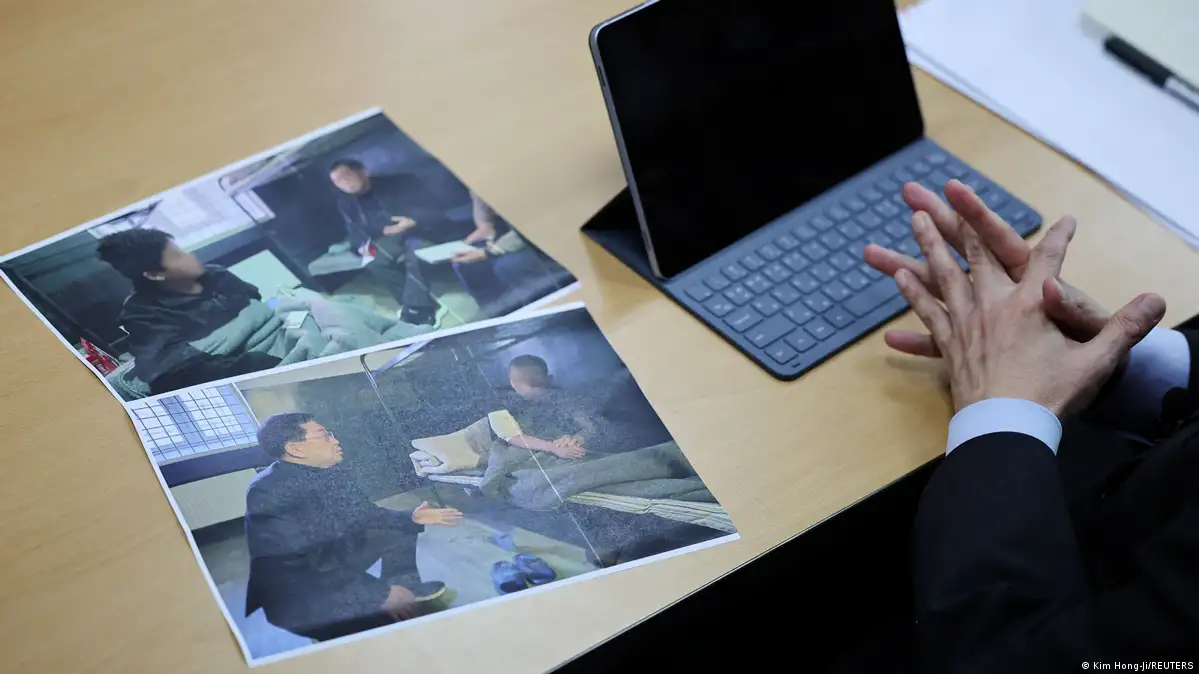
乌克兰总统泽连斯基在联合国大会演讲中提及,乌军于2025年1月在俄罗斯库尔斯克地区作战时俘虏了朝鲜士兵,近期已将表达定居意愿的两名朝鲜战俘移交给大韩民国。韩国外交部对此迅速作出反应,召见乌克兰驻韩国大使安德里·维埃什金并要求乌方就单方面公开移交一事作出解释与正式道歉。
Ukrainian President Volodymyr Zelenskyy disclosed in his speech to the UN General Assembly that Ukrainian forces had captured North Korean soldiers while fighting in Russia's Kursk region in January 2025 and recently sent two of them to the Republic of Korea after they expressed a wish to resettle there. South Korea's Foreign Ministry reacted quickly by summoning Ukraine's ambassador to Seoul, Andrii Vieshkin, to demand an official explanation and a formal apology for what Seoul characterized as a unilateral disclosure of the transfer.
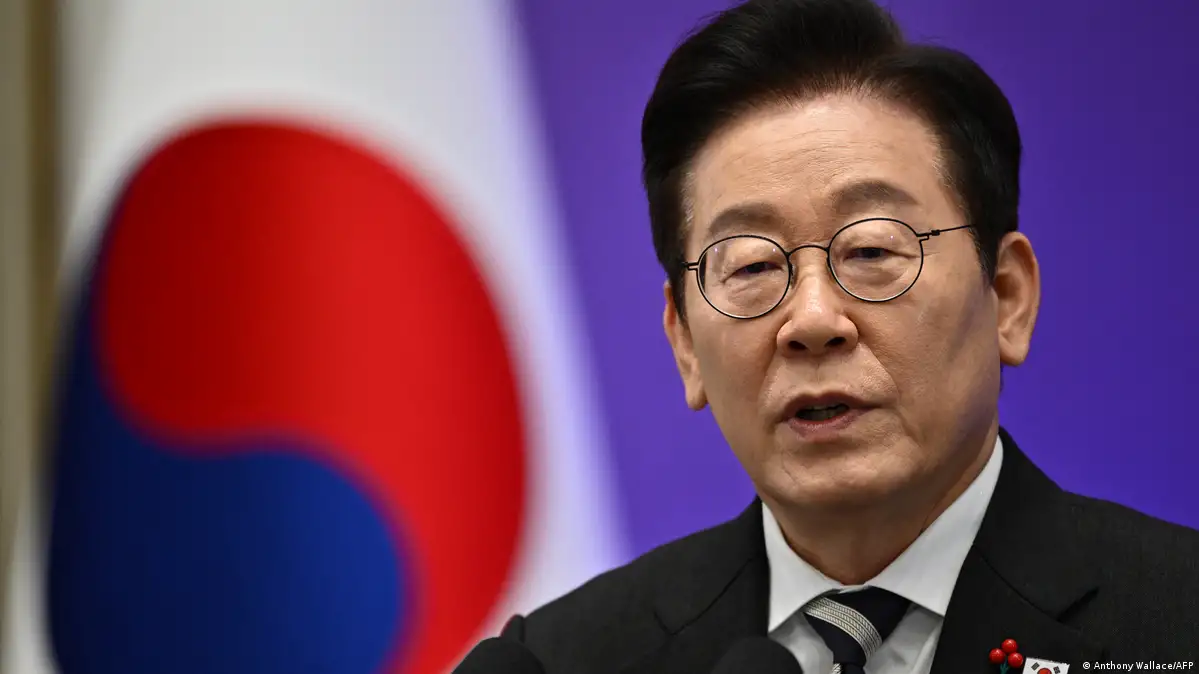
韩国总统李在明随后在社交媒体平台X上发文指出,朝鲜战俘移交属于涉及朝鲜半岛外交与国家安全的高度敏感议题。他表示乌克兰单方面披露信息并在事后否认曾达成保密协议,使韩国领导人形象受损,属于关乎大韩民国国民与国家荣誉的事件,因此韩方无法对此置之不理。李在明明确警告,若乌方持续拒绝承认事实并公开道歉,韩国将采取额外措施。
South Korean President Lee Jae Myung subsequently addressed the issue on the social media platform X, stating that the transfer of North Korean prisoners of war is a sensitive matter with wide-ranging consequences for diplomacy and national security on the Korean Peninsula. Lee said Kyiv's unilateral announcement and subsequent denial of any secrecy agreement harmed his standing by making him appear untruthful, adding that the country cannot overlook a situation affecting the honor of the South Korean nation and its people. He warned that Seoul will proceed with additional measures if Ukraine continues to refuse to acknowledge the facts and provide a public apology.
02关于保密协议的争议与安全风险考量Dispute Over Confidentiality Agreement and POW Safety Concerns
针对韩国方面的抗议,乌克兰总统府发言人德米特罗·利特温在社交媒体上表示,两国之间根本不存在所谓的保密协议,并认为对外隐瞒战俘移交目的地的做法并不正确。此番言论迅速招致韩国总统府发言人金成完的反驳。金成完称乌方的否认不符合事实,并指出乌克兰此前之所以主动提出保密要求,是出于乌国内舆论考量,担心若未能用这批朝鲜战俘换回被俄方关押的乌军士兵,可能在乌克兰本土招致舆论批评。
In response to Seoul's protests, Ukrainian presidential spokesperson Dmytro Lytvyn wrote on Facebook that no confidentiality agreement existed between the two nations, adding that it was wrong to keep the destination of such transferred prisoners secret. South Korean presidential spokesperson Kim Sung-wan contested Lytvyn's statement as false, asserting that Ukraine had originally requested confidentiality out of concern over potential domestic criticism if the North Korean prisoners were not exchanged for Ukrainian soldiers held in Russian captivity.
韩国政府进一步说明,首尔方面之所以同意对战俘移交予以保密,一方面是基于外交层面的考量,另一方面更在于保护这两名朝鲜士兵及其仍生活在朝鲜境内的家属人身安全。首尔方面警告,公开披露相关信息可能导致留朝家属面临平壤当局的报复威胁。首尔官员亦指出,乌方最初要求保密是因为该事件可能对乌俄战俘交换产生消极作用,但乌方随后的单方面公开与否认表态让双边协商陷入严重分歧。
The South Korean government explained that Seoul consented to the secrecy arrangement for diplomatic reasons and to safeguard the physical safety of the two soldiers and their relatives who remain in North Korea. Seoul officials warned that public disclosures could expose these family members to punitive actions by authorities in Pyongyang. South Korean representatives added that Ukraine had initially sought confidentiality because the transfer could complicate sensitive prisoner swaps with Moscow, making Kyiv's subsequent public announcement and denial of the pact a core source of bilateral dispute.
朝鲜战俘移交争议与韩乌外交风波Timeline of South Korea-Ukraine Dispute Over North Korean POWs
梳理乌克兰向韩国移交朝鲜战俘及公开披露引发两国重大外交争端的发展脉络。
Traces the escalation of the diplomatic row between Seoul and Kyiv over the disclosure of North Korean POW transfers.
乌克兰军队在俄罗斯库尔斯克地区的战斗中俘获朝鲜士兵。据乌方后来披露,其中两名战俘随后表达了定居韩国的意愿。
Ukrainian forces captured North Korean soldiers fighting in Russia's Kursk region. According to Kyiv, two of the prisoners expressed a wish to resettle in South Korea.
乌克兰总统泽连斯基在联合国大会演讲中披露已将两名朝鲜战俘移交韩国。韩国外交部随后召见乌克兰外交官,指责乌方单方面公开移交违反保密约定并要求道歉。
Ukrainian President Volodymyr Zelenskyy disclosed at the UN General Assembly that Kyiv had sent two North Korean POWs to South Korea. Seoul summoned Ukraine's envoy, alleging a breach of a confidentiality pact.
乌克兰外长瑟比加表示,两国围绕移交战俘的争端属于外交误会,乌方期望加以化解。他强调韩国仍是乌克兰的重要合作伙伴。
Ukrainian Foreign Minister Andrii Sybiha sought to de-escalate tensions, describing the dispute as a diplomatic misunderstanding that Kyiv expects to resolve, noting Seoul remains an important partner.
韩国总统李在明在社交平台发文,谴责乌方单方面披露战俘移交并否认保密协议,损害韩国国家荣誉。他要求乌方公开道歉,并警告若不承认事实将采取追加应对措施。
South Korean President Lee Jae Myung demanded a public apology from Ukraine for revealing the prisoner transfer and denying the secrecy agreement, warning of additional measures if Kyiv refuses to acknowledge facts.
03乌克兰外交降温表态与首尔对涉半岛言论的强烈反应Kyiv's Attempt to De-escalate and Seoul's Reaction to Peninsula Conflict Rhetoric
在双边关系趋紧之际,乌克兰外长西比加于10月1日试图缓和气氛。据乌克兰媒体报道,西比加向记者表示不愿将此事定性为冲突事件,更倾向于视为一场两国期望化解的“外交误解”。他强调韩国对乌克兰而言是重要国家,乌方高度期望保持合作势头并取得务实成果。
Ukrainian Foreign Minister Andrii Sybiha attempted to ease tensions on October 1, telling journalists that he preferred to describe the row as a diplomatic misunderstanding rather than an incident, according to Ukrainian media reports. Sybiha emphasized that South Korea remains an important partner for Ukraine, adding that Kyiv hopes to resolve the issue, maintain momentum in bilateral ties, and continue achieving concrete cooperative results with Seoul.
但首尔方面对乌克兰高级官员近期的言论表示强烈不满。李在明在10月2日发文指出,韩方要求乌方承认保密协议并道歉,但乌克兰方面反而谈及朝韩之间迫在眉睫的军事冲突,犹如在祈求朝鲜半岛爆发战争,韩方对此表达严重遗憾。此前,乌克兰总统府幕僚长基里洛·布达诺夫在受访中称朝鲜参战是为半岛实战做准备,并表示局势每天都在升级,发生引发失控后果的触发事件只是时间问题。
However, Seoul reacted sharply to separate rhetoric coming from senior Ukrainian officials regarding the security situation in East Asia. President Lee Jae Myung said on October 2 that when South Korea demanded an acknowledgement of the confidentiality pact and an apology, Ukrainian representatives instead spoke of an imminent military clash between North and South Korea, which he characterized as praying for war on the Korean Peninsula. Lee's criticism followed an interview by Ukrainian presidential chief of staff Kyrylo Budanov, who argued that North Korea's involvement in the Russia-Ukraine conflict serves as preparation for combat on the Korean Peninsula, adding on Telegram that the situation escalates daily and that an uncontrolled trigger event remains only a matter of time.
04双边互信赤字、军援诉求与韩国国内政治交织Trust Deficit, Military Aid Requests, and South Korean Domestic Dynamics
基辅“新欧洲中心”亚太问题专家纳塔利娅·布特尔斯卡指出,乌克兰与韩国之间缺乏持续且建立在信任基础上的沟通对话,尤其在首尔现任政府执政期间。她表示,鉴于朝鲜直接对乌克兰作战,两国本应成为并肩协作的天然伙伴,但缺乏互信阻碍了这一关系的建立。布特尔斯卡还提及,俄罗斯通常对外国在押人员不感兴趣,但此前曾专门要求换回这两名朝鲜战俘,甚至一度出现长达六个月拒绝释放乌克兰战俘、坚持要求换回朝鲜士兵的情况。
Nataliya Butyrska, an Asia-Pacific expert at the Kyiv-based New Europe Center, observed that Ukraine and South Korea lack continuous, trust-based dialogue, particularly under Seoul's current administration. She noted that while the two nations should naturally stand shoulder to shoulder given North Korea's military involvement against Ukraine, the absence of mutual trust has hindered closer ties. Butyrska also pointed out that Moscow, which typically shows little interest in foreign captives, had specifically demanded the return of the two North Korean soldiers, refusing to release Ukrainian prisoners of war for a six-month period because it insisted on securing the North Koreans first.
事件在韩国国内同样引发了宪法与党派层面的激烈讨论。根据韩国宪法规定,朝鲜居民在法律上被视作大韩民国国民。韩国在野党议员质疑李在明政府为何起初同意隐瞒移交事宜,并指责李在明试图通过保密向朝鲜示好以缓和半岛局势。常驻乌克兰的韩国问题专家米科拉·波利舒克分析认为,李在明在此事发生后感到意外,正试图将部分责任转嫁给乌克兰,而战俘移交相关事实终究会被公之于众。
The prisoner transfer has also triggered domestic legal and political arguments within South Korea, where the constitution defines North Koreans as citizens of South Korea. South Korean opposition lawmakers have pressed the administration to explain why it initially agreed to keep the transfer quiet, accusing President Lee Jae Myung of seeking to curry favor with Pyongyang in pursuit of easing cross-border tensions. Mykola Polishchuk, a Ukraine-based Korea analyst, suggested that Lee was caught off guard by the public revelation and is now attempting to deflect responsibility onto Kyiv, arguing that the transfer would have become public knowledge eventually.