OECD公布2025年PISA结果:全球学生阅读与数学能力显著下滑OECD 2025 PISA Report Finds Sharp Global Drop in Student Reading and Math
经济合作与发展组织(OECD)于2026年9月8日发布了2025年国际学生评估项目(PISA)评估结果,涵盖91个国家和经济体的76万余名15岁学生。评估数据显示,全球青少年在阅读和数学领域的学术表现出现显著下滑,OECD成员国学生阅读平均分在2015年至2025年间下降了28分,数学平均分下降了22分,科学得分也下降了7分。此外,约29%的OECD国家15岁学生在阅读、数学和科学三门学科中均被评估为表现不佳。在阅读方面,OECD成员国平均得分下降25分,相当于损失超过一年的学习量,其中冰岛和斯洛文尼亚的跌幅超过50分,而全球仅有卡塔尔、文莱、柬埔寨、菲律宾和赞比亚五国的阅读成绩出现提升。在主要发达经济体中,德国学生各项成绩再创新低,阅读排名位列第24位,而阅读排名前六位则全部由亚洲国家占据。针对全球范围内的技能下滑,OECD指出人工智能(AI)的使用也是导致学生阅读能力减退的一个诱因,同时德国等10个国家内部超过50%的成绩差异源自校际分化,引发了对教育体系扩大社会不平等的担忧。
The Organization for Economic Co-operation and Development (OECD) published the results of the 2025 Program for International Student Assessment (PISA) on September 8, 2026, assessing more than 760,000 15-year-old students across 91 countries and economies. The study recorded a sharp worldwide downturn in student competencies, with OECD members seeing average reading scores fall by 28 points, math scores drop by 22 points, and science scores decline by 7 points between 2015 and 2025. Across the OECD, roughly 29% of 15-year-olds are now categorized as low performers across all three core subjects. The average OECD-wide reading score dropped by 25 points—a loss exceeding one year of regular learning progress—with Iceland and Slovenia recording decreases of more than 50 points, while only Qatar, Brunei, Cambodia, the Philippines, and Zambia achieved score gains. Asian countries secured the top six positions in reading, whereas Germany slid to 24th place following fresh declines across all subjects. In its evaluation of the drivers behind the decline, the OECD noted that the use of artificial intelligence has contributed to weakening student reading skills, while substantial school-to-school segmentation accounting for over 50% of performance variation in 10 countries continues to compound educational disparities.
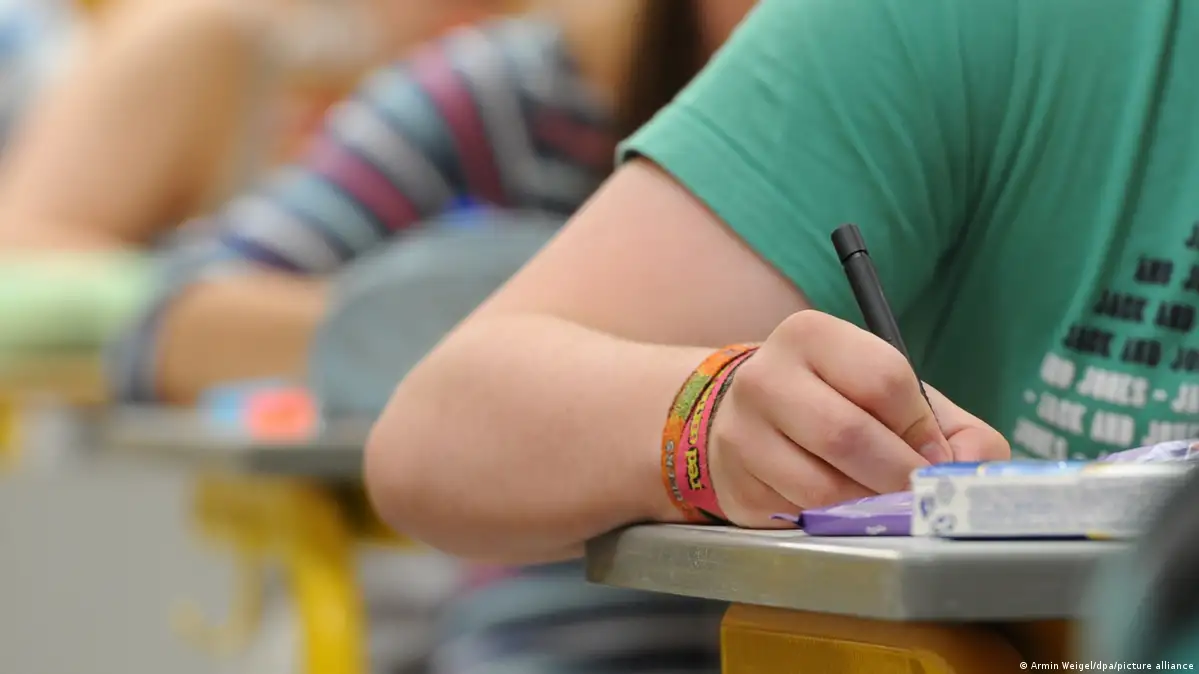
012025年PISA结果公布:全球学生多项技能明显下滑2025 PISA Results Released: Broad Declines Across Core Subjects
PISA项目自2000年首次实施以来,已成为评估全球基础教育表现的重要参考指标。该测试面向15岁学生,重点评估其在现实情境中应用阅读、数学和科学知识解决问题的实际能力,而非单纯考查对课本死记硬背的掌握程度。2025年的评估涵盖了来自91个国家和经济体的超过76万名学生,其中科学领域为本轮测试的核心关注方向。
Administered every three years since 2000, the Program for International Student Assessment evaluates how effectively 15-year-olds apply their competencies in reading, mathematics, and science to practical, real-world problems rather than testing rote classroom memorization. The 2025 assessment assessed over 760,000 students across 91 countries and economies, with science designated as the major domain of focus for this testing cycle.
评估数据显示,OECD成员国在2015年至2025年间的学术表现呈全面下行走势。除阅读和数学分别下降28分与22分外,OECD国家的科学平均分下降了7分,而非OECD参与经济体的科学表现则大体保持稳定。在非OECD经济体中,阅读平均得分下降16分,数学平均分下降8分。目前OECD成员国约有29%的学生在全部三门学科中被归类为“低表现者”,具体体现为无法从简单文本中提取关键信息、难以解读基础图表,或无法在日常购物情境中计算单价与总价关系。
The 2025 findings show widespread decade-long performance declines, particularly among the 38 advanced economies comprising the OECD. Between 2015 and 2025, OECD average scores declined by 28 points in reading, 22 points in mathematics, and seven points in science, while science scores across non-OECD participants remained broadly stable. In non-OECD systems, reading and mathematics marks fell by 16 points and eight points, respectively. Across OECD member states, roughly 29% of 15-year-olds are categorized as low performers in all three tested domains, struggling with foundational tasks such as retrieving basic facts from simple texts, deciphering simple charts, or determining price-per-unit calculations during daily grocery shopping.
02国别差异显著:多数国家下滑与少数逆势提升Country-by-Country Divergence: Severe Drops vs. Isolated Gains
在本次评估中,OECD成员国学生阅读表现的下滑幅度换算后具有明确的教学参照意义。根据PISA研究的测算标准,20分的成绩差距大致对应一整年的常规学业积累。OECD成员国学生阅读成绩平均下降25分,表明大部分15岁受试者的实际阅读水平已倒退至14岁学生的预期水平。在所有OECD成员国中,冰岛和斯洛文尼亚的退步最为突出,两国的阅读平均分均缩水超过50分,降幅折算后已超出两年以上的学习进度。
The scale of reading losses across OECD member states carries clear pedagogical consequences in the latest assessment. According to PISA measurement benchmarks, a difference of 20 score points roughly corresponds to an entire school year of standard academic learning. With average reading scores across OECD nations falling by 25 points, the findings imply that the majority of 15-year-old participants performed at competency levels typically expected of 14-year-olds. Among advanced OECD members, Iceland and Slovenia recorded the most severe contractions, with reading marks in both countries plunging by more than 50 points, representing a setback exceeding two full academic years.
与全球普遍走低的趋势相比,仅有五个国家的阅读成绩实现逆向增长。数据显示,赞比亚阅读得分提高50分,柬埔寨提高26分,菲律宾提升27分,文莱达鲁萨兰国上升18分,卡塔尔增加11分。尽管这五个国家的整体教育得分仍低于OECD平均水平,但研究特别肯定了其在国际普遍滑坡环境下取得的可测算进步。
Countering the broad downward trajectory seen worldwide, only five participating countries recorded gains in reading performance. Zambia led these improvements with a 50-point score rise, followed by the Philippines with an increase of 27 points, Cambodia up 26 points, Brunei Darussalam adding 18 points, and Qatar registering an 11-point gain. Although all five education systems continue to score below the overall OECD average, the study highlighted their measurable gains achieved despite the overarching international downturn.
03德国表现与学校分化加剧教育不平等风险Germany's Historic Lows and the Impact of School Segmentation
作为2000年首届PISA测试的31个参与国之一,德国当时因15岁学生成绩低于国际平均水平而引发国内震动。尽管在后续评估中历经起伏,但在2022年测试中跌至低点后,德国学生的各项学业成绩在2025年再次刷新历史新低。在2022年至2025年期间,德国学生的阅读平均分骤降15分,数学得分下滑11分,科学成绩也减少了7分,使该国在国际阅读排位中仅位居第24名,勉强维持在OECD平均水平之上。
Germany was one of 31 participating countries in the inaugural PISA assessment in 2000, when the discovery that its 15-year-olds scored below the international average triggered widespread domestic concern. After dropping to a previous low in the 2022 assessment cycle, German student marks fell even further in the 2025 study across all core subjects. Between 2022 and 2025, German reading scores plummeted by 15 points, mathematics scores fell by 11 points, and science scores dropped by seven points, leaving Germany in 24th place in reading and barely remaining above the overall OECD average.
除了整体分数的下滑,本轮评估还揭示了不同教育体系内部的结构性分化。在冰岛、柬埔寨和芬兰等国家,校际成绩差异极小,占总成绩差异的比例不足10%。而在德国等10个国家中,校际差异占到了总表现差异的50%以上。研究指出,这些国家通常将优质生源集中于特定选拔性学校,导致其他普通机构聚集了不成比例的大量低表现学生,使得学术分流与家庭社会背景相互叠加,对教育公平构成挑战。
Beyond national score averages, the 2025 findings highlighted sharp institutional differences across participating school systems. While countries such as Iceland, Cambodia, and Finland recorded minimal variation among individual schools—accounting for less than 10% of total student score differences—10 countries including Germany saw school-to-school differences account for at least 50% of overall variance. The assessment noted that systems with high institutional variance often concentrate high-achieving pupils into specialized institutions, leaving disproportionate shares of lower-performing students in other schools.
当这种学术分流与社会背景交织在一起时,它可能会加剧不平等,在产生局部卓越群体的同时,却未能确保整个教育系统实现一致的学习成果。
Where such academic segmentation compounds with social background, it can amplify inequalities, producing pockets of excellence while failing to ensure consistent learning outcomes across the education system as a whole.
PISA研究报告作者团队Authors of the PISA study presentation
04全球格局与驱动因素:亚洲领先与AI影响探讨Global Rankings and Contributing Factors: Asian Lead and AI Impact
在2025年PISA的全球阅读成绩排名中,亚洲国家展现出突出的领先地位,包揽了阅读技能榜单的前六位。相比之下,主要欧美经济体的排名相对分散:美国在阅读排位中名列第13位,波兰位居第14位,土耳其位居第18位,而德国则排在第24位。尽管决策者曾寄望于随着新冠疫情的影响逐渐消退,全球学生的学业成绩能够在2022年测试骤降后迎来反弹,但最新公布的数据表明各学科下滑态势仍在蔓延。
In the 2025 PISA global reading rankings, Asian countries demonstrated substantial strength by sweeping the top six positions on the leaderboard. Major Western and OECD economies recorded more dispersed standings, with the United States placing 13th, Poland ranking 14th, Turkey occupying 18th place, and Germany trailing in 24th position. Education policymakers had anticipated that academic competencies might stage a recovery after the sharp drops recorded during the post-pandemic 2022 assessment cycle, yet the newly published dataset revealed persistent downward pressure across major domains.
除了体系结构与制度因素外,外部技术环境的变化也受到关注。针对全球青少年阅读技能的整体走低,经济合作与发展组织指出,人工智能(AI)工具的广泛使用是导致学生阅读能力持续减退的一个具体诱因。随着数字化工具介入日常学习,学生对复杂文本深度理解与自主检索能力的削弱,正逐渐演变为各国教育政策制定者面临的共同挑战。
Beyond institutional segmentation within individual school systems, external technological shifts have emerged as a significant factor. In its analysis of the worldwide contraction in literacy performance, the OECD identified the widespread use of artificial intelligence as a contributing driver behind the declining reading capabilities of 15-year-old students, presenting fresh pedagogical challenges for education authorities globally.