拉脱维亚执政党创纪录赢得大选,库尔伯格斯将组建亲乌联合政府Latvia's Ruling United List Wins Record Election Victory, Kulbergs Set to Form Pro-Ukraine Coalition
拉脱维亚总理安德里斯·库尔伯格斯领导的中间派联合名单党在议会选举中赢得创纪录的42个议会席位,得票率达35.3%,创下该国自1991年脱离苏联独立以来议会选举的最大胜选纪录。这一投票结果使5月上任的库尔伯格斯处于组建新一届亲乌克兰执政联盟的有利位置。在计票接近完成之际,民粹主义政党同样获得明显增长,拉脱维亚第一党以11.3%的得票率位居第二并夺得17席,主打生活成本议题且反对援乌的主权权力党以15席名列第三。库尔伯格斯在选后明确排除了与拉脱维亚第一党及任何亲俄政党合作的可能性,预计将与民族联盟或进步党等潜在盟友商讨多数席位政府的组建。选民在此次投票中主要权衡了来自邻国俄罗斯的安全压力与国内通胀、低薪资及医疗体系负担等现实诉求。选举期间,德国应拉脱维亚请求部署了4架欧洲战斗机巡护其领空,新政府的组建进程将直接关系到拉脱维亚维持占国内生产总值5%的国防开支承诺以及支持乌克兰的外交政策路线。
Latvian Prime Minister Andris Kulbergs is positioned to retain power and form a new pro-Ukraine coalition after his centrist United List won 35.3% of the vote and 42 of 100 parliamentary seats, marking the country's largest election victory since regaining independence in 1991. The decisive outcome strengthens Kulbergs's mandate following an election shaped by security concerns over neighboring Russia and domestic economic strains including rising living costs, low wages, and healthcare pressures. Populist parties also made substantial gains, with Latvia First placing second at 11.3% to secure 17 seats, and the right-wing Sovereign Power party winning 15 seats after campaigning on living costs and opposing military aid to Ukraine. Kulbergs explicitly ruled out entering any coalition with Latvia First or other pro-Russian groups, leaving the prime minister to pursue a governing majority with potential partners such as the National Alliance or the Progressives. The coalition negotiations will determine the leadership of the Baltic state as it maintains a statutory commitment to spend at least 5% of GDP on defense and continues firm backing for European and NATO security priorities.
01联合名单党创纪录胜选与库尔伯格斯的执政前景United List's Record Victory and Kulbergs's Mandate
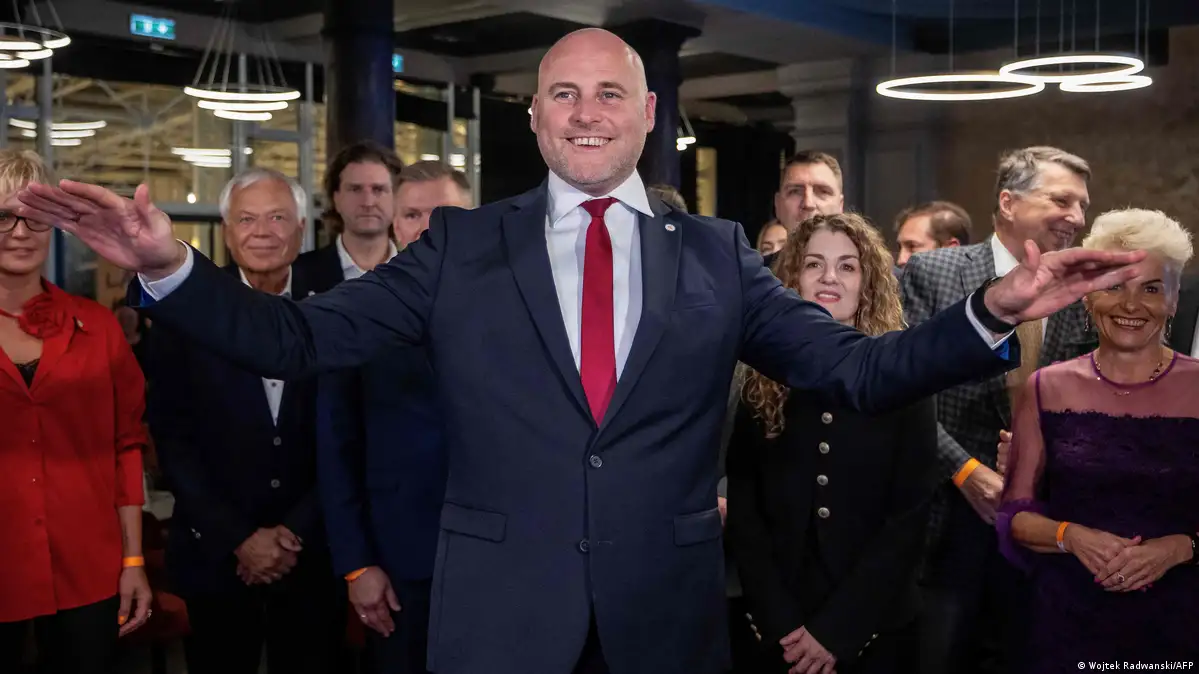
计票进度达到97%时,拉脱维亚中间派联合名单党确定获得35.3%的选票与100个议会席位中的42席,成为拉脱维亚自1991年脱离苏联独立以来议会选举中斩获席位最多的政党。现年47岁的库尔伯格斯曾任电信及汽车行业高管,也是一名业余拉力车手。他在今年5月因前执政联盟处理乌克兰军用无人机入境事件引发瓦解后接任总理,并领导中右翼政府。
With 97% of ballots counted, the centrist United List secured 35.3% of the vote and 42 of 100 parliamentary seats, establishing the largest seat total for any single party in Latvia since the country regained independence from the Soviet Union in 1991. Prime Minister Andris Kulbergs, a 47-year-old former telecommunications and automotive manager as well as an amateur rally driver, assumed office in May leading a centre-right coalition following the collapse of the previous government over stray Ukrainian military drone incidents.
虽然联合名单党确立了明显的议会领先地位,但由于原执政联盟中的一个政党未能跨越5%的进入议会门槛,库尔伯格斯需要在新一届议会中重组执政伙伴。库尔伯格斯在出口民调公布后表示,选举结果的领先优势超出了他的预期,表明公众渴望经济增长与发展前景。作为北约与欧盟的外部门户,拉脱维亚政府表示将继续推进边境与经济建设。
The decisive election outcome provides Kulbergs with a solid foundation to retain power, though he must reconstruct his governing alliance after one of his previous coalition partners failed to cross the five-percent parliamentary threshold. Following exit polls indicating a substantial victory margin, Kulbergs observed that the result surpassed his expectations and reflected public demand for economic growth, noting that Latvia's position on the European Union's external border requires strong economic resilience and fortified border regions.
02民粹政党崛起与俄语少数族裔选民格局变动Rise of Populist Parties and Shifts in the Russian-Speaking Electorate
民粹主义政党在此次选举中取得了明显进展。由常被外界与美国前总统特朗普相提并论的房地产大亨领导的保守派拉脱维亚第一党,以11.3%的得票率位列第二,赢得17个议会席位,其得票份额相比2022年选举几乎翻倍。右翼主权权力党则以15个席位位列第三。主权权力党在竞选中聚焦生活成本问题,并反对向乌克兰提供军事援助及进一步增加国防预算,因而被批评者指责为亲俄政党。
Populist parties achieved notable gains in the election, led by the conservative Latvia First party, which is headed by a real estate developer frequently compared to Donald Trump. Latvia First secured second place with 11.3% of the vote and 17 parliamentary seats, nearly doubling its vote share from the 2022 parliamentary contest after actively courting the country's ethnic Russian minority. The right-wing Sovereign Power party finished in third place with 15 seats after breaking ranks with the political mainstream, focusing heavily on cost-of-living concerns while opposing military aid to Ukraine and additional defense spending increases.
两支民粹势力均受益于拉脱维亚俄语少数族裔投票倾向的结构性转移。俄语群体占该国人口的三分之一,过去长期支持曾在议会中占据最多席位的传统政党和谐党。然而,和谐党因被广泛视为亲克里姆林宫,在俄罗斯全面入侵乌克兰后举行的上一届选举中支持率急剧下滑。拉脱维亚第一党和主权权力党随后通过争取俄语群体、对莫斯科采取较温和口径以及主张与俄罗斯彻底经济脱钩将损害本国利益,成功吸纳了这部分选民支持。
Both populist factions capitalized on substantial shifts across the Russian-speaking minority, who make up approximately one-third of Latvia's population. These voters historically supported Harmony, previously the country's largest parliamentary party, before Harmony suffered a dramatic collapse in backing during the last election after being widely viewed as pro-Kremlin. Parties such as Latvia First and Sovereign Power absorbed these disaffected voters by adopting a less stringent line toward Moscow and arguing that a complete economic decoupling from Russia causes domestic economic harm.
03亲乌立场、国防开支与新联合政府组建路径Pro-Ukraine Alignment, Defense Commitments, and Coalition Options
在排除与亲俄阵营及拉脱维亚第一党合作后,库尔伯格斯将组建新内阁的谈判重点转向亲欧主流政党。政治学者罗伯茨·基茨分析指出,联合名单党能够与民族主义立场鲜明的民族联盟,或是偏左翼的进步党展开合作,从而在拥有100个席位的议会中构建起稳定的多数席位联盟。
Having ruled out any partnership with pro-Russian parties or Latvia First, Kulbergs is redirecting coalition efforts toward mainstream pro-European factions. Political scientist Roberts Kits noted that United List could secure a governing parliamentary majority by partnering with either the nationalist National Alliance or the left-leaning Progressives to control the 100-seat Saeima.
新联合政府预计将保持对乌克兰的坚定支持,并继续执行拉脱维亚在法律中明确设立的国防支出标准,即确保国防开支至少占国内生产总值的5%。作为基辅最坚定的支持者之一,拉脱维亚主要参选政党均认同维持与欧盟及北约高度一致的外交与安全政策,以抵御来自邻国俄罗斯的安全压力。
The prospective governing coalition is set to maintain firm backing for Ukraine and uphold Latvia's statutory mandate requiring defense spending to reach at least 5% of gross domestic product. As one of Kyiv's closest international partners, most major parties entering the new parliament remain aligned with the Baltic state's established European Union and NATO security framework to counter defense risks stemming from Russia.
04地缘安全阴影下的经济与社会民生挑战Economic Pressures and Social Challenges Amid Geopolitical Tensions
尽管国防与地缘安全占据了竞选讨论的核心位置,但拉脱维亚选民在日常生活中面临的经济与社会民生诉求同样显著。由于该国在法律上将国内生产总值的至少5%划拨给国防建设,政府在其他公共服务领域的财政空间受到压缩。许多民众反映面临高物价与低工资的压力,同时国内整体经济增长乏力,医疗保障体系长期处于高负荷运转状态,人口老龄化与人口外流也构成了长期的社会挑战。
While defense and national security dominated political discussions throughout the campaign, domestic economic strains and social pressures heavily influenced voter sentiment. With statutory defense spending mandated at a minimum of 5% of gross domestic product, available resources for other public services have been constrained. Many citizens continue to point to high consumer prices and low wage levels alongside sluggish economic expansion, persistent strains on the national healthcare system, and ongoing demographic challenges tied to population aging and emigration.
在与俄罗斯和白俄罗斯接壤的地理环境下,拉脱维亚将俄罗斯视为主要的安全挑战。波罗的海国家近月来持续提示俄罗斯在欧洲展开网络攻击、蓄意破坏等混合威胁活动。为了确保选举期间的安全防务,德国应拉脱维亚政府的请求,调派了4架欧洲战斗机进驻并巡护该国领空,协助维持波罗的海区域的领空安全防线。
Sharing borders with both Russia and Belarus, Latvia continues to treat Moscow as its primary security challenge. Baltic authorities have warned for months that Russia is carrying out cyberattacks, sabotage, and other hybrid operations across Europe to undermine backing for Ukraine. To protect domestic airspace during the vote, Germany deployed four Eurofighter jets in response to a direct request from Riga, reinforcing air defenses along NATO's eastern frontier.