日本内阁批准解除杀伤性武器出口禁令 标志战后和平政策重大转变Japan Scraps Ban on Lethal Weapons Exports in Major Shift of Postwar Pacifist Policy
日本政府于周二正式废除了针对杀伤性武器出口的长期禁令,这一举措标志着该国战后和平主义政策发生了重大转变。首相高市早苗(Sanae Takaichi)内阁批准了新的政策准则,旨在通过允许向国际市场销售先进军事装备来振兴日本的国防工业。此项决定是在日本面临日益复杂的地区安全挑战、特别是对周边军事活动担忧加剧的背景下做出的。新准则的通过,意味着日本研发的战舰、战斗无人机以及其他关键防御系统现在可以合法地出口给符合条件的国际伙伴。
Japan on Tuesday officially scrapped its long-standing ban on lethal weapons exports, a major change in its postwar pacifist policy as the country seeks to build up its arms industry amid growing regional security challenges. The approval by Prime Minister Sanae Takaichi's Cabinet of the new guidelines clears a final set of hurdles for many arms sales, including Japanese-developed warships and combat drones. This strategic pivot reflects Tokyo's commitment to accelerating its military buildup and modernizing its defense capabilities in response to shifting geopolitical dynamics in the Indo-Pacific region.
此次政策调整不仅是日本国防政策的内部转型,更是其全球战略布局的重要一步。通过解除出口限制,日本政府希望能够降低本土武器生产成本,同时通过技术共享和装备供应加强与盟友及友好国家的安全纽带。这一变动被视为日本在二战后首次真正意义上进入全球军贸市场,其影响将波及从东南亚到欧洲的多个防务合作领域。尽管此举在国内外仍存在关于和平宪法精神的讨论,但内阁的批准已为日本军工企业走向世界铺平了道路。
The policy shift is not merely an internal defense reorganization but a significant step in Japan's global strategic positioning. By lifting export restrictions, the government aims to reduce domestic production costs while strengthening security ties with allies and friendly nations through technology sharing and equipment supply. This move marks Japan's first substantive entry into the global arms market since World War II, with implications reaching defense sectors from Southeast Asia to Europe. While the decision continues to spark debate regarding the spirit of Japan's pacifist constitution, the Cabinet's approval has effectively paved the way for Japanese defense contractors to compete on the world stage.
高市早苗内阁的外交与国防政策演变Evolution of Takaichi Cabinet's Foreign and Defense Policy
展示高市早苗政府如何在中东危机背景下,从外交斡旋转向通过放宽武器出口来强化国防工业。
Shows how the Takaichi government shifted from diplomatic mediation to strengthening the defense industry via relaxed arms exports amid the Middle East crisis.
在日本放宽武器出口限制前,首相高市早苗曾积极寻求与伊朗领导人及特朗普对话,试图在美方最后通牒到期前缓解中东局势。
Before relaxing arms export curbs, PM Takaichi sought direct talks with Iranian leaders and Donald Trump to mediate the Middle East crisis before a U.S. deadline.
美伊在最后通牒前达成两周停火,但德黑兰提出对霍尔木兹海峡过境船只收费,局势依然脆弱。
A two-week ceasefire was reached just before the deadline, though Tehran's proposal for transit fees in the Strait of Hormuz kept the situation fragile.
美国中央司令部确认已切断伊朗90%经济来源的海上贸易,进一步加剧了地区安全压力。
U.S. Central Command confirmed a naval blockade cutting off 90% of Iran's maritime trade, intensifying regional security pressures.
伊朗伊斯兰革命卫队重新封锁霍尔木兹海峡并向油轮开火,标志着外交努力受挫,地区冲突风险达到新高。
The IRGC reimposed a closure of the Strait of Hormuz and fired on tankers, signaling a failure of diplomacy and a peak in regional conflict risk.
面对日益严峻的印太及全球安全挑战,高市早苗内阁正式批准出口战舰和无人机等杀伤性武器,标志着和平政策的重大转变。
In response to growing Indo-Pacific and global security challenges, the Takaichi Cabinet officially approved the export of lethal weapons like warships and drones.
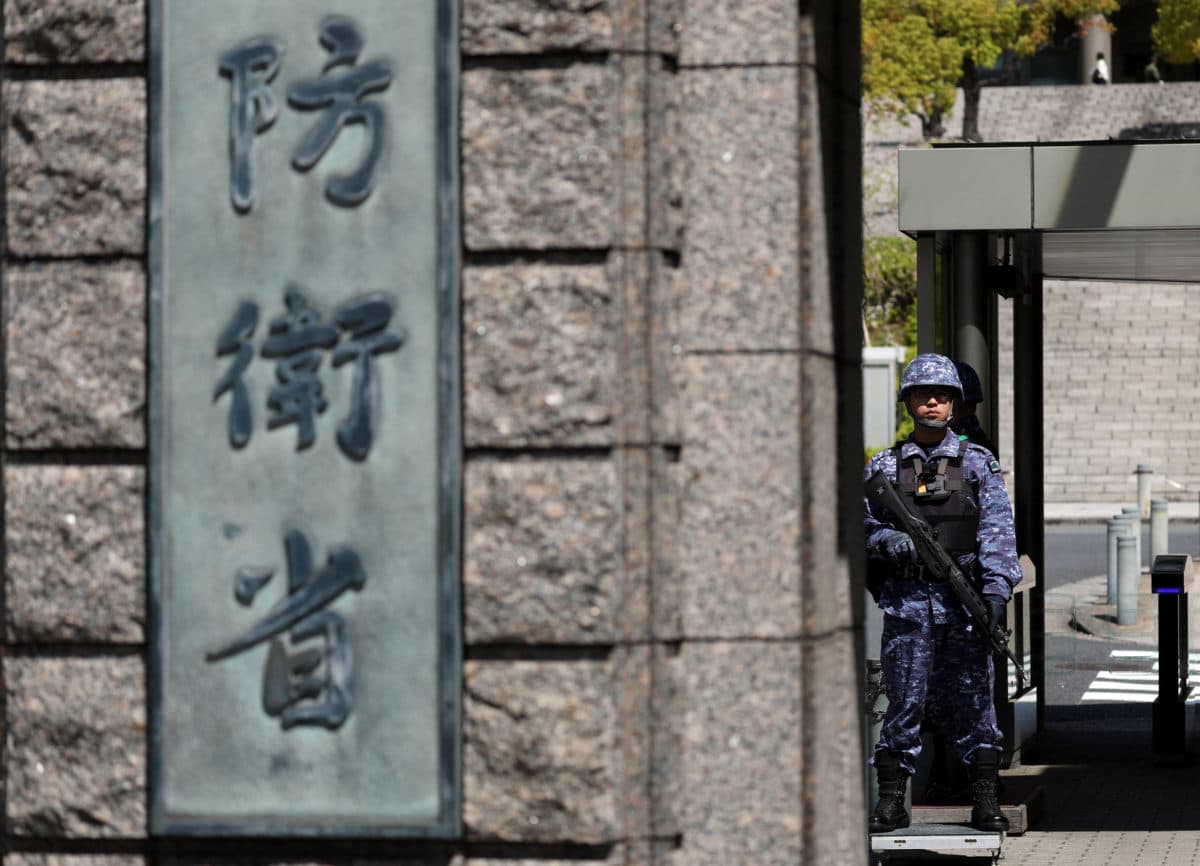
01政策核心与出口范围Policy Core and Export Scope
新批准的准则详细规定了日本可以向海外销售的军事装备类别。此前,日本的武器出口受到严格限制,主要仅限于非杀伤性装备或用于联合研发的零部件。现在,出口范围已扩大到包括完整系统的杀伤性武器。
The newly approved guidelines detail the categories of military equipment that Japan can now sell abroad. Previously, Japanese arms exports were strictly limited, primarily restricted to non-lethal equipment or components intended for joint development projects. Now, the scope has expanded to include full-system lethal weaponry.
- 日本自主研发的先进战舰和海上巡逻舰艇。
- 具备攻击能力的战斗无人机系统。
- 用于防空和反导任务的导弹拦截系统。
- Indigenously developed advanced warships and maritime patrol vessels.
- Combat drone systems with offensive capabilities.
- Missile interceptor systems for air and missile defense missions.
02国际反应与外交影响International Reaction and Diplomatic Impact
日本这一政策转变在国际社会引起了广泛关注,尤其是其主要的防务合作伙伴。美国和澳大利亚等国对日本在地区安全中承担更多责任表示支持,认为这有助于维护印太地区的稳定。美国驻日大使乔治·格拉斯(George Glass)在社交媒体上对这一决定表示赞赏,称其为加强双边安全合作的重要里程碑。
Japan's policy shift has garnered significant attention internationally, particularly among its key defense partners. Countries such as the United States and Australia have expressed support for Japan taking on more responsibility in regional security, viewing it as a contribution to stability in the Indo-Pacific. U.S. Ambassador to Japan George Glass praised the decision on social media, calling it a major milestone in strengthening bilateral security cooperation.
这一举措反映了日本在面对日益严峻的安全环境时,致力于成为一个更积极、更具能力的合作伙伴。
The move reflects Japan's commitment to being a more proactive and capable partner in the face of an increasingly challenging security environment.
乔治·格拉斯,美国驻日大使George Glass, U.S. Ambassador to Japan
03国防工业的经济与战略考量Economic and Strategic Considerations for Defense Industry
除了安全因素外,经济考量也是此次政策调整的核心驱动力。长期以来,由于缺乏海外市场,日本国防工业面临着生产规模小、单价高昂以及研发资金不足的困境。通过开放出口,日本希望能够实现规模经济,从而降低自卫队采购装备的成本,并刺激国内技术创新。
Beyond security factors, economic considerations are a core driver of this policy adjustment. For a long time, due to the lack of overseas markets, Japan's defense industry faced challenges such as small production scales, high unit costs, and insufficient R&D funding. By opening up exports, Japan hopes to achieve economies of scale, thereby reducing the cost of equipment procurement for the Self-Defense Forces and stimulating domestic technological innovation.
目前,东南亚和欧洲的一些国家已经对日本的防务装备表现出了浓厚兴趣。日本政府计划通过政府间协议(G2G)的方式,确保武器出口符合国际法及日本的和平理念,同时防止技术流向可能引发冲突的地区。这种平衡策略旨在既能促进工业增长,又不违背其作为和平国家的国际形象。
Currently, several countries in Southeast Asia and Europe have shown strong interest in Japanese defense equipment. The Japanese government plans to use government-to-government (G2G) agreements to ensure that arms exports comply with international law and Japan's pacifist principles, while preventing technology from flowing to regions where it might trigger conflict. This balancing strategy aims to promote industrial growth without compromising its international image as a peaceful nation.
08多源对比Source Comparison
同一事件下,不同媒体的标题与原文节选往往呈现不同关注点。这里汇总最核心的几条报道,方便快速交叉比对。
Coverage of the same event often emphasizes different angles. This view puts the most relevant reports side by side for quick cross-checking.
One of your browser extensions seems to be blocking the video player from loading.
TOKYO (AP) — Japan on Tuesday scrapped a ban on lethal weapons exports, a major change in its postwar pacifist policy as...