伊朗同意霍尔木兹海峡两周安全通行期,但航运业因停火协议脆弱仍持观望态度Iran Grants Two-Week Safe Passage in Strait of Hormuz as Shipping Industry Remains Wary
在美伊两国达成有条件停火协议后的24小时内,伊朗官方宣布已同意为穿越霍尔木兹海峡的船只提供为期两周的安全通行保障。这一决定被视为缓解地区紧张局势的重要一步,旨在恢复这一全球最关键石油航道的正常运作。然而,初步迹象显示,这一外交突破尚未转化为海上的实际流量恢复。根据最新的航运监测数据,由于船东对协议的持久性持怀疑态度,目前通过该海峡的船舶数量甚至出现了下降,而非预期的回升。
Within 24 hours of a conditional ceasefire agreement between the United States and Iran, Tehran announced it has agreed to a two-week window of safe passage for vessels traversing the Strait of Hormuz. This move is intended to de-escalate regional tensions and restore movement through one of the world's most vital oil transit points. However, early indications suggest that this diplomatic breakthrough has yet to translate into a resumption of maritime traffic. According to recent shipping data, the number of vessels traveling through the strait has actually decreased as shipowners remain skeptical about the durability of the agreement.
霍尔木兹海峡长期以来一直是美伊冲突的焦点,其安全性直接影响全球能源市场的稳定。尽管伊朗承诺了安全通行期,但航运公司普遍采取了“观望”策略。许多船只目前选择在安全水域停泊,拒绝靠近伊朗海岸线。这种谨慎态度反映了国际航运界对当前政治局势脆弱性的深刻担忧,他们担心任何微小的挑衅或误判都可能导致停火协议瞬间崩塌,从而使处于海峡中的船只面临被扣押或攻击的风险。
The Strait of Hormuz has long been a flashpoint in the conflict between the U.S. and Iran, with its security directly impacting the stability of global energy markets. Despite Iran's pledge of safe passage, shipping companies are largely adopting a 'wait-and-see' approach. Many vessels are currently staying put in safer waters, wary of approaching the Iranian coast. This caution reflects deep-seated concerns within the international shipping community regarding the fragility of the current political climate, fearing that any minor provocation or miscalculation could collapse the ceasefire and leave ships in the strait vulnerable to seizure or attack.
美伊霍尔木兹海峡危机演变Evolution of the US-Iran Crisis in the Strait of Hormuz
梳理从军事冲突升级到达成临时停火协议的关键转折点。
Traces the key turning points from military escalation to the provisional ceasefire agreement.
以色列军队袭击了伊朗马赫沙尔市的关键公用事业工厂,导致该国最大的石化综合体停产,局势急剧恶化。
Israeli forces targeted utility plants in Mahshahr, knocking Iran's largest petrochemical complex offline and escalating regional tensions.
在美军搜救被击落飞行员之际,特朗普要求伊朗在48小时内重新开放霍尔木兹海峡,否则将面临军事打击。
President Trump demanded Iran reopen the Strait of Hormuz within 48 hours or face military action, as search efforts continued for a downed U.S. airman.
美军特种部队深入伊朗中部山区,成功救回了失踪两天的F-15E战斗机飞行员。
U.S. special operations forces successfully rescued the missing F-15E pilot from central Iran's mountainous region after two days.
随着特朗普设定的开放海峡最后期限临近,美股期货大幅下跌,全球能源市场因战争威胁陷入恐慌。
As the deadline set by Trump for reopening the strait approached, U.S. futures tumbled and global energy markets reacted to the threat of war.
在巴格达斡旋下,美伊达成临时协议:伊朗重开霍尔木兹海峡以换取两周停火,全球油价随即暴跌。
A provisional deal was reached where Iran reopened the Strait of Hormuz in exchange for a two-week ceasefire, causing global oil prices to drop sharply.
01航运界的谨慎反应与流量下降Maritime Industry Caution and Decreasing Traffic
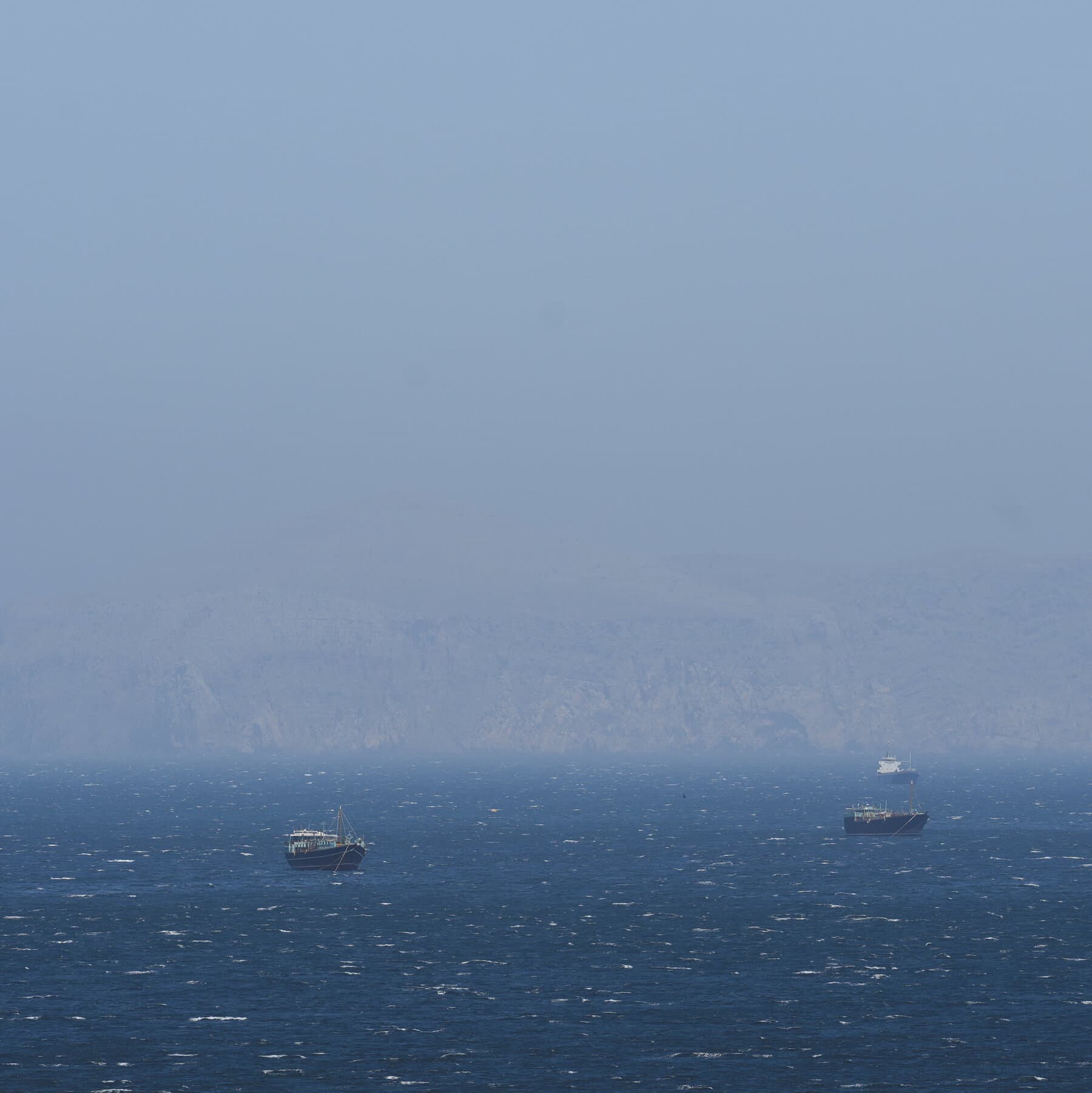
尽管伊朗方面给出了明确的安全承诺,但航运业的实际反应却十分冷淡。目前,通过霍尔木兹海峡的船舶数量并未因停火协议而增加,反而呈现出下降趋势。这种反直觉的现象说明,对于商业航运公司而言,官方的政治声明尚不足以抵消潜在的军事风险。大多数运营商在获得更可靠的安全保证或看到持续的和平迹象之前,不愿让价值数亿美元的资产冒险进入该区域。
Despite explicit security promises from Iran, the practical response from the shipping industry has been tepid. Currently, the volume of ships passing through the Strait of Hormuz has not increased following the ceasefire; instead, it has trended downward. This counterintuitive phenomenon suggests that for commercial shipping firms, official political statements are not yet enough to offset potential military risks. Most operators are unwilling to risk assets worth hundreds of millions of dollars by entering the area until they receive more reliable security assurances or see sustained signs of peace.
- 大多数船只选择在安全区域待命,直到确认航道完全安全。
- 由于协议脆弱,船只对靠近伊朗海岸线表现出极高的警惕。
- 海峡内的船舶流量在协议达成后不升反降。
- Most vessels are staying put until they are certain of safe passage.
- Vessels are wary of passing the coast of Iran given the fragile nature of the agreement.
- The number of ships traveling through the strait has dropped since the announcement.
02停火协议面临的初步考验Initial Tests for the Ceasefire Agreement
美伊之间的这项有条件停火协议在生效不到一天的时间里就面临着严峻考验。霍尔木兹海峡的地位是双方博弈的核心筹码之一,也是协议中最敏感的条款。虽然伊朗提出的两周安全通行期被视为一种善意的姿态,但其“有条件”的性质意味着这种开放随时可能被撤回。这种不确定性使得该协议在外界看来极其脆弱,任何一方的违约行为都可能迅速导致海峡再次封锁。
The conditional ceasefire between the U.S. and Iran is facing severe tests less than a day after taking effect. The status of the Strait of Hormuz is a central bargaining chip and one of the most sensitive components of the deal. While Iran's proposed two-week safe passage window is seen as a gesture of goodwill, its 'conditional' nature means the opening could be rescinded at any time. This uncertainty makes the agreement appear extremely fragile to outsiders, as a breach by either side could quickly lead to a re-closure of the strait.
在美伊有条件停火协议达成不到24小时之际,去升级的希望已经开始面临考验。其中一个关键的症结正是霍尔木兹海峡。
Less than 24 hours into the conditional ceasefire between the U.S. and Iran, hopes of deescalation are already being tested. One of the key sticking points is the Strait of Hormuz.
NPR 报道NPR Report
美伊冲突核心关联方Key Actors in the US-Iran Conflict
展示当前停火协议背景下各主要政治与军事力量的互动关系。
Illustrates the interactions between major political and military forces under the current ceasefire.
03未来两周的关键观察期Critical Two-Week Observation Period
接下来的两周将是观察美伊关系是否真正走向缓和的关键窗口。伊朗承诺的这段安全通行期不仅是对航运业的测试,也是对双方履行停火协议诚意的测试。如果在这段时间内没有发生敌对行动,且航运流量能够逐渐恢复,那么这可能为更长期的外交解决方案奠定基础。反之,如果航运公司继续避开该航道,或者发生任何安全事故,停火协议可能会迅速失效,导致地区局势进一步恶化。
The next two weeks will serve as a critical window to observe whether U.S.-Iran relations are truly moving toward de-escalation. The safe passage period promised by Iran is not only a test for the shipping industry but also a test of both parties' sincerity in upholding the ceasefire. If no hostilities occur during this time and maritime traffic gradually recovers, it could lay the groundwork for a longer-term diplomatic solution. Conversely, if shipping companies continue to avoid the waterway or if any security incidents occur, the ceasefire could rapidly collapse, leading to further regional deterioration.


08多源对比Source Comparison
同一事件下,不同媒体的标题与原文节选往往呈现不同关注点。这里汇总最核心的几条报道,方便快速交叉比对。
Coverage of the same event often emphasizes different angles. This view puts the most relevant reports side by side for quick cross-checking.
What comes next for the Strait of Hormuz Iran says it agreed to two weeks of safe passage for ships traversing the Strai...
未抓取全文,仅显示标题与来源。No full text was available, so only the headline and source are shown.