弗拉维奥·博索纳罗首轮领跑巴西大选 将与卢拉展开决选对决Flavio Bolsonaro Leads Lula in Brazil First Round, Forcing Presidential Runoff
2026年10月5日,巴西总统大选首轮投票结果公布,45岁的右翼联邦参议员弗拉维奥·博索纳罗以约47%的得票率领先现任总统路易斯·伊纳西奥·卢拉·达席尔瓦的45%。由于两位候选人均未取得直接当选所需的绝对多数选票,大选确定进入第二轮,双方将于10月25日展开决选对决。这一开票结果推翻了选前民调关于卢拉领先约3个百分点的预测,弗拉维奥作为正在服刑的前总统雅伊尔·博索纳罗的长子,不仅得益于反劳工党情绪驱动的抗议性投票,还带动了保守派阵营在国会选举中的扩张。随着博索纳罗家族多名成员在参众两院胜选,自由党成为国会两院的最大党派。在生活成本高企、家庭债务繁重以及公共债务占GDP比重超过82%的经济环境下,亲商挑战者的领先推动了巴西股市与货币雷亚尔的上涨,同时也让下阶段国家财政整顿与行政权力格局成为决选的核心焦点。
Right-wing Senator Flavio Bolsonaro has taken the lead over incumbent leftist President Luiz Inacio Lula da Silva in the first round of Brazil's presidential election, securing approximately 47% of the ballots against Lula's 45%. Because neither candidate reached the outright majority required for a first-round victory, the race heads to a decisive runoff scheduled for October 25, 2026. The outcome surpassed pre-election surveys that had forecast a roughly 3-percentage-point lead for Lula, driven by anti-Workers' Party protest voters rallying behind the 45-year-old challenger, the eldest son of imprisoned former president Jair Bolsonaro. The broader vote also established the conservative Liberal Party as the dominant force in both chambers of Congress, bolstered by legislative victories from multiple Bolsonaro family members. As Brazil faces persistent cost-of-living challenges, high household debt, and public debt exceeding 82% of gross domestic product, Bolsonaro's stronger-than-projected showing prompted early gains in the Brazilian real and local equities, setting up a sharp economic and governance contest heading into the final vote.

01首轮计票结果与决选对局确立First-Round Election Results and Runoff Setup
在几乎所有选票统计完毕后,巴西高等选举法院的数据显示弗拉维奥·博索纳罗获得了47%的有效选票,以微弱优势领先获得45%选票的卢拉。由于两位主要候选人的得票率均未达到直接当选所需的50%门槛,双方将于2026年10月25日展开决选对决。其余右翼候选人罗纳尔多·凯亚多与雷南·桑托斯分别获得了2.1%和2.2%的选票。
Official tallies showed Flavio Bolsonaro capturing 47% of the valid votes compared to 45% for incumbent President Luiz Inacio Lula da Silva after nearly all ballots were reported. Because neither candidate crossed the 50% threshold necessary to secure an outright first-round victory, the contest now heads to a definitive runoff scheduled for October 25, 2026. Other right-wing candidates in the field, Ronaldo Caiado and Renan Santos, garnered 2.1% and 2.2% of the vote, respectively.
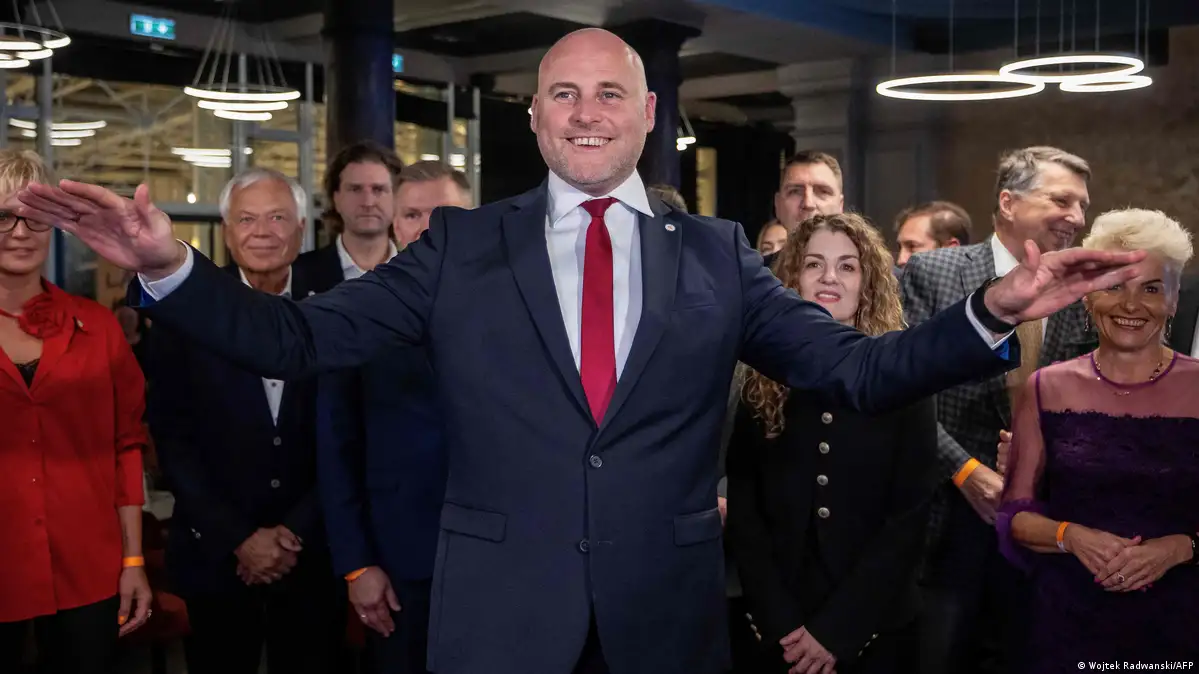
计票结果明朗后,弗拉维奥在巴西利亚向媒体表示,巴西社会渴望改变,并称这一结果预示着劳工党时代的终结。卢拉则在圣保罗对支持者发表讲话,承认自己原本确信能够在首轮直接胜出,并宣布自次日起开启新的竞选活动,向选民展示其执政期间取得的政绩。
Following the tally, Bolsonaro addressed reporters in Brasilia, declaring that Brazil wanted change and heralding the end of the Workers' Party era. Lula spoke to supporters at a hotel in Sao Paulo, acknowledging that he had initially been convinced of a first-round victory before pledging to launch a renewed campaign the following day to emphasize his administration's accomplishments to voters across the country.
02民调偏差与选民抗议性投票动态Polling Discrepancies and Protest Vote Dynamics
选前的各项独立民调此前预计卢拉将在首轮投票中保持约3个百分点的领先优势,但最终计票结果让民调机构的预测落空。伊加拉佩研究所联合创始人罗伯特·穆加指出民意调查机构出现了严重失准,并预计目前显示双方势均力敌的决选民调同样可能低估博索纳罗的实际得票水平。博索纳罗在投票日当天曾公开表示,自己正争取那些原本倾向于其他候选人、但坚决反对卢拉的抗议性选民的支持。
Pre-election surveys conducted prior to the vote had projected Lula holding a lead of approximately 3 percentage points in the first round, a forecast ultimately contradicted by the official tallies. Robert Muggah, co-founder of the Igarape Institute think tank, stated that pollsters missed badly and suggested that runoff surveys showing a dead heat might similarly understate Bolsonaro's true level of support. On election day, Bolsonaro had stated to reporters that he was actively counting on protest votes from citizens who opposed Lula even if they originally favored other contenders.
反劳工党情绪推动了大量中间和保守阵营选票向博索纳罗集中。圣保罗和米纳斯吉拉斯等地的部分选民透露,尽管博索纳罗并非其首选,但为了阻止执政党继续掌权而转投了他。针对决选走向,政治分析人士拉斐尔·法韦蒂评估认为,抗议性投票在首轮推高了博索纳罗的得票率,但也意味着这部分支持已被提前释放,可能会压缩他在第二轮投票中的进一步增长空间。
Anti-Workers' Party sentiment drove an influx of ballots toward Bolsonaro from voters primarily seeking to remove the incumbent administration. Voters in key areas like Sao Paulo indicated they backed Bolsonaro over their initial preferences to block the ruling party. Assessing the dynamics heading into the second round, political analyst Rafael Favetti noted that while this protest vote benefited Bolsonaro in the opening round, his growth potential in the runoff could be constrained because that reservoir of anti-government support had already been front-loaded.
03博索纳罗家族与保守派在国会的全面斩获Bolsonaro Dynasty and Conservative Gains Across Congress
在总统首轮选举同步进行的议会选举中,博索纳罗家族成员赢得了所参选的全部席位。前总统雅伊尔·博索纳罗的妻子米歇尔·博索纳罗在首都巴西利亚联邦区以最高得票当选联邦参议员,次子卡洛斯·博索纳罗在圣卡塔琳娜州当选参议员。在联邦众议院方面,其28岁的幼子雅伊尔·雷南同样在圣卡塔琳娜州获胜,62岁的胞弟雷纳托·博索纳罗则在圣保罗州当选联邦众议员。
Congressional elections held alongside the presidential first round delivered sweeping victories for the Bolsonaro family across every race they contested. Michelle Bolsonaro, the wife of former president Jair Bolsonaro, secured more votes than any other candidate to win a Senate seat representing the Federal District of Brasilia, while his 43-year-old second son, Carlos Bolsonaro, won a Senate seat in Santa Catarina. In the Chamber of Deputies, Bolsonaro's 28-year-old youngest son, Jair Renan, won a seat representing Santa Catarina, and the former president's 62-year-old brother, Renato Bolsonaro, won election as a federal deputy in Sao Paulo.
议会选举结果确立了自由党作为国会参众两院第一大党派的地位,该党在改选的54个参议院席位中赢得19席。这一立法机构格局对未来的政治议程具有直接影响:若弗拉维奥·博索纳罗当选总统,他将依托家族成员和党派在两院的议席力量,推动为其正在服刑的父亲争取特赦的竞选承诺;即便卢拉在第二轮决选中成功连任,面对保守派占据优势的两院,其未来政策推行也将面临严峻阻力。
The results established the conservative Liberal Party as the largest political force across both chambers of Congress, securing 19 of the 54 Senate seats up for renewal. This legislative balance directly shapes the governing landscape: if Flavio Bolsonaro secures the presidency, he can lean on family members and party numbers across both houses to advance his campaign pledge of seeking amnesty for his imprisoned father. Conversely, if Lula wins reelection in the runoff, his administration will face difficult hurdles attempting to push legislation through chambers dominated by conservative lawmakers.
04经济民生困境与金融市场反应Economic Pressures and Financial Market Reaction
大选前夕,巴西选民普遍受到生活成本高涨、高企的家庭债务以及犯罪活动与帮派威胁的困扰。面对经济增速放缓,巴西政府已将今年和明年的经济增长预期分别下调至2.0%和2.3%。虽然巴西的不平等状况和失业率有所下降,但公共支出扩大推动公共债务攀升至国内生产总值的82%以上,使财政问题成为新一任总统必须应对的核心挑战。为了应对民生压力,卢拉政府在选战后期推进了禁止在线赌博、扩大家庭福利以及提出新的债务减免方案,而弗拉维奥·博索纳罗则着重就生活成本与经济复苏展开竞选宣传。
Leading up to the election, Brazilian voters faced mounting pressures from high living costs, heavy household debt loads, and pervasive threats from crime and organized gang activity. At the same time, the Brazilian government lowered its economic growth projections for this year and next to 2.0% and 2.3%, respectively. Although national unemployment and income inequality have declined, expanded state spending pushed public debt beyond 82% of gross domestic product, making fiscal sustainability a central test for the next presidential administration. In response to voter anxiety, Lula moved to ban online gambling, expanded welfare support, and proposed new debt relief programs, while Flavio Bolsonaro campaigned on cost-of-living concerns and revitalizing broader economic expansion.
首轮计票结果出炉后,金融市场对亲商立场的博索纳罗领先作出正面反应,巴西货币雷亚尔汇率与股票市场均出现走强。投资者预计,这位在经济政策上倾向商业群体的挑战者若在决选中胜出,可能会推进不同于现任政府的财政与市场改革方案。
Following the first-round ballot count, financial markets responded positively to the right-wing challenger's lead, with the Brazilian real strengthening alongside gains in domestic equities. Investors viewed Bolsonaro's business-friendly platform as a potential catalyst for different fiscal and private-sector policies heading into the definitive second-round runoff against the incumbent administration.