西班牙高铁严重追尾致近70人遇难 调查直指调度错误指令Deadly Spanish High-Speed Train Crash Kills Nearly 70 as Inquiry Focuses on Dispatch Error
周三上午8点53分左右,西班牙马德里开往塞维利亚的高铁线路上发生严重追尾事故,一列载有397名乘客的西班牙国家铁路Renfe列车在乌尔达附近撞上一列停在轨道上的私营运营商Iryo列车,造成至少68至69人死亡、数十人受伤。官方通报显示,事故发生前该路段LZB自动信号系统因计算机故障宕机,所有列车一度全线停驶;然而马德里调度中心随后下达指令,指示后方的Renfe列车切换至地面侧面信号模式并以正常速度恢复运行,最终导致其撞上前方仍处于停顿状态且载有147人的Iryo列车。西班牙交通大臣奥斯卡·普恩特公开表示,调度中心在前方存在红灯停车信号时发出提速指令属于“无法解释的错误”,媒体披露的调度通话录音也证实了相关指令。随着西班牙政府宣布启动为期三天的全国哀悼,首相佩德罗·桑切斯承诺彻底调查事故责任。由于该线路在不到一年内已连续发生两起涉及相同两家运营公司的致命高铁事故,这一灾难随即在马德里引发抗议活动,也让西班牙高铁网络的安全管理与调度规程面临严厉审视。
At least 68 to 69 people were killed and dozens injured on Wednesday morning when a state-owned Renfe high-speed train carrying 397 passengers slammed into the rear of a stationary train operated by private rail company Iryo near the central town of Urda. Both trains were travelling from Madrid to Seville when a computer failure downed the automatic LZB signalling system at around 8:30 a.m., halting rail traffic along the section. Spanish transport authorities and leaked communications confirmed that operators at the Madrid control centre then instructed the trailing Renfe train to resume normal speed under lateral signalling, even though the Iryo train carrying 147 passengers remained stopped on the track ahead. Transport Minister Óscar Puente described the control centre's order to proceed past an active stop signal as an inexplicable error, clearing the train drivers of fault. Prime Minister Pedro Sánchez declared three days of national mourning and pledged a comprehensive investigation into the disaster. Occurring less than a year after a crash on the same line killed 46 people, the collision triggered protests outside the transport ministry in Madrid and heightened scrutiny over safety management across Spain's rail network.

01高铁追尾灾难发生与伤亡现场处置High-Speed Rail Collision and Emergency Response
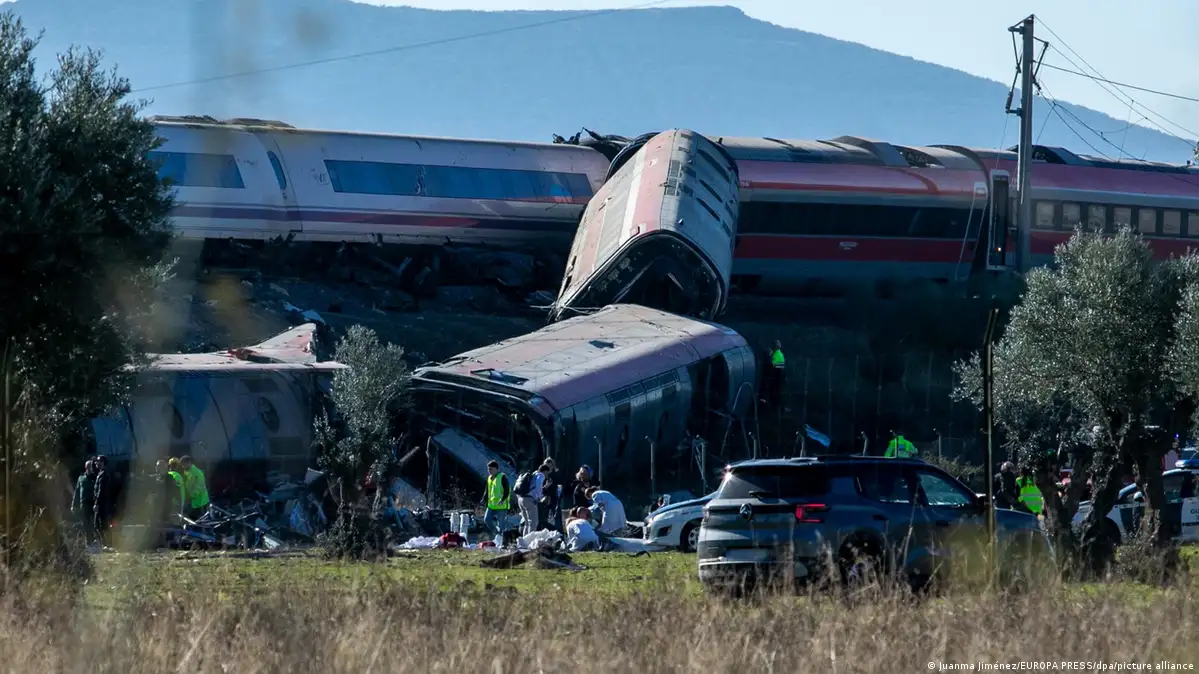
周三上午8点53分,在马德里以南约140公里的卡斯蒂利亚-拉曼恰大区托莱多省境内,一列由西班牙国铁Renfe运营、载有397名乘客的高速列车,在乌尔达与邻近城镇洛斯耶韦内斯之间的抬高路段,追尾撞上一列载有147人的私营Iryo停顿列车。巨大的冲击力导致Iryo列车的两节车厢脱轨并翻下路基,多节车厢发生严重扭曲与侧翻,车轮脱落,残骸散落在橄榄树林环绕的乡村铁道旁。
The disaster occurred at 8:53 a.m. on Wednesday on a raised section of track between Urda and the neighbouring town of Los Yebenes in Toledo province, roughly 140 kilometres south of Madrid. The state-run Renfe high-speed train, travelling with 397 passengers on board toward Seville, ploughed at high speed into the rear of a stationary train operated by private rail provider Iryo carrying 147 people. The violent impact derailed two carriages of the Iryo train, throwing them down a steep rail embankment, while several carriages overturned, lost their wheel assemblies, and left twisted metal wreckage strewn across rural land flanked by olive groves.
事故已确认造成至少68至69人死亡,另有数十人受伤送医。大区政府通报有数十人伤势较重,其中15人生命垂危。大批消防员、民警卫队、急救人员和士兵随即赶赴现场,动用警犬单位以及警用无人机在扭曲的废墟与深沟中搜寻受困幸存者及遇难者遗体。救援行动持续至深夜,现场工程人员调集多台重型起重机切割并吊离受损严重的金属车体碎片,重伤者已被分别转送至托莱多及马德里的多家医院救治。
Authorities confirmed that at least 68 to 69 people died in the collision, with scores more requiring urgent medical treatment, including 15 who were admitted to hospitals in critical condition. Hundreds of emergency workers, firefighters, police officers, and soldiers converged on the crash site. Search and rescue crews deployed canine units and police drones to comb through mangled carriages and the surrounding embankment for survivors and bodies. Operations continued overnight as heavy cranes hoisted shattered railcars and cleared steel debris, while the most severely injured passengers were transferred to regional medical facilities and hospitals in Madrid.
02调度录音曝光与信号系统故障调查Disclosed Audio Recordings and Signalling System Failure
调查部门目前重点排查事故发生前关键的技术故障与调度决策细节。西班牙交通部说明指出,周三早晨8点30分左右,由计算机故障引发的系统紊乱导致线路上的LZB自动信号系统停摆,致使一条长约63公里的铁道区间内至少6列列车被强制就地停车。正常工况下,LZB信号系统能够在前方铁轨被占用时自动触发刹车,但由于该系统失去作用,铁路线路的实时监控指挥完全转由马德里全天候调度中心负责接管。
Investigators are scrutinising the critical technical breakdown and dispatch decisions that preceded Wednesday's fatal impact. Spanish transport authorities explained that a computer malfunction crippled the automatic LZB signalling system at approximately 8:30 a.m., forcing around six trains to halt along an estimated 63-kilometre stretch of track. The LZB system normally applies automatic braking if the track ahead remains occupied, but its failure shifted direct monitoring and traffic control to operators stationed at the 24-hour command centre in Madrid.
西班牙国家电视台与《国家报》披露的数段通话录音显示,就在系统宕机数分钟后,马德里控制中心操作员指示后方的Renfe列车切换到备用模式继续行驶。在地面侧面信号闭塞机制下,调度员要求该车司机按正常速度与常规运行模式开行,司机曾特意向调度中心复诵确认速度要求,调度员则给出明确肯定答复。西班牙交通大臣奥斯卡·普恩特指出,当时前方停滞的Iryo列车仍处于红灯停车信号防护之下,调度人员在存在明确禁行信号的情形下发出恢复常速运行指令,从官方监管视点来看属于无法解释的错误判断,并非列车司机的过失。
Audio recordings broadcast by Spanish media, including RTVE and El País, captured the exchange between the capital's control room and the trailing Renfe train driver just minutes after the automated system failed. A control operator instructed the driver to proceed under the lateral signalling block at normal speed and under normal operation. When the Renfe driver asked for clarification on whether to maintain normal speed, the controller replied in the affirmative. Transport Minister Óscar Puente underscored that the stationary Iryo train was still protected by an active red stop signal, stating that the control centre's instruction to override the restriction and resume full speed was an inexplicable operational error rather than the fault of train drivers.
西班牙高铁追尾事故发展脉络Timeline of the Deadly Spanish High-Speed Train Crash
梳理西班牙一年内两起重大高铁事故及本次托莱多追尾灾难的事态演变。
Tracing the events surrounding Spain's two rail collisions and the inquiry into the Toledo disaster.
2026年1月,西班牙安达卢西亚阿达穆斯附近同一线路上,西班牙国家铁路与Iryo列车相撞,造成46人死亡、数十人受伤。
In January 2026, a collision between Renfe and Iryo trains on the same line near Adamuz killed 46 people and injured dozens.
10月28日上午8时53分,在信号系统故障及调度指令错误后,一列Renfe高铁在乌尔达追尾停运的Iryo列车,两节车厢坠下路堤。
At 8:53 a.m. on October 28, a Renfe high-speed train rear-ended a stationary Iryo train near Urda following a signalling failure and dispatch error.
西班牙媒体曝光显示调度员误令列车全速通行的录音,随后示威者在马德里交通部外抗议并要求交通部长辞职,遭到防暴警察驱散。
Recordings revealed dispatchers mistakenly cleared the train at normal speed, sparking protests outside the Madrid transport ministry demanding the minister's resignation.
西班牙10月29日开始为近70名遇难者举行全国哀悼,搜救与DNA采样工作持续进行,首相桑切斯视察现场并承诺彻底追责。
On October 29, Spain began three days of mourning for nearly 70 victims, as search operations continued and Prime Minister Sánchez vowed a full inquiry.
03幸存者经历与家属寻亲鉴识工作Survivor Accounts and Identification of Victims
在撞击发生后,多名幸存旅客向媒体叙述了列车内部的混乱场面。42岁的帕布罗·梅希亚头部受伤,身着染血的毛衣接受采访时表示,自己在出发前临时更换座位才得以幸免,撞击发生时车厢座椅被直接连根拔起,行李与乘客重重摔落堆叠在一起。秘鲁籍旅客霍西马尔·梅迪纳回忆称,自己原本在车内熟睡,猛烈震动直接将他抛向空中。车上的医生塞巴斯蒂安·埃雷罗则描述,前方多节车厢被挤压成扭曲的金属团,场景如同遭遇爆炸,搜救人员不断从中抬出遇难者遗体并覆盖白布。
Surviving passengers described scenes of terror and disorder inside the carriages following the collision. Pablo Mejia, a 42-year-old passenger who sustained head injuries, told reporters that a last-minute seat change saved his life, recalling violent tremors that tore seats from the floor and left passengers piled beneath fallen luggage. Josimar Medina, a Peruvian tourist, said he was sleeping when the impact threw him into the air, while on-board physician Sebastian Herrero described the front carriages as a mangled mass of metal resembling a bomb explosion, with emergency crews repeatedly carrying out bodies covered in sheets.
事故发生地乌尔达镇的一所学校被改建为紧急接待点,大批家属聚集在此打听亲属下落,红十字会专业心理人员在现场为陷入震惊的亲属提供疏导救助。当地村民自发筹集水、食物和毛毯送往现场救助伤者并协助运送受损人员。与此同时,西班牙民警卫队与法医部门已在马德里、托莱多、科尔多瓦和塞维利亚设立多处样本采集点,加紧收集失联家属的DNA样本以核验遇难者身份。
A local school in Urda was converted into a family reception point where relatives gathered to seek news of loved ones, supported by Red Cross psychologists offering crisis intervention. Nearby residents brought water, food, and blankets to aid the injured and transported those affected away from the rural site. To verify identities and assist tracing, Civil Guard and forensic specialists established DNA collection clinics across Madrid, Toledo, Cordoba, and Seville, taking genetic reference samples from distraught family members.
04全国哀悼、政治追责与抗议风波National Mourning, Political Accountability, and Protests
西班牙自周四起正式进入为期三天的全国哀悼期,悼念在乌尔达列车追尾事故中遇难的至少68至69人。西班牙首相佩德罗·桑切斯亲赴托莱多省事故现场视察,表示官方正在夜以继日地彻查事故原因,并承诺任何疏忽与系统缺陷都会受到彻底追究。桑切斯公开直言,西班牙在同一年内承受两起重大高铁事故不可接受,必须全面加强铁路安全以重建公众对高铁网络的信任。本次事故距今年1月阿达穆斯导致46人遇难的高铁相撞相隔不足十个月,同样波及Renfe与Iryo两家公司,导致公众对基础设施维护状况的担忧迅速升温。
Spain began three days of official national mourning on Thursday to honour the at least 68 to 69 victims killed in the Urda high-speed rail collision. Prime Minister Pedro Sánchez visited the devastated crash site in Toledo province, declaring that authorities were working day and night to uncover every operational detail and pledging that any negligence or system failures would meet a decisive response. Sánchez stressed that it was unacceptable for Spain to suffer two major high-speed train disasters in the same year, insisting that rail safety must be reinforced to restore public confidence. The disaster follows an incident in January near Adamuz that killed 46 people, which also involved Renfe and Iryo trains and heightened scrutiny over network maintenance.
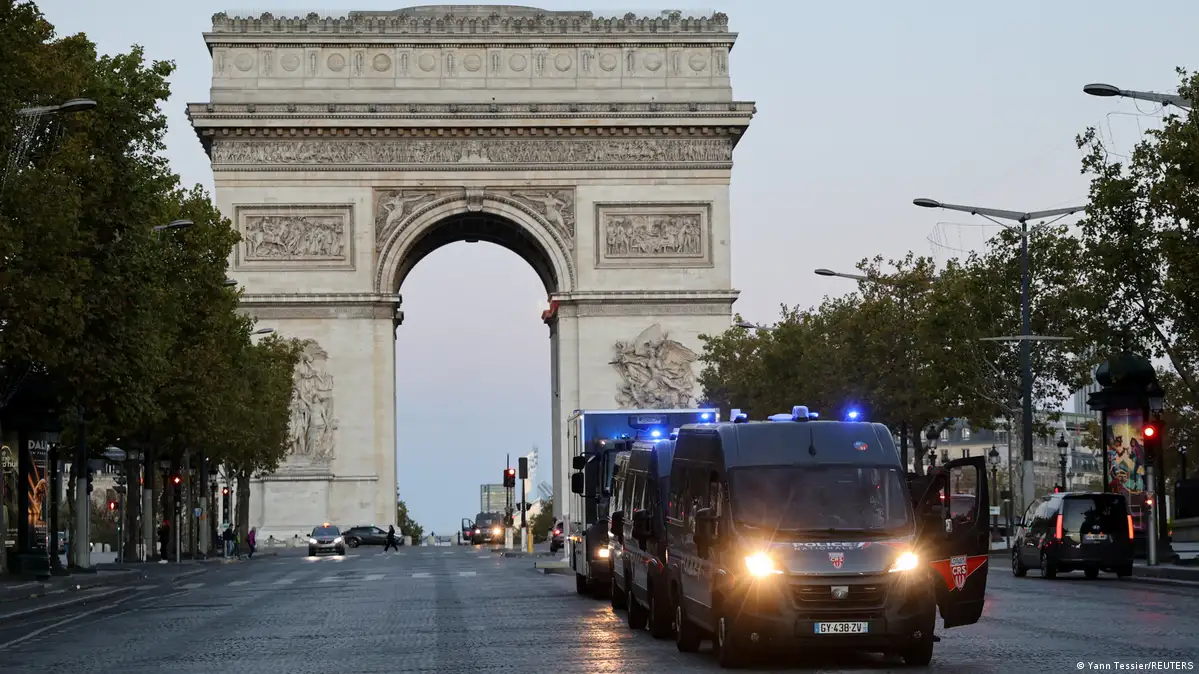
事故发生正值西班牙距离11月29日全国大选仅剩约一个月,政治问责迅速发酵。反对党保守派人民党领袖阿尔贝托·努涅斯·费霍公开要求对全西班牙铁路网实施彻底且独立的审查,并追问政府在阿达穆斯事故后采取了何种具体防范措施。周三当晚,马德里的交通部大楼外爆发抗议活动,极右翼呼声党附属的“团结”工会等团体聚集要求交通大臣奥斯卡·普恩特引咎辞职,示威者向警方防线投掷照明弹及杂物并高呼口号,防暴警察随后动用催泪瓦斯驱散人群。
The disaster arrives four weeks before Spain holds national elections scheduled for 29 November, triggering immediate political fallout. Alberto Núñez Feijóo, leader of the main opposition conservative People's Party, demanded a full independent review across the entire railway infrastructure, questioning what safety measures had followed the earlier Adamuz collision. Late Wednesday, protests erupted outside the transport ministry in Madrid as demonstrators called for the resignation of Transport Minister Óscar Puente. Demonstrators, including members of the Vox-linked Solidarity union, pushed against police cordons and threw flares and objects, prompting riot police to deploy tear gas to disperse the crowd.