中国对数十家美国企业实施双用途出口管制与政府采购禁令China Imposes Export Controls and Procurement Bans on Dozens of US Firms
中国政府于2026年6月22日宣布对数十家美国企业实施新的贸易限制措施。中国商务部将10家与军工相关的美国企业列入出口管制清单,禁止向其出口源自中国的“双用途”物品。受制裁的企业包括稀土开采商MP Materials Corp和USA Rare Earth、无人机制造商Teal Drones和Jaia Robotics,以及Aveox Inc、Ball Aerospace & Technologies Corp和Oshkosh Defense等。同时,中国财政部宣布将46家主要是国防承包商的美国公司排除在中国政府采购项目之外,但与这些公司相关的外资控股、在华本地注册实体可获豁免。中方表示,此举是为了维护国家安全,并应对美国国防部此前将阿里巴巴、百度和比亚迪等中国科技公司列入“1260H”军事公司名单的行为。咨询机构雅礼协会(The Asia Group)分析人士指出,由于受制裁的美国企业在中国几乎没有实质性业务,这些反制措施在很大程度上具有象征意义,而非美中关系的实质性升级。
China announced new trade restrictions on dozens of American companies on June 22, 2026, in response to Washington's recent expansion of its Pentagon blacklist. The Chinese Ministry of Commerce placed 10 U.S. military-related companies on its export control list, blocking exports of Chinese-origin dual-use items to them. The targeted firms include rare earth miners MP Materials Corp and USA Rare Earth, drone makers Teal Drones and Jaia Robotics, alongside Aveox Inc, Ball Aerospace & Technologies Corp, and Oshkosh Defense. In a separate statement, China's Ministry of Finance excluded 46 U.S. companies, mostly defense contractors, from participating in government procurement projects, though foreign-funded, locally registered entities associated with them are exempted. Beijing stated the measures safeguard national security and counter the U.S. government's addition of Chinese tech firms like Alibaba, Baidu, and BYD to the Pentagon's 1260H list. Analysts from advisory firm The Asia Group noted that because most of the targeted U.S. companies have little or no meaningful business exposure in China, the countermeasures are largely symbolic rather than a substantive escalation.

01中国宣布对美实施双用途出口管制China Announces Dual-Use Export Controls on US Firms
中国商务部于2026年6月22日周一宣布,将10家与军工相关的美国企业列入其出口管制清单。根据该项最新制裁措施,中国企业将被禁止向这些受制裁的美国实体出口任何源自中国的“双用途”物品。中国官方明确指出,此类“双用途”物品是指既可用于军事目的、也可用于非军事民用领域的商品与技术。
The Chinese Ministry of Commerce announced on Monday, June 22, 2026, that it has placed 10 military-related American companies on its export control list. Under these new sanctions, Chinese companies are blocked from exporting any Chinese-origin "dual-use" items to the designated U.S. entities. The ministry defined these dual-use goods as items that possess both military and non-military applications.
中国商务部在声明中强调,此次出台的出口禁令是为了维护中国的国家安全。同时,中方表示此举也是为了应对美国政府此前对所谓“中国军事公司清单”的“错误扩张”。根据官方公告,该管制措施旨在对美方的单边限制行为进行对等反制,以保护本国企业的合法权益与国家利益。
According to the Commerce Ministry, the export ban was implemented to safeguard China's national security. Beijing also stated that the restrictions were a direct response to what it characterized as the U.S. government's "wrongful expansion" of its list of Chinese military companies, aiming to counter Washington's recent regulatory actions targeting Chinese firms.
02受制裁美国企业及行业分布Targeted U.S. Companies and Sectors
在本次被中国商务部列入出口管制清单的10家美国企业中,涵盖了稀土开采、无人机制造以及军工电子等关键工业领域的供应商。具体名单包括稀土开采商MP Materials Corp和USA Rare Earth,这两家企业在关键矿产供应链中占有重要地位。此外,无人机制造领域的Teal Drones和Jaia Robotics也名列其中,这些企业的产品通常具有潜在的军事与民用双重用途。
Among the 10 American companies placed on the export control list are key industrial suppliers spanning critical sectors such as rare earth mining, drone manufacturing, and defense electronics. The targeted entities include prominent rare earth miners MP Materials Corp and USA Rare Earth, which play significant roles in the critical minerals supply chain. Additionally, drone manufacturers Teal Drones and Jaia Robotics have been restricted, representing companies whose aerial technologies carry potential dual-use applications.
除上述企业外,制裁名单还包括总部位于加利福尼亚州的电子制造商Aveox Inc、航空航天技术公司Ball Aerospace & Technologies Corp,以及知名的军用装备与车辆供应商奥什科什防务(Oshkosh Defense)。这些被针对的实体多为美国国防工业的重要参与者,或与美国政府在合同采购及其他业务方面有着密切的合作关系。
The sanctions list also targets California-headquartered electronics manufacturer Aveox Inc, aerospace technology firm Ball Aerospace & Technologies Corp, and military equipment provider Oshkosh Defense. Most of these designated companies are active participants in the U.S. defense industry or maintain close ties with the U.S. government through procurement contracts and other strategic business arrangements.
03财政部出台政府采购禁令Finance Ministry Imposes Government Procurement Ban
除了商务部实施的出口限制外,中国财政部于2026年6月22日周一发表了另一份独立声明,宣布了针对美国企业的新一轮采购禁令。根据该声明,中方决定将46家美国公司排除在中国政府采购项目之外。这些被排除在采购范围之外的实体主要由美国国防承包商组成,此举进一步扩大了中国对美国相关行业实体的限制范围。
In addition to the export restrictions imposed by the Commerce Ministry, China's Ministry of Finance released a separate statement on Monday, June 22, 2026, announcing a new procurement ban targeting American enterprises. According to the statement, the ministry has excluded 46 U.S. companies from participating in Chinese government procurement projects. These barred entities consist primarily of American defense contractors, expanding the scope of Beijing's regulatory measures against U.S. industry players.
不过,中国财政部在声明中也明确了豁免条款。任何与这些被排除的美国公司相关联、但在中国境内本地注册且由外资控股的实体,将不受此次政府采购禁令的影响。这一豁免规定为部分在华运营的相关实体保留了参与政府采购的资格,表明了中方在实施采购限制时对本地注册外资实体的政策区别对待。
However, the Ministry of Finance specified a clear exemption within its procurement ban. Any foreign-funded and locally registered entities associated with the 46 excluded American firms are exempted from the restriction. This provision allows these specific associated entities operating within China to maintain their eligibility for government contracts, demonstrating a targeted approach to the procurement exclusions.
04反制美国五角大楼黑名单Retaliation Against Pentagon Blacklist
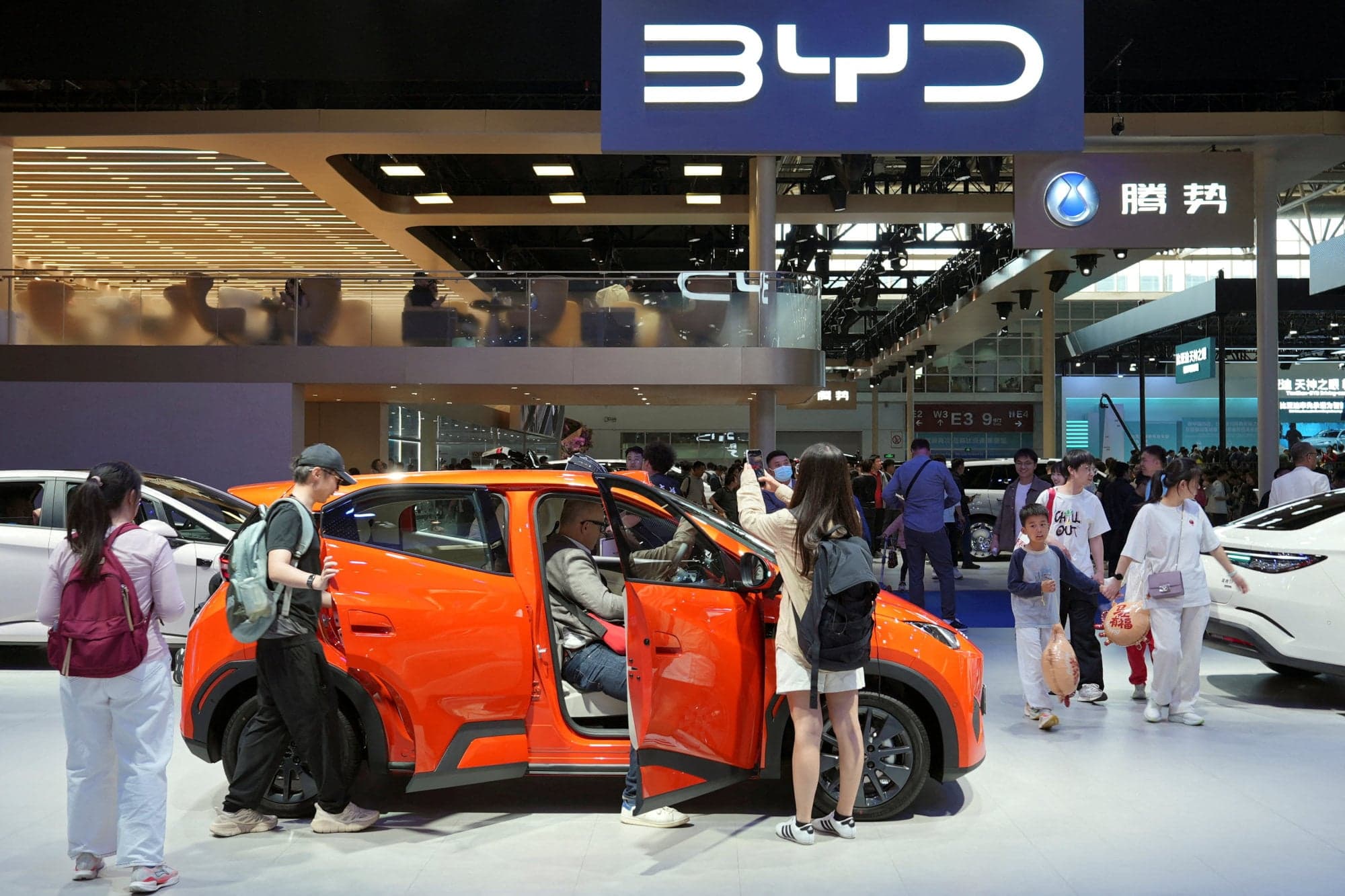
中国官方明确表示,周一宣布的出口管制与采购禁令,是对美国国防部本月早些时候更新其“1260H”中国军事公司名单的直接反制。在美方的最新更新中,美国政府将阿里巴巴集团、百度以及汽车制造商比亚迪等中国领先的科技与工业巨头列入了该黑名单,指控这些企业协助中国军方,并限制其获得美国国防合同。
Beijing has explicitly framed its latest export controls and procurement bans as a direct retaliation against the U.S. Department of Defense's decision earlier this month to update its "1260H" list of Chinese military companies. In its recent update, the Pentagon added several of China's leading technology and industrial giants, including Alibaba Group, Baidu, and electric vehicle manufacturer BYD, accusing them of aiding Beijing's military and barring them from securing U.S. defense contracts.
中方对美方的这一举措表示强烈谴责,并将其定性为对所谓“中国军事公司清单”的“错误扩张”。中国商务部等部门指出,美方这种泛化国家安全概念、无端打压中国企业的单边限制行为,损害了中国企业的合法权益。因此,中方决定采取对等的反制措施,以维护自身的国家安全、主权及核心利益。
Chinese authorities strongly condemned the U.S. action, characterizing it as a "wrongful expansion" of the Pentagon's blacklist. The Ministry of Commerce and other Chinese officials stated that Washington's unilateral regulatory measures directly harm the legitimate rights and interests of Chinese enterprises. Consequently, Beijing determined that these countermeasures were necessary to safeguard its national security and protect its domestic industries against external restrictions.
中美近期贸易与出口管制摩擦演变Recent Evolution of US-China Trade and Export Control Friction
梳理近期美国对华实施关税、黑名单及技术出口管制,导致中国出台反制措施的背景。
Traces the recent sequence of US tariffs, blacklists, and technology export controls that led to China's retaliatory trade measures.
美国贸易代表办公室以未能有效禁止强迫劳动为由,提议对包括中国在内的60个贸易伙伴征收10%至12.5%的额外关税。
The U.S. Trade Representative proposed additional tariffs of 10% to 12.5% on 60 trading partners, including China, over alleged forced labor issues.
美国国防部更新中国军事企业名单,将阿里巴巴、百度和比亚迪重新列入“1260H”黑名单,禁止其获得美国国防合同。
The US Department of Defense updated its list of Chinese military companies, restoring Alibaba, Baidu, and BYD to the blacklist and barring them from US defense contracts.
美国政府发布紧急出口管制指令,旨在限制外国国民访问先进AI技术,导致Anthropic被迫关停其最新的Fable 5与Mythos 5模型。
The US government issued an emergency export control directive to restrict foreign access to advanced AI, forcing Anthropic to disable its latest Fable 5 and Mythos 5 models.
美国国防部 / 阿里巴巴US Department of Defense / Alibaba
展示美国政府机构与受制裁或受管制的中国企业及技术实体之间的直接制裁与监管关系。
Illustrates the direct sanctioning and regulatory relationships between US government bodies and targeted Chinese firms or tech entities.
05分析人士:制裁影响多具象征意义Analysts: Impact of Sanctions is Largely Symbolic
针对中国政府出台的最新反制措施,咨询机构雅礼协会(The Asia Group)的专家进行了深入分析。该机构大中华区合伙人乔治·陈(George Chen)指出,中方此次实施的出口禁令是一个意料之中且对等的反应。他表示,由于受制裁的美国企业大多为国防工业参与者,或者因合同等原因与美国政府保持着密切联系,这些公司本身并不会在中国开展业务,因此该禁令带来的实际影响将非常具有象征意义。
Experts from the advisory firm The Asia Group provided analysis on China's latest countermeasures, characterizing the response as expected and proportionate. George Chen, a partner for Greater China at the firm, noted that most of the sanctioned entities are U.S. defense industry players or maintain close connections with the U.S. government for contracts. Because these companies do not conduct business in China, Chen explained that the practical impact of the export ban will remain highly symbolic.
雅礼协会中国区负责人林汉升(Han Shen Lin)也持相似观点。他分析指出,由于大多数被针对的美国国防和工业供应商在中国几乎没有实质性的业务往来,中方的这些反制措施在很大程度上是象征性的,并不代表美中关系的实质性升级。分析表明,尽管双方在贸易和技术领域的摩擦仍在持续,但此次制裁对相关美国企业的实际商业运营影响有限。
Echoing this view, Han Shen Lin, China country director at The Asia Group, stated that Beijing's countermeasures appear to be largely symbolic rather than representing a substantive escalation in U.S.-China relations. Lin pointed out that the vast majority of the targeted American defense and industrial suppliers have little or no meaningful business exposure in China, meaning the newly announced export controls and procurement bans are unlikely to disrupt their core commercial operations.