中国出入境新规正式生效 强化科技安全审查与出境限制China Enacts Sweeping Entry-Exit Rules Imposing Tech-Linked Travel Bans
中国国务院制定的出入境新规于2026年9月15日正式生效,明确赋予执法部门限制公民出境的法定权力,以维护国家主权、安全以及工业与技术安全。新规对涉嫌违反技术进出口管制(特别是人工智能等重点领域)或在境外从事危害国家安全犯罪行为的公民,设立了自返回中国之日起六个月至三年的出境禁令。除了针对科技人才流动,新规还禁止外国企业在境内开展出入境移民服务,并强制要求中介机构报告公职人员及军人违规申请外国国籍或永久居留权的情况。中国官方辟谣平台对此表示,相关规定并非限制普通公民出行,而是针对涉诈等高风险目的地和异常出行轨迹的预防措施。分析人士与海外机构则指出,这一框架将临时性的出行限制转变为长期法律工具,直接影响关键技术人员跨境流动、离岸财富管理合规以及涉台科技从业人员的往来安全。
Sweeping entry and exit regulations formulated by China's State Council took effect on Tuesday, September 15, 2026, granting authorities explicit legal powers to bar citizens from leaving the country to safeguard national sovereignty, security, and industrial and technological security. Under the new framework, Chinese nationals deemed to have violated technology export controls—specifically in critical sectors such as artificial intelligence—or engaged in security-harming offenses abroad face travel bans ranging from six months to three years upon return. The provisions also restrict cross-border financial and migration intermediaries by prohibiting foreign entities from providing immigration services in mainland China and requiring registered firms to report public-sector employees or military personnel illicitly seeking foreign residency or nationality. Official platform Piyao stated that the measures do not restrict ordinary citizens but serve as preventative steps against high-risk destinations and fraudulent activities. However, legal and industry analysts observe that the rules codify ad hoc travel restrictions into permanent enforcement mechanisms, increasing compliance scrutiny on technological talent, cross-border wealth managers, and cross-strait professionals.
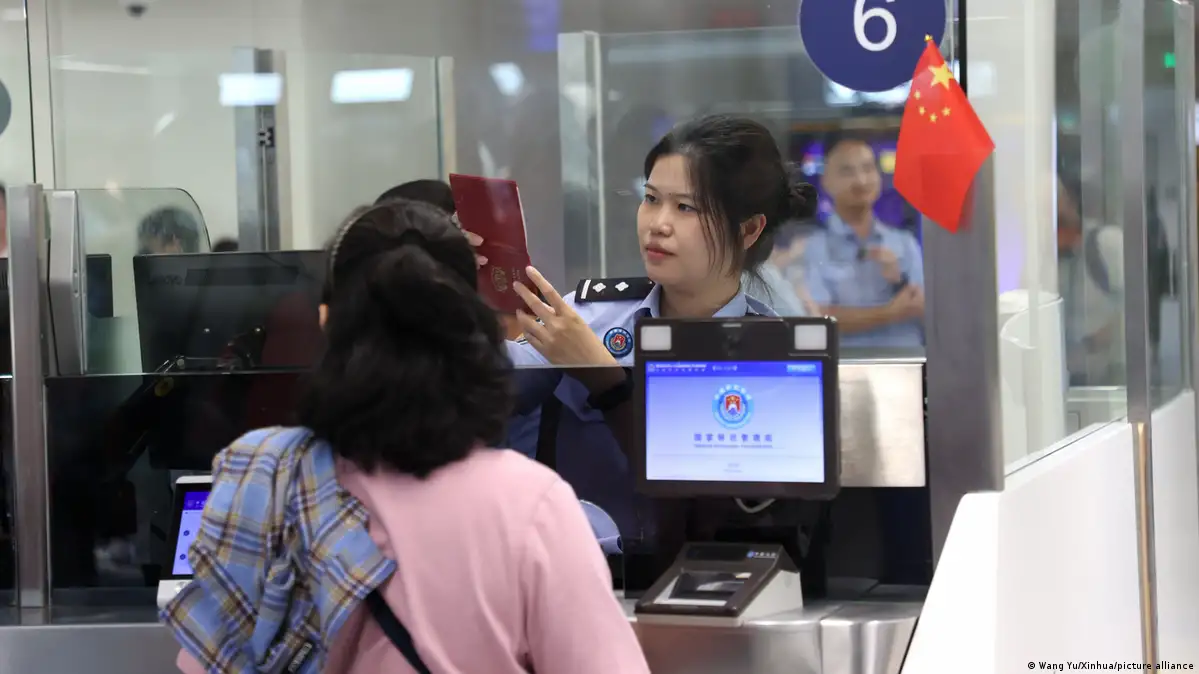
01新规生效与法律授权:确立科技安全出境限制Regulations Take Effect: Legal Grounds for Tech-Linked Exit Bans
这项于2026年7月通过的国务院行政法规在9月15日正式施行,旨在维护国家主权、安全及发展利益。法规明确赋予执法机构在边境直接执行出口管制与反制裁措施的法定权限,将出境审查与技术转移管控直接挂钩。依据该规程,涉嫌违反技术进出口管制条例的人员,尤其是涉及工业安全与技术安全重点领域的公民,将被依法阻止出境。
The administrative regulations passed by the State Council in July came into force on Tuesday, September 15, 2026, aimed at safeguarding national sovereignty, security, and development interests. The measures grant authorities explicit statutory powers to enforce export-control and counter-sanctions regimes directly at border checkpoints, tying exit permissions to technology transfer compliance. Under these rules, Chinese citizens deemed to have violated technology import and export regulations—specifically those threatening national industrial or technological security—can be formally barred from departing the country.
新规同时将管辖范围延伸至境外涉嫌危害国家安全的违法行为。对于在境外从事损害国家安全或利益的中国公民,边境管理部门可依法在其返回中国之日起,实施为期六个月至三年的出境禁令。相关条款确立了系统的出境管制法律依据,使地方部门在执行技术安全及出口合规审查时具备了更明确的行政干预权。
The regulatory framework also extends legal scrutiny to offenses committed outside mainland borders. Chinese nationals deemed to have engaged in criminal acts abroad that harm national security or interests can face mandatory travel bans lasting between six months and three years from the date they return to China. These provisions establish a direct legal basis for exit restrictions, giving local enforcement bodies structured administrative authority to intervene over export-control and technological security concerns.
02重点行业与人才受限:中美科技竞争背景下的审查Tech Sector Scrutiny: Controls Amid U.S.-China Strategic Competition
在中美科技竞争升温的态势下,涉及关键技术的专业人才面临严格的边境审查。北京方面此前已对稀土、电动汽车电池和太阳能电池板等核心技术与零部件的出口实施限制,咨询机构胡同研究的合伙人郭珊表示,出入境新规为执法机构在口岸直接依据出口管制与反制裁框架采取限制措施提供了法定基础,以防范危害国家产业或技术安全的行为。
Against the backdrop of intensifying technological rivalry with the United States, professionals in sensitive industries face rigorous border scrutiny. Chinese authorities have already imposed export restrictions on critical components and resources, including rare earths, electric-vehicle batteries, and solar panels. Guo Shan, a partner at Hutong Research, stated that the entry-exit framework gives authorities direct statutory grounds to enforce export-control and counter-sanctions regimes at border checkpoints to counter perceived risks to industrial and technological security.
半导体与人工智能成为出境管制的重点领域,此前已有相关企业高管遭遇出行限制。例如,已被Meta收购的人工智能初创公司Manus,其联合创始人据报道在2026年3月被限制离开中国。欧亚集团中国区主管王丹指出,出境权利与出口管制直接绑定赋予了当局更多行政工具,地方官员在核查中可能将出口合规问题直接升级为正式的出境禁令。
Artificial intelligence and semiconductor sectors remain focal points of travel scrutiny, following earlier curbs applied to corporate leadership. In March 2026, the co-founders of Manus, an AI firm acquired by Meta, were reportedly barred from leaving mainland China. Dan Wang, China director at Eurasia Group, noted that linking exit permissions to export-control compliance gives enforcement officials added administrative leverage, meaning technical compliance disputes can now result directly in formal exit bans rather than procedural delays.
03资本外流与跨境中介:私人银行与移民机构的合规压力Capital Flight and Intermediaries: Pressure on Wealth and Migration Agencies
出入境新规强化了对跨境资金流动的监管,直接对离岸财富管理行业与移民中介施加压力。法规明确禁止外国企业在中国境内开展出入境移民服务,并要求在境内注册的中介机构,在上报公职人员与军人违规申请外国国籍或境外永久居留权方面承担强制报告义务。欧亚集团的王丹表示,这些限制推高了驻香港和新加坡中介机构处理内地客户移民、教育与房地产申请的运营成本,促使部分机构转而在境内设立实体以满足合规要求。
The regulatory framework imposes direct compliance pressures on offshore wealth management and migration intermediaries in an effort to curb capital flight. Under the new provisions, foreign firms are explicitly prohibited from conducting entry-exit immigration services within mainland China, while registered mainland agencies are mandated to report public-sector employees and military personnel illicitly applying for foreign nationality or overseas permanent residency. Dan Wang, China director at Eurasia Group, noted that the restrictions raise operational costs for Hong Kong- and Singapore-based intermediaries managing migration, education, and real estate filings, prompting several firms to set up onshore entities to remain compliant.
面对边境口岸的核查与税务监管,跨境私人银行从业者的展业模式出现调整。部分服务内地客户的离岸财富管理机构反映,银行从业人员在入境口岸曾被询问访问目的,并被要求在抵境前提交申请。为规避海关抽查对客户敏感财务数据的调取,一些从业者选择通过快递单独邮寄业务文件,或将面向内地客户的海外投资推介会调整包装为珠宝展等其他活动形式以应对审查。
Cross-border private bankers assisting mainland clients have adapted their operations in response to border inquiries and tax scrutiny. Offshore wealth managers report that some bankers have faced questioning at Chinese checkpoints regarding the purpose of their visits and were asked to submit advance applications. To protect sensitive client financial records from customs spot checks, some professionals now courier business documents separately rather than carrying them across the border, while others have disguised overseas investment seminars in Singapore as jewelry exhibitions to reduce scrutiny.
04公职人员管控历史与官方定调:防范外流与电信诈骗Public Sector Context and Official Stance: Anti-Corruption and Anti-Scam Aims
对中国体制内人员出境的严格限制并非始于新规,其护照收缴与审批机制已推行多年。安徽一名基层退休公务员向英国广播公司透露,其单位在2018年左右便要求员工上交护照,虽然他已于去年退休,但证件仍由原单位统一保管;员工因私出境须提交申请并说明事由,其中探亲申请通常比旅游观光更容易获批。北京一家国有金融机构员工亦证实,员工长期需要上缴护照,管理层还口头提醒日本等特定敏感国家属于严禁前往的目的地。根据受访前公务员的说法,此类措施旨在防止贪腐官员外逃或转移资产,高级别官员还涉及防范泄露国家秘密。
Tightened exit scrutiny for public-sector personnel builds on years of passport-surrender policies across state organs. A retired grassroots civil servant in Anhui told the BBC that his workplace required staff to surrender their passports around 2018, and his document remains in the custody of his former employer despite his retirement last year. Employees seeking overseas travel must submit formal requests detailing their reasons, with family visits more likely to gain approval than tourism trips. An employee at a state-owned financial institution in Beijing similarly confirmed that staff have long surrendered passports, adding that managers verbally warned them against visiting designated sensitive destinations such as Japan. The former civil servant noted that these measures are intended to prevent corrupt officials from fleeing or transferring assets abroad, as well as to protect state secrets among senior personnel.
针对外界对出境管制的关注,中国官方辟谣平台发文作出定调。平台表示新规并非限制普通公民正常出行,而是针对高风险目的地以及出行轨迹异常人员的预防性措施。官方声明强调,出入境管理规则的制定主要是为了解决人员受诱骗离境、在境外参与非法赌博或电信诈骗等突出问题,边境管理人员亦被要求对前往高风险国家和地区的公民进行劝阻。
Addressing public scrutiny over the travel restrictions, Chinese official platform Piyao released a statement detailing the policy rationale. The platform stated that the rules do not restrict ordinary citizens from traveling, but serve as preventative steps targeting high-risk destinations and individuals with unusual travel patterns. According to the official statement, the framework aims to counter specific issues such as citizens being deceived into leaving the country or participating in overseas gambling and scam syndicates, with border officials directed to advise travelers against departing for designated high-risk countries and regions.
中国出入境与科技出境限制演变Evolution of China's Entry-Exit and Tech Travel Controls
梳理中国出入境管控从公职人员护照收缴延伸至科技领域并最终立法落地的全过程。
Traces the progression of Chinese exit controls from public-sector passport restrictions to codified tech-security travel bans.
据受访基层退休公务员透露,机关单位约自2018年起要求工作人员上交护照,出国旅行须提前报批,相关管控随后逐步扩大至国企员工与普通公民。
China tightened exit controls around 2018 by requiring grassroots civil servants to surrender passports and seek approval for overseas travel, measures that later expanded across the state sector.
据报道,已被Meta收购的AI初创公司Manus联合创始人被禁止离开中国大陆,显示出在中美竞争背景下当局加紧对半导体与AI核心行业人员的出境审查。
The co-founders of Manus, an AI firm acquired by Meta, were reportedly barred from leaving mainland China amid intensifying government scrutiny of strategic technology sectors.
中国国务院通过出入境管理行政法规,确立防范产业与科技安全风险的法定权限,将此前零散的限制出境措施转化为常态化法律工具。
China's State Council approved entry-exit administrative regulations granting authorities legal power to ban individuals from leaving over technology export and industrial security violations.
中国出入境新规正式生效,针对涉嫌违规转让技术或危害国家安全的人员设立最长三年的出境禁令,并全面强化对跨境移民中介与资本外流的审查。
China's entry-exit rules officially took effect, codifying travel bans of up to three years for tech-security violations and tightening controls on cross-border migration agencies and capital flight.
05各方反应与跨境影响:外国公民与台湾地区从业者的关注External Reactions and Regional Impact: Foreign Nationals and Taiwan Ties
法律学者与国际分析人士对新规的执法透明度与界定范围表达关切。乔治城大学亚洲法中心执行主任托马斯·凯洛格(Tom Kellogg)向英国广播公司表示,不断扩大的旅行限制反映出意识形态管控的强化。新加坡国立大学学者庄嘉颖在接受法新社采访时指出,安全与犯罪活动的定义具有弹性且易于调整,使得官方获得了广泛的自由裁量权。此外,公开信息显示中国公民目前无法自主查询自己是否被列入出境管制名单,除非收到正式书面或口头通知,相关人员往往在申领证件或试图出境时才会获知受限状态。
Legal scholars and international analysts have raised concerns regarding enforcement transparency and statutory ambiguity under the new framework. Professor Tom Kellogg, Executive Director of the Center for Asian Law at Georgetown University, told BBC Chinese that the expanding travel restrictions reflect growing ideological control. Chong Ja Ian, an analyst from the National University of Singapore, told AFP that security and criminal activities can be vaguely defined and easily adjusted, granting authorities a wide administrative remit. Publicly available information also indicates that Chinese citizens currently have no mechanism to check independently whether they are subject to exit controls, generally discovering travel bans only upon applying for documentation or attempting to depart without prior official notification.
新规对外国公民及台湾地区科技人员的跨境活动带来连锁反应。法规规定,外国公民若在签证申请中被发现提供虚假陈述,可能面临长达五年的入境禁令;庄嘉颖提及6月美籍公民Min Zin在云南被拘留的案例,认为出境限制对象的范围可能相当宽泛。与此同时,台北当局提醒前往大陆的民众提高警惕,特别是在两岸间往来的科技从业人员;北京方面则回应称新规为台湾同胞提供了更好的法律保护。新加坡南洋理工大学副教授骆明辉(Dylan Loh)表示,相关限制明确表明中方将采取行动防范敏感安全领域的潜在泄密。
The regulatory measures also carry direct implications for foreign nationals and Taiwanese professionals in the technology sector. Under the rules, foreign nationals found to have submitted false statements on visa applications face potential entry bans of up to five years. Chong cited the case of US citizen Min Zin, who Washington said was improperly detained in Yunnan province in June, noting that the range of people facing exit restrictions could be broad. Meanwhile, authorities in Taipei have advised citizens to exercise caution when visiting the mainland, while Beijing dismissed concerns by stating the measures afford Taiwanese people stronger legal protections. Dylan Loh, an associate professor at Singapore's Nanyang Technological University, observed that the restrictions convey a clear determination to prevent leaks across security-sensitive areas.