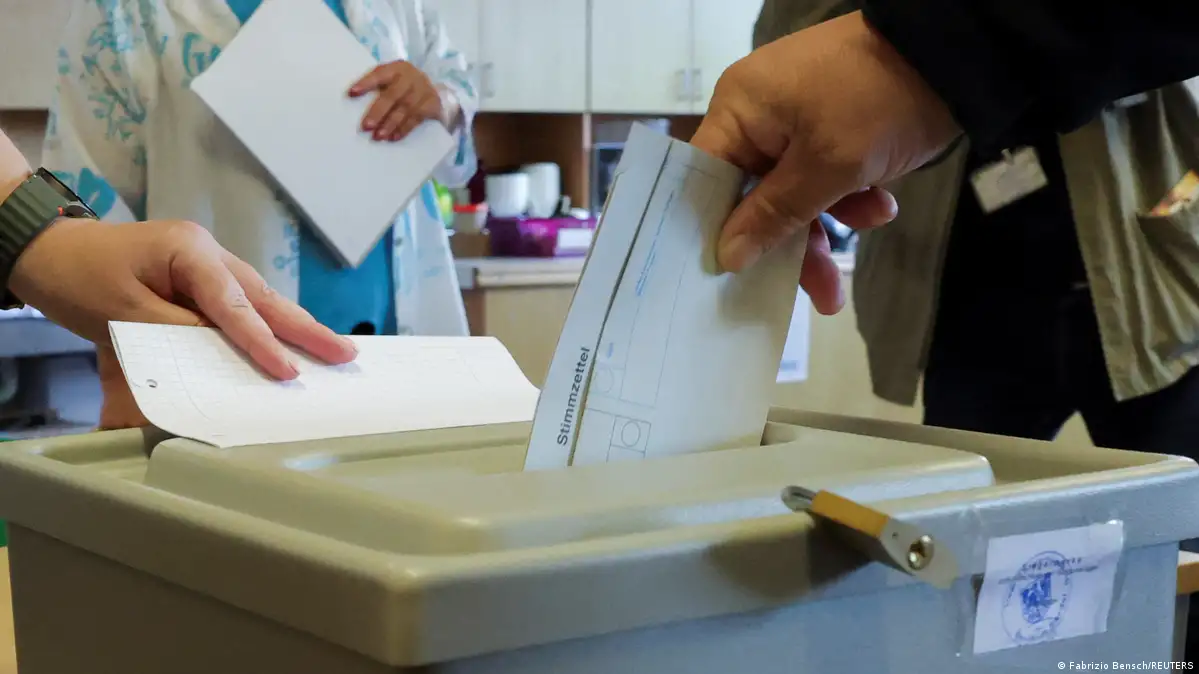
德国约15万人示威抗议极右翼选择党胜选 要求政府启动取缔程序Around 150,000 Protest Far-Right AfD Election Victory Across Germany
2026年9月12日,德国柏林、汉堡和慕尼黑等约20个城市爆发大规模示威,组织方统计约有15万人走上街头,抗议极右翼政党德国选择党(AfD),并呼吁政府启动程序正式取缔该党。此前,德国选择党在9月6日的萨克森-安哈尔特州议会选举中取得突破,获得近44%的选票,预计在州议会83个席位中占据39席,距离单独过半多数仅差3席,而联邦总理弗里德里希·默茨领导的基民盟得票率仅约17%。 这场由倡导取缔选择党的团体Pruef及Campact等公民组织发起的全国性集会,反映出社会各界对极右翼势力可能在二战后首次参与主导德国州政府执政的深切担忧。尽管选择党目前正寻求与其他党派谈判组建州政府,但德国主流政党迄今仍坚持“防火墙”政策,拒绝与其组建执政联盟。与此同时,面对民间日益高涨的取缔诉求,德国法律对取缔政党设定了严格门槛,总理默茨对此类举措也持续表达审慎与怀疑态度。
Around 150,000 demonstrators took to the streets across roughly 20 German cities on September 12, 2026, including Berlin, Hamburg, and Munich, protesting against the far-right Alternative for Germany (AfD) and calling for the party to be formally banned. The mass rallies, organized by civic groups including Pruef and Campact, followed the AfD's decisive victory in the September 6 state election in Saxony-Anhalt, where the anti-immigration party won nearly 44% of the vote. The result projects the AfD to secure 39 of 83 state parliament seats—just three short of an outright majority—well ahead of the roughly 17% won by Chancellor Friedrich Merz's Christian Democratic Union (CDU). The nationwide demonstrations underscore growing concern over the prospect of an extreme-right party taking power in a German state for the first time since World War II. While state AfD leadership has initiated talks with other parties to form a coalition government, Germany's mainstream political factions have maintained their longstanding "firewall" policy refusing to govern with the far right. At the same time, expanding civil society calls for a constitutional ban face high legal hurdles, with Chancellor Merz remaining skeptical of pursuing formal prohibition proceedings.

01全德多地爆发大规模示威 要求取缔德国选择党Mass Nationwide Protests in Germany Demand Ban on Far-Right AfD
在9月12日的全国抗议中,示威者在柏林、汉堡和慕尼黑等城市的街头高举“立即取缔选择党”和“民主不需要‘替代选项’”等标语。公民组织Campact统计,汉堡的集会吸引了约2.5万人参与,慕尼黑约有1.2万人走上街头,柏林警方也报告有数千人加入了首都的示威队伍。抗议者强调走上街头是为了捍卫民主制度,阻止极右翼势力进入政府执政。
During the nationwide protests on September 12, demonstrators across Berlin, Hamburg, Munich, and other cities carried signs reading "Ban the AfD now" and "Democracy needs no alternatives." Civic campaign group Campact reported turnouts of approximately 25,000 people in Hamburg and roughly 12,000 in Munich, while Berlin police confirmed that several thousand joined separate demonstrations across the capital. Protesters stated they were taking to the streets to protect constitutional democracy and prevent the far-right faction from obtaining governmental power.
面对遍及全国的抗议声浪,德国选择党同日在柏林举行了对冲集会。该党在柏林即将举行的地区选举中的领衔候选人克里斯汀·布林克尔出席了现场活动。发起反极右示威的组织Pruef与Campact指出,公民社会的广泛动员旨在形成联合声势,反对该党在地方或联邦层面掌握实际行政权力。
In response to the demonstrations, the AfD staged its own counter-rally in Berlin on the same day. Kristin Brinker, the party's lead candidate for the upcoming regional election in Berlin, attended the counter-event. Civic groups Pruef and Campact emphasized that broad public mobilization was necessary to resist the party's attempts to translate its regional electoral momentum into executive authority.
广大公民社会群体正走上街头,以阻止宪法的敌人……获得政府权力。
A broad cross-section of civil society is taking to the streets to prevent the enemies of the constitution … from gaining government power.
克里斯托夫·鲍茨,公民运动组织Campact负责人Christoph Bautz, head of campaign group Campact
02萨克森-安哈尔特州选举结果冲击政坛Saxony-Anhalt Election Breakthrough Shakes German Politics
在9月6日举行的萨克森-安哈尔特州议会选举中,主打反移民立场与亲俄姿态的德国选择党以近44%的得票率位列第一,预计将在该州83个议席中斩获39席。相比之下,由联邦总理弗里德里希·默茨领导、长期主导德国政坛的中右翼基民盟(CDU)仅获得约17%的选票。尽管选择党离单独过半的绝对多数还差3个席位,但这一差距显著的结果在德国地方政治版图中打破了传统力量格局。
In the September 6 state election in eastern Germany's Saxony-Anhalt, the anti-immigration and Russia-friendly Alternative for Germany (AfD) captured nearly 44% of the vote, projecting it to claim 39 of the 83 parliament seats. By contrast, Chancellor Friedrich Merz's center-right Christian Democratic Union (CDU), which has long played a dominant role across German politics, garnered roughly 17%. Although the AfD fell three seats short of an outright majority, the wide margin of its victory fundamentally altered the balance of political power within the regional legislature.
面对缺少绝对多数的议席格局,选择党萨克森-安哈尔特州领导人乌尔里希·西格蒙德改变了此前单独执政的表态,转向与其他政治团体及议员展开接触,试图建立二战结束以来德国首个由极右翼主导的州政府。然而,德国所有主流政党迄今均维持长期的“防火墙”原则,明确拒绝与选择党联合组阁。历史上,该极右翼政党在德国联邦或州级层面均从未参与过任何执政联盟。
Lacking an absolute majority, AfD state leader Ulrich Siegmund shifted from his earlier goal of governing alone and opened formal talks with other political groups and lawmakers to build a working government, which would mark the first extreme-right state administration in Germany since 1945. However, all mainstream German parties have reaffirmed their longstanding "firewall" policy, consistently ruling out any coalition or governing arrangement with the far right. The AfD has never entered a governing coalition at either the regional or federal level throughout its history.
人民已经极其明确地表明,他们终于希望实现政治变革,而且最重要的是,他们表明希望与我们一起实现这种变革。
The people have made it absolutely clear that they finally want political change and, above all, they have shown that they want it with us.
乌尔里希·西格蒙德,德国选择党萨克森-安哈尔特州领导人Ulrich Siegmund, AfD Saxony-Anhalt state leader
03取缔政党呼声高涨与法律政治现实阻碍Growing Calls for a Party Ban Face Legal and Political Hurdles
德国民间社会与示威团体要求正式取缔德国选择党的呼声持续升温。许多民众认为,鉴于德国的历史教训以及反省纳粹过去的特殊责任,必须坚守防止极右翼势力再次崛起的历史承诺。在此背景下,反极右活动人士呼吁主流政党采取果断行动,运用宪政机制遏制选择党势力的扩张。
Civil society organizations and demonstrator networks across Germany have intensified their calls for mainstream political authorities to pursue a formal constitutional ban against the Alternative for Germany (AfD). The growing push is closely tied to public unease regarding the nation's historical experience, with many citizens emphasizing Germany's specific responsibility to atone for its Nazi past and ensure that far-right extremism does not re-emerge to undermine democratic governance.
然而,在德国现行法律框架下,启动并落实取缔政党程序的司法门槛极为严苛。来自中右翼基民盟的联邦总理弗里德里希·默茨对采取这一极端法律手段始终持怀疑与审慎态度,尚未表现出推动相关程序的意向。尽管各界对极右翼崛起的担忧加剧,取缔诉求在司法要求与政坛博弈中依然面临巨大现实阻碍。
Despite mounting public mobilization, the legal barriers to outlawing an established political party under the German constitution remain exceptionally high. Chancellor Friedrich Merz of the center-right Christian Democratic Union (CDU) has expressed persistent skepticism toward initiating such proceedings. While civic groups continue demanding direct intervention, the intricate constitutional standards and high bar for prohibition create significant political and procedural challenges to implementing a nationwide ban.
04马斯克声援选择党引发国际与本土舆论反弹Elon Musk's Endorsement of the AfD Sparks Global and Domestic Scrutiny
在德国选择党于萨克森-安哈尔特州取得选举胜利后,埃隆·马斯克在社交平台X上发布德语“做得好!”公开向该党领导人阿丽斯·魏德尔致贺,并在随后的十多条推文中声援该党,甚至发帖主张应将该党视为“极中派”,试图淡化外界对其极右翼性质的定性。选择党州领导人乌尔里希·西格蒙德随后对马斯克的支持表示感谢,称赞其为“有远见的人”。此前,马斯克曾在德国媒体撰文支持选择党,并为其领导人主持线上直播。
Following the Alternative for Germany's electoral breakthrough in Saxony-Anhalt, Elon Musk posted "Gut gemacht!" on X to congratulate party leader Alice Weidel, marking one of more than a dozen posts he shared praising the party. Musk also sought to reframe the political identity of the AfD, which had been designated a right-wing extremist group by Germany's domestic intelligence agency, by posting that it should instead be viewed as "far center." In response, AfD regional leader Ulrich Siegmund thanked the tech billionaire for his backing, publicly describing him as a visionary. Musk's engagement followed previous actions supporting the party, including an opinion column in Die Welt and hosting live-streamed broadcasts with Weidel.
然而,研究机构与民意调查显示,马斯克对德国政局的介入在当地引发了广泛抵触。尤戈夫民调显示,仅有19%的德国受访者对马斯克持正面看法,仅13%的人认为他试图影响德国政治的做法可以接受。此外,路透社研究所2026年的调查发现,德国仅约5%的民众通过X获取新闻。研究人员指出,由于许多传统德国民族主义者对美国亿万富翁介入本国政治持保留态度,马斯克的言论影响力主要局限于其平台内部。
Nevertheless, polling data and media research indicate that Musk's interventions face significant public resistance across Germany. A YouGov survey showed that only 19 percent of German respondents viewed Musk favorably, with just 13 percent considering his attempts to influence German domestic politics acceptable. Furthermore, a 2026 Reuters Institute study found that only about 5 percent of Germans rely on X for news. Researchers noted that Musk's online reach remains largely contained within the platform's user base, as traditional German nationalists within the party and the broader public push back against outside interference from an American billionaire.
马斯克的助推在某些层面并不特别见效。党内许多人是传统的德国民族主义者,并不真正赞同一位美国亿万富翁对德国政治指手画脚。
Musk’s boosting, in some quarters, is not particularly helpful. A lot of the party are traditional German nationalists and don’t really approve of an American billionaire weighing in on German politics.
奥利弗·马什,独立研究员、非营利机构“算法观察”前研究员Oliver Marsh, independent researcher formerly at the nonprofit Algorithm Watch